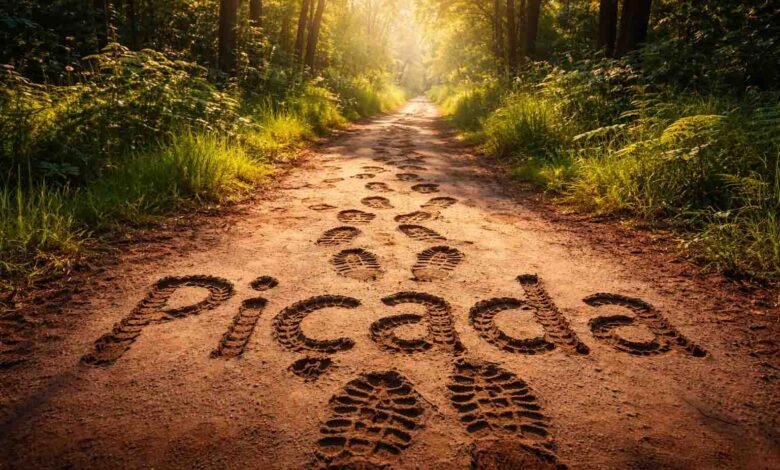
Piçada is a very special word because it carries many meanings in different places. Some people know Piçada as a simple mark on the ground, while others use it as a funny or sharp comment. This makes the word interesting, rich, and full of personality. It is the kind of word that makes you want to learn more because it changes meaning depending on who says it and where they are.
In this article, we will take a deep and easy look at Piçada. We will explore its meaning, where it comes from, how people use it in daily life, and how it became so powerful in language and culture. You will see how one short word can tell many stories and carry many ideas. The goal is to make everything simple so you enjoy reading without feeling confused.
By the end, the meaning of Piçada will feel very clear. You will understand its soft meanings, its strong meanings, and even its modern meanings in humor and slang. So let’s begin this smooth and simple journey and see why Piçada is such an interesting word to learn in 2026.
What is Piçada
Piçada is a word with more than one meaning, and that is what makes it special. In some places, Piçada means a soft mark on the ground made by a foot or animal. It is used a lot in farms, fields, and nature. In other places, the same word is used to describe a joke, a tease, or even a sharp comment that feels like a “burn.”
The meaning of Piçada depends on the place, the tone, and the people. For example, in some parts of Portugal, Piçada can mean a scolding or a firm comment. But in Brazil, Piçada is often used in a fun way, especially when friends joke with each other online or in real life. Because of these many meanings, learners often feel confused, but with clear examples, everything becomes simple.
Many people also use Piçada in stories, songs, and even memes today. It has become a word that can express feelings, reactions, and even humor. This is why Piçada is now seen not just as a word, but as a part of culture. It helps people show emotion in a simple and fast way, which makes it even more popular.
Features of Piçada
1. A Word With Many Meanings
Piçada is a word that can change meaning depending on the situation. Sometimes it is soft, like a simple footprint on the ground. Sometimes it is strong, like a sharp comment or joke that makes everyone react. This flexibility is one of its biggest features.
2. Used in Daily Talk, Rural Talk, and Internet Talk
Piçada works in many places. In farms and rural areas, it is used to describe animal tracks or the marks left on soil. In cities, it can be heard in casual talk or seen online as a funny reaction. On social media, Piçada is used to express humor or sarcasm.
3. Emotional and Cultural Weight
Piçada also carries emotional meaning. In some settings, it can feel playful. In others, it can feel serious or strong. It can show teasing, respect, memory, or even storytelling. This emotional mix makes Piçada a very rich word for speakers.
4. Flexible and Evolving Word
One of the strongest features of Piçada is how easily it changes with time. New generations use it differently. The internet gives it new meanings. And older meanings still stay alive in villages and rural places. Piçada keeps growing with culture and language.
Where the Word Piçada Comes From
Piçada comes from the Portuguese verb pisar, which means “to step on.” This helps explain why one of its meanings is related to a footprint or a mark on the ground. The language changed over time, and the verb became a noun with the ending “-ada,” which shows an action or a result. This is common in Portuguese.
As years passed, people started using Piçada in different ways. It moved from nature to daily talk. It moved from farms to slang. It moved from simple marks to strong jokes. This change shows how language grows with people and culture. Today, Piçada has both old and new meanings, and both are important.
There is also an important spelling point. “Piçada” in Portuguese is different from “Picada” in Spanish or Catalan, even though they look similar. The little mark under the letter “ç” changes the sound and helps speakers understand the correct meaning. This makes spelling a very important part of this word’s identity.
Piçada as a Footstep or Mark on the Ground
One of the oldest meanings of Piçada is a simple footprint. People used this word in farms and villages to describe marks left by shoes, animals, or even tools. For example, after rain, you might see many Piçadas in the mud. These marks show where something or someone walked.
Farmers and hunters often use Piçada to follow animals. They look at the marks on the soil and can guess the direction or the type of animal. This makes Piçada a very useful word in nature. It is not just a language tool but also a practical part of daily life in rural places.
A Piçada can also tell a story in nature. It can show where a person walked. It can show how often a place is used. It can even show how the land changes across time. In this way, Piçada becomes more than a mark. It becomes a memory left on the ground.
Piçada as a Trail or Path
When many Piçadas appear in the same place again and again, they form a trail. This is why Piçada can also mean a small path in forests, hills, or open land. These natural paths are created by people, animals, or even by daily routines. They show where movement happens.
This meaning is popular in villages and farms. People often use Piçada to describe a quiet, narrow path made from many steps over time. It is not a road built by machines. It is a path created by nature and life. Many stories and traditions describe these simple but meaningful trails.
Piçada in this sense feels soft, natural, and connected to land. It helps people understand direction and space. It shows how humans and animals shape their environment without even noticing. This natural meaning is one of the oldest and most beautiful sides of the word.
Piçada as a Scolding or Sharp Comment
In some parts of Portugal, Piçada has a very different meaning. It can also mean a scolding or a firm comment. When someone says, “I got a Piçada,” they mean someone corrected them strongly or gave them a sharp verbal message. It can feel like a quick verbal “sting.”
This meaning is used by parents, teachers, or anyone showing disapproval. Even though the word sounds soft, it carries strong emotional weight in these areas. It shows tension, correction, and sometimes embarrassment. But it is still a common word in casual talk.
Sometimes this meaning mixes with humor. A person may say they received a Piçada in a playful way, especially if the comment was strong but not hurtful. This makes the word flexible, because it can feel serious or light depending on the tone.
Piçada in Brazilian Slang
In Brazil, the word Piçada takes on an exciting new meaning. It becomes a slang word used to describe a joke, roast, or clever comeback. When someone drops a Piçada, it means they said something sharp, funny, or surprising. People laugh, react, and enjoy the moment.
This meaning is very common among young people. Friends use Piçada to tease each other in a fun way. It is also used in schools, comedy shows, and online chats. Sometimes the word can even carry a rude or adult meaning, depending on the context, so tone matters a lot.
Brazilian slang grows fast, and Piçada grows with it. New jokes, memes, and videos give the word fresh meaning all the time. This makes Piçada a living slang word that changes with culture and trends. It is full of fun, energy, and modern style.
Piçada in Brazilian Humor and Memes
Piçada is very popular in Brazilian memes. On TikTok, Twitter, Instagram, and WhatsApp, people use it to show a strong reaction. A funny caption might say, “That reply was a Piçada!” meaning it was a powerful roast or comeback. People use the word with laughing emojis and fire icons to show excitement.
Brazilian comedy shows also use Piçada a lot. Comedians drop Piçadas to make the audience laugh, tease someone, or make a surprising point. These moments feel sharp, funny, and full of personality. Piçada helps them express humor quickly and clearly.
Online culture made Piçada even more famous. Today, it has become a digital expression. It feels fast, modern, and perfect for the internet. People can express a whole reaction using just this one word.
Cultural Power of Piçada
Piçada has become a strong cultural word because it carries local emotions and style. In many places, Piçada shows how people speak, joke, and express themselves. It can show friendship, humor, or even a small warning. This makes the word feel alive and full of meaning. Piçada helps people share feelings quickly without needing long sentences.
In Brazil, Piçada is part of social rhythm. People use it to tease each other in a fun way. It shows connection and shared culture. But in some places, Piçada can feel strong or rude. This shows how culture shapes the word in many different ways. The meaning can change based on age, region, or even the situation. This is why Piçada is both simple and complex at the same time.
Around the world, words like Piçada help people show personality. It is not just a dictionary word. It is part of cultural identity. When someone uses Piçada at the right moment, it shows confidence and timing. It proves that language is more than grammar — it is a reflection of how people live and interact.
Symbolic and Literary Meaning of Piçada
In stories and poems, Piçada is often used in a soft and thoughtful way. Writers use the word to describe marks left behind by life, memory, or experience. A Piçada can show where a person has been or what they have gone through. It gives a simple word a deep and gentle meaning. It becomes a symbol of movement and time.
Some writers use Piçada to talk about emotional paths. For example, they may say that someone left “Piçadas” in another person’s heart or mind. This shows how memories stay with us like small marks on the ground. It is a simple but powerful way to express the idea of lasting influence. Piçada becomes a mirror for human experience.
This symbolic meaning helps readers see the beauty of the word. It makes Piçada feel poetic, soft, and full of life. Even in modern writing, people still use the word to express journey, growth, and change. It reminds us that language carries emotions, not just sounds.
Words Similar to Piçada in Other Languages
Piçada has similar ideas in other languages. For example, in English, words like “roast,” “burn,” or “clapback” carry the same playful energy when used in slang. These words show quick humor or a sharp comment, just like a modern Piçada used in jokes or memes. They help people show reactions with simple words.
In Spanish, the words “vacilón” or “troleo” can feel close to Piçada. They describe teasing or funny moments shared between friends. In Italian, “presa in giro” is used for gentle mocking or playful teasing. In French, “vaner” also carries that sense of mocking in a friendly or fun way. These examples show that people everywhere enjoy sharp humor.
The literal meaning of Piçada as a footprint also has matches. English uses “footprint,” “track,” or “mark.” Spanish uses “huella.” Many languages share this idea because we all understand the picture of a foot leaving a sign on the ground. It shows that Piçada connects with universal ideas — humor, movement, and memory.
How to Use Piçada the Right Way
Using Piçada the right way depends on knowing your audience. With close friends, Piçada can be funny and light. It can make people laugh or react in a playful way. But with strangers or in formal places, using Piçada might feel rude or too strong. So it is important to understand the setting before using the word.
It also helps to keep your tone friendly. A Piçada works best when it is used with warmth or humor. If your goal is to make someone smile, the word will feel fun. But if your tone sounds angry or harsh, the same Piçada may hurt feelings. That is why the same word can feel different depending on how you say it.
For language learners, it is safer to listen first. Notice how people use Piçada in real conversations, videos, or memes. With time, you will understand when it sounds fun and when it sounds too sharp. Once you feel confident, you can use Piçada in your own sentences. It adds color and life to everyday talk.
Why Piçada Matters for Language Learners
Piçada is helpful for learners because it teaches how one word can have many meanings. This is common in real-life Portuguese. When you learn Piçada, you learn not just a word but a lesson about how language works. It shows how meaning changes with place, tone, and culture. This helps you grow as a confident speaker.
Understanding Piçada also helps you enjoy conversations more. You will hear it in jokes, in internet posts, and even in stories. When you know what it means, you can enjoy the humor and connect with people more easily. It makes Portuguese feel warmer and more familiar.
Piçada also shows how important context is. A single word can mean footprint, roast, comment, path, or joke. Learning Piçada trains your mind to look at the situation, not just the dictionary. This skill will help you understand other complex words too. It is a simple step that makes learning more natural.
Piçada in Today’s World
Today, Piçada is used more than ever. You can find it in online memes, short videos, and funny comments. Young people use it to express reactions in a simple and quick way. A single Piçada can show excitement, shock, or humor. It fits perfectly with the fast style of digital life.
In rural places, Piçada still keeps its old meaning. People use it to describe footprints, marks, or natural trails. This shows that the word holds both past and present at the same time. It is part of nature language and internet language together. Very few words can do this so well.
Piçada will continue to grow because people keep finding new ways to use it. Language never stops changing. Each new trend gives the word a fresh meaning. This makes Piçada a strong example of how modern culture and old traditions can blend in a beautiful way.
Pros and Cons of Piçada
Pros
-
Easy to use in fun or casual talk
-
Has many rich and interesting meanings
-
Works well in jokes and memes
-
Connects culture, humor, and everyday speech
-
Helps learners understand real slang and rural words
Cons
-
Can sound rude in some settings
-
Needs careful tone to avoid hurting feelings
-
Not good for formal or professional talk
-
Has different meanings in different regions
-
Can confuse new learners if context is unclear
Final Thoughts
Piçada is a small word with a big story. It can mean a footprint, a natural trail, a sharp comment, or a modern joke. It lives in nature, in culture, in humor, and even in digital life. This is why Piçada is so special and so fun to learn.
When you understand Piçada, you understand more than a word. You understand how people joke, how they talk, how they move through land, and how they express feelings. It is a perfect example of how language grows with people and time. And that is the beauty of learning new words.
FAQs
Why does Piçada have so many meanings?
Piçada comes from everyday life, nature, slang, and humor. People in different regions use it in different ways, so the word slowly gained many meanings.
Is Piçada used in daily conversation?
Yes. In rural areas, Piçada is used for footprints or trails. In cities and online, Piçada is used for jokes, teasing, or funny comments.
What does Piçada mean in Brazilian slang?
In Brazil, Piçada often means a roast, a burn, or a clever joke. It is used when someone gives a sharp or funny reply.
Can Piçada be offensive?
Yes, sometimes. Depending on the tone, Piçada can sound rude, bold, or even vulgar. It is safer to use it with friends who understand your humor.
What does Piçada mean in Portugal?
In Portugal, Piçada can mean a scolding or a strong comment. It is often used when someone is corrected firmly or spoken to sharply.
People Also Read:
Discover Onnilaina: A Fresh Term With a Big Digital Future
The Smoothiepussit Guide: Easy Packs for Fast, Fresh, Healthy Drinks