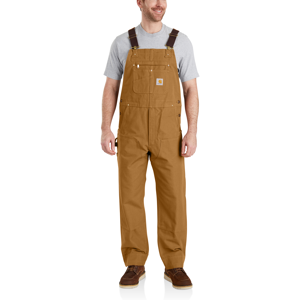
A quality pair of coveralls isn’t a small purchase, and with the right care it can last many seasons. Plenty of good workwear wears out early because of rough washing, ignored repairs, or poor storage. The good news is that none of the habits that extend their life take much time. These steps will help protect your investment and keep your coveralls performing the way they should.
Step 1: Read the Care Label
Coveralls are made from a wide range of materials, and what works for cotton duck canvas may damage flame-resistant fabric or insulated linings. Flame-resistant coveralls often have specific washing instructions, and the wrong products can reduce their protection. If the label has faded, look up the manufacturer’s care guidelines online before your first wash.
Step 2: Clean Between Washes
Washing too often breaks down fibers and flattens insulation, but letting grime sit lets dirt and grease work deep into the fabric. Brush off dry mud after each use, spot clean stains as they happen, and save full washes for when the coveralls are noticeably dirty or start to smell. Letting caked mud dry and brushing it off with a stiff brush removes most of it without water. Hanging coveralls to air out overnight instead of leaving them in a heap on the floor also helps prevent odors.
Step 3: Wash the Right Way
Turn the coveralls inside out and close every zipper and snap to protect the outer fabric and keep zippers from snagging. Use cold or warm water rather than hot, which can shrink cotton. A heavy-duty detergent made for work clothes cuts grease and oil, and pre-treating heavy stains with a degreaser or dish soap helps. Skip fabric softener and bleach. Softener coats fibers and can reduce breathability or flame resistance, and bleach weakens fabric over time. If your coveralls are very muddy, a quick rinse cycle before the main wash keeps grit from grinding into the fibers.
Step 4: Dry Gently
High heat shrinks canvas, damages insulation, and wears out elastic. Air drying is gentlest, and hanging by the shoulders helps coveralls keep their shape. If you use a dryer, choose low heat and pull them out slightly damp. A few clean tennis balls in the dryer help fluff insulated fill and prevent clumping. Make sure insulated coveralls are fully dry inside before wearing or storing them, since damp fill loses warmth.
Step 5: Fix Small Problems Early
A loose seam, worn knee, or broken snap is easy to fix early but can become a large tear if ignored. Keep a sewing kit with heavy-duty thread on hand, and use iron-on or sew-on patches for worn knees and elbows. A tailor or shoe repair shop can usually fix a broken zipper for far less than new coveralls cost. Running a bar of wax or a zipper lubricant along stiff zippers keeps them from failing or sticking in cold weather.
Step 6: Restore Water Resistance
The factory water-resistant finish on canvas wears off over time. A fabric wax or spray-on repellent helps the material shed rain and snow again. Test on a small area first and follow the product directions. Reapplying once a season is usually enough for most work, though coveralls that see daily rain or snow may need it more often.
Step 7: Store Them Properly
Before the off-season, make sure coveralls are completely clean and dry, since stored dirt and moisture lead to mildew and odors. Hang them in a cool, dry place instead of folding them into a bin, which crushes insulation, and keep them out of direct sunlight and away from rodents. A breathable garment bag keeps dust off without trapping moisture.
When It’s Time to Replace Them
Even with excellent care, coveralls eventually wear out. Watch for:
- Thinning fabric that no longer blocks wind
- Flattened insulation that has lost its warmth
- Repeated tears in high-stress areas
- Zippers or closures that fail even after repair
When you reach that point, choosing a durable replacement from a solid selection of coveralls for men and following these steps from day one will help the new pair last just as long, if not longer.