General practice connects patients with a wide range of NHS care, from first assessment and prescriptions to monitoring, referrals and preventative health. The service works best when patients know which route to use, what information to provide and when a problem belongs with urgent or emergency care instead.
Understand the Need First
A local surgery should make registration and access straightforward. Patients need clear information about catchment areas, contact methods, opening hours and how appointment requests are handled.
GP surgery West Sussex can support routine healthcare more effectively when patients understand the practice system before a problem arises. Knowing how to request help, submit administrative forms and access prescriptions reduces delays and confusion.
Know What Good Service Looks Like
Appointment systems increasingly use triage to direct patients to the right professional. This can mean a GP, nurse, pharmacist or another member of the wider primary-care team depending on the issue.
Triage is not simply a barrier to appointments. When used well, it helps prioritise urgent problems and prevents patients from waiting for a GP when another clinician can manage the issue safely.
Plan Around Practical Constraints
Long-term conditions often require regular monitoring rather than one-off visits. Diabetes, asthma, blood pressure and other ongoing health needs can involve planned reviews, blood tests and medication checks.
Patients should attend monitoring when invited because regular review can identify changes before symptoms become obvious. It also allows medicines and care plans to be adjusted when needed.
Use Evidence to Guide Decisions
Repeat prescriptions should be requested with enough notice. Understanding the practice’s normal processing time reduces the risk of running out of medication and helps staff manage requests safely.
When a new medicine causes side effects or does not seem effective, patients should seek appropriate advice rather than changing prescribed treatment without discussion.
Reduce Avoidable Problems
Preventative healthcare is an important part of general practice. Vaccinations, screening support and health checks can reduce risk or identify problems earlier.
Patients can also help by keeping records current. Address, telephone, email and pharmacy details should be updated after changes so important messages and prescriptions go to the right place.
Keep Communication Clear
If specialist care is needed, the GP can assess the problem and make or guide a referral. The quality of that referral improves when the history, examination and relevant tests are clearly documented.
Online services can save time for routine tasks, but not every health concern is suitable for an online form. Patients should use urgent routes when symptoms are severe or rapidly worsening.
Review the Outcome
Understanding out-of-hours options prevents avoidable delay. NHS 111 can advise on urgent problems outside practice hours, while emergencies such as severe breathing difficulty or suspected major medical events require immediate emergency care.
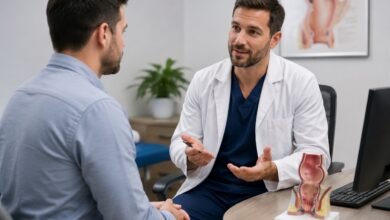
Good consultations are collaborative. Patients should describe the main concern clearly, mention important changes and ask what to do if symptoms do not improve.
Choose Support That Fits
Practice teams also benefit when patients use the correct administrative route for letters, forms and non-clinical requests instead of booking clinical appointments unnecessarily.
Saxonbrook Medical Centre serves patients through local general-practice services, and current practice information should be checked directly when patients need details about registration, appointments or service availability. A careful, well-documented approach also makes future decisions easier because the people involved can see what happened, what was considered and what should happen next. A careful, well-documented approach also makes future decisions easier because the people involved can see what happened, what was considered and what should happen next. A careful, well-documented approach also makes future decisions easier because the people involved can see what happened, what was considered and what should happen next. A careful, well-documented approach also makes future decisions easier because the people involved can see what happened, what was considered and what should happen next. A careful, well-documented approach also makes future decisions easier because the people involved can see what happened, what was considered and what should happen next. A careful, well-documented approach also makes future decisions easier because the people involved can see what happened, what was considered and what should happen next. A careful, well-documented approach also makes future decisions easier because the people involved can see what happened, what was considered and what should happen next. A careful, well-documented approach also makes future decisions easier because the people involved can see what happened, what was considered and what should happen next. A careful, well-documented approach also makes future decisions easier because the people involved can see what happened, what was considered and what should happen next. A careful, well-documented approach also makes future decisions easier because the people involved can see what happened, what was considered and what should happen next. A careful, well-documented approach also makes future decisions easier because the people involved can see what happened, what was considered and what should happen next. A careful, well-documented approach also makes future decisions easier because the people involved can see what happened, what was considered and what should happen next. A careful, well-documented approach also makes future decisions easier because the people involved can see what happened, what was considered and what should happen next. A careful, well-documented approach also makes future decisions easier because the people involved can see what happened, what was considered and what should happen next. A careful, well-documented approach also makes future decisions easier because the people involved can see what happened, what was considered and what should happen next. A careful, well-documented approach also makes future decisions easier because the people involved can see what happened, what was considered and what should happen next. A careful, well-documented approach also makes future decisions easier because the people involved can see what happened, what was considered and what should happen next. A careful, well-documented approach also makes future decisions easier because the people involved can see what happened, what was considered and what should happen next. A careful, well-documented approach also makes future decisions easier because the people involved can see what happened, what was considered and what should happen next. A careful, well-documented approach also makes future decisions easier because the people involved can see what happened, what was considered and what should happen next.
Local general practice works best when patients understand routine, urgent and emergency routes and keep their information up to date. That helps the practice team direct care efficiently and supports better continuity over time.