BPC-157 has become one of the most searched-for research peptides in the UK. Interest has grown quickly, and so has the number of websites selling it. For anyone sourcing peptide material for laboratory work, that creates a problem: two vials with the same label can contain very different things.
This article looks at what BPC-157 is, why it attracts so much research interest, and the practical checks that separate a reliable supplier from a risky one.
What is BPC-157?
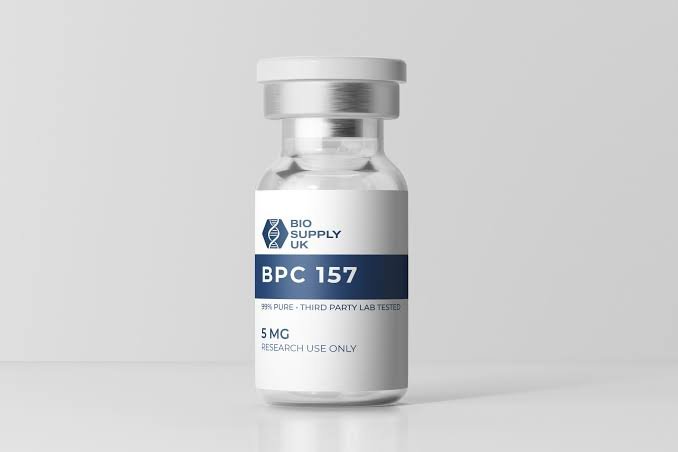
BPC-157 is a synthetic peptide made of 15 amino acids. Its sequence is based on a fragment of a protein found in gastric juice, which is where the name “Body Protection Compound” comes from. It is supplied to laboratories as a freeze-dried (lyophilised) powder that is reconstituted before use.
Most published research on BPC-157 is pre-clinical, meaning cell studies and animal models. Researchers have looked at it in models of tendon, ligament and gut tissue repair, and at its relationship with blood-vessel formation and nitric-oxide signalling. A good overview of that research is the BPC-157 UK research guide, which also covers the UK regulatory position.
It is important to be clear that BPC-157 is not a licensed medicine in the UK. It is sold for laboratory research only.
Why quality varies so much
Peptides are made by solid-phase synthesis, and small errors in that process can leave truncated sequences, impurities or simply less peptide than the label claims. Without independent testing, a buyer has no way of knowing.
Five checks before you order
- An independent certificate of analysis (COA). The test should come from a third-party lab such as Janoshik, not the manufacturer.
- A COA you can verify. Good suppliers link to the result on the testing lab’s own website.
- A batch number that matches. The certificate should relate to the batch you are actually sent.
- Purity of 98% or more by HPLC, with mass spectrometry confirming the peptide’s identity.
- A UK company you can contact, with UK stock, clear research-use labelling and a registered company number.
Price per mg, not price per vial
Vial sizes differ, so the fairest comparison is price per milligram. A cheap vial can work out expensive if it holds less peptide, or if the purity is lower than stated. Established UK suppliers such as Revial Labs list research-grade BPC-157 10mg vials with batch testing published, which makes like-for-like comparison easier.
Handling once it arrives
Lyophilised BPC-157 should be kept refrigerated at 2–8°C and away from light. Once reconstituted with bacteriostatic water, the solution should stay refrigerated and should not be repeatedly frozen and thawed.
The bottom line
BPC-157’s popularity means there is no shortage of sellers. For research that depends on knowing what is in the vial, the checks above matter far more than the price on the label. An independent, verifiable certificate of analysis remains the single most useful thing a buyer can ask for.
Note: BPC-157 is supplied for laboratory research use only. It is not for human or veterinary use, and this article does not make therapeutic claims.