Understanding Modern ADU Development and Its Growing Importance in Residential Spaces

Introduction to Accessory Dwelling Units
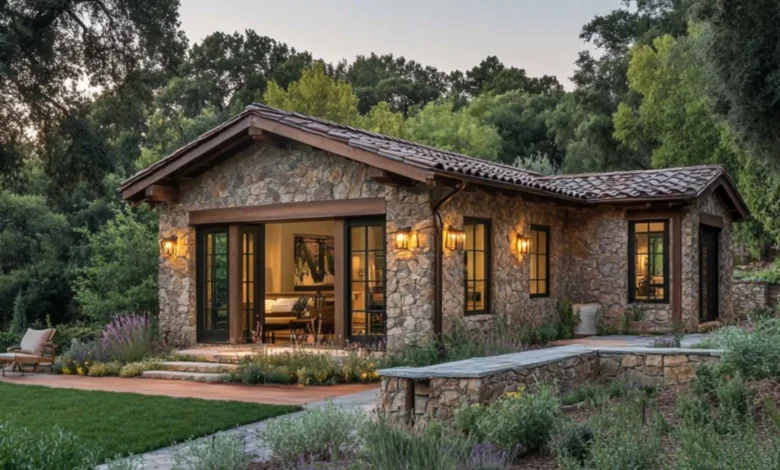
Accessory dwelling units have become one of the most practical and innovative solutions in modern housing design, offering homeowners flexible living options, increased property value, and efficient use of space. As urban living continues to evolve and housing demands increase, many property owners are exploring alternative ways to expand their living areas without undertaking large-scale construction projects. Among these solutions, adu construction has emerged as a highly effective approach that balances affordability, functionality, and long-term investment value.
What Are Accessory Dwelling Units
The concept of accessory dwelling units is not entirely new, but its application has significantly expanded in recent years due to changing lifestyle needs. Families today often require additional space for aging parents, adult children, guests, or even rental opportunities. Instead of relocating or purchasing new properties, homeowners are turning to secondary housing units built on their existing land. These structures are typically smaller than the main home but are designed with complete living facilities, including kitchens, bathrooms, sleeping areas, and living spaces.
Flexibility in Modern Home Design
One of the most appealing aspects of accessory dwelling units is their versatility. They can be attached to the main house, built as extensions, or designed as standalone structures in the backyard. This flexibility allows homeowners to customize their living environment based on their specific needs and available space. In many cases, adu construction is chosen not only for its practicality but also for its ability to enhance property usability without altering the primary structure significantly.
Financial Benefits and Investment Value
Another important advantage is financial efficiency. Traditional home expansion or relocation can be extremely costly and time-consuming. In contrast, building an accessory dwelling unit is often more affordable and provides a quicker return on investment. Homeowners can generate rental income by leasing out the unit or use it as a long-term housing solution for family members, reducing external housing expenses. This dual benefit makes adu construction a smart financial decision for many property owners looking to maximize the value of their land.
Changing Lifestyles and Work Trends
The growing popularity of these units is also influenced by changing work and lifestyle patterns. Remote work has become more common, increasing the need for dedicated home office spaces. Many individuals are now converting accessory dwelling units into private offices or creative studios. This separation between living and working environments helps improve productivity and maintain a healthier work-life balance. In this context, adu construction provides an ideal solution for those seeking functional yet separate spaces within their property.
Design Flexibility and Architecture Options
Design flexibility plays a crucial role in the appeal of accessory dwelling units. Modern architectural approaches allow these units to blend seamlessly with the main house or stand out as unique, independent structures. Homeowners can choose from a variety of designs, including contemporary minimalist layouts, traditional styles, or eco-friendly constructions. Sustainable materials and energy-efficient systems are also commonly integrated into these projects, making them environmentally responsible choices. The adaptability of adu construction ensures that each project can be tailored to meet both aesthetic preferences and functional requirements.
Property Value Enhancement
Another significant benefit is the increase in property value. Real estate markets often view homes with accessory dwelling units as more desirable due to their additional living space and income-generating potential. This added value can make a substantial difference when selling a property in the future. Buyers are increasingly interested in homes that offer multi-functional spaces, and the presence of a well-designed secondary unit can significantly enhance market appeal. As a result, adu construction is not just a short-term improvement but a long-term investment strategy.
Construction Methods and Modern Techniques
The construction process itself has also become more streamlined over time. With advancements in building technology, modular construction methods and prefabricated components have made it easier to complete projects efficiently. These modern techniques reduce construction time, minimize waste, and often lower overall costs. Homeowners can work with architects and builders to design units that meet local regulations while still reflecting personal preferences and lifestyle needs. The efficiency of adu construction has made it a practical choice even for those with limited construction experience.
Privacy and Multi-Generational Living
Privacy is another factor that makes accessory dwelling units highly attractive. In multi-generational households, maintaining personal space is essential for harmony and comfort. These units allow family members to live close to each other while still enjoying independence. Elderly parents can live nearby while maintaining their autonomy, and young adults can transition into independent living without leaving the family property entirely. This balance of proximity and privacy is one of the strongest arguments in favor of adu construction.
Commercial and Creative Uses
In addition to residential use, these units can serve commercial or semi-commercial purposes in some cases. Artists, freelancers, and entrepreneurs often use them as studios, workshops, or small business spaces. This multifunctional nature adds another layer of value, as the unit can evolve with the owner’s changing needs over time. The adaptability of these structures ensures that they remain useful for decades, making them a sustainable long-term asset.
Environmental Advantages
Environmental considerations also play a role in the increasing demand for accessory dwelling units. Smaller living spaces generally consume less energy for heating, cooling, and maintenance. When combined with energy-efficient appliances and sustainable building materials, these units contribute to reduced environmental impact. Many homeowners view adult construction as part of a broader commitment to sustainable living and responsible resource usage.
Planning and Preparation
Despite the many advantages, careful planning is essential before starting any construction project. Factors such as space availability, budget, design preferences, and long-term usage goals must be considered. Consulting with experienced professionals ensures that the project meets safety standards and complies with local building codes. Proper planning also helps avoid unnecessary delays and cost overruns, ensuring a smooth and efficient building process.
Financing Options and Accessibility
Financing options for accessory dwelling units have also expanded in recent years. Many financial institutions now offer loans specifically designed for small-scale residential construction projects. This increased accessibility has encouraged more homeowners to explore the benefits of adding secondary units to their properties. With proper financial planning, adu construction becomes an achievable goal for a wide range of property owners, not just those with significant capital.
The Future of Housing Development
As housing demands continue to grow and urban spaces become more limited, the importance of efficient land use will only increase. Accessory dwelling units represent a forward-thinking solution that addresses multiple challenges at once, including affordability, space limitations, and housing shortages. They offer a practical way to adapt existing properties to modern needs without requiring major relocation or redevelopment.
Conclusion
In conclusion, accessory dwelling units have transformed the way people think about residential space and property development. Their flexibility, affordability, and long-term value make them a compelling option for homeowners seeking to maximize their property’s potential. Whether used for family accommodation, rental income, or personal workspace, these units offer a wide range of benefits that align with modern living requirements. The continued growth of adu construction reflects a broader shift toward smarter, more adaptable housing solutions that prioritize both functionality and sustainability.