Not long ago, skincare and aesthetic treatments existed in separate worlds. Skincare meant cleansers and creams bought from a shop. Aesthetic treatments meant something more dramatic, often associated with celebrities and dramatic transformations.
Today, the line between the two has blurred. Treatments that were once considered specialist are now part of many people’s regular routines, used not to change how someone looks but to keep their skin healthy, comfortable and confident. This shift is changing how we think about skincare altogether.
From Products to Procedures
Topical skincare has improved enormously, with ingredients such as retinoids, vitamin C and peptides now widely available. But creams and serums work mainly on the outer layers of the skin. For concerns that sit deeper, such as scarring, significant pigmentation or loss of firmness, products alone can only go so far.
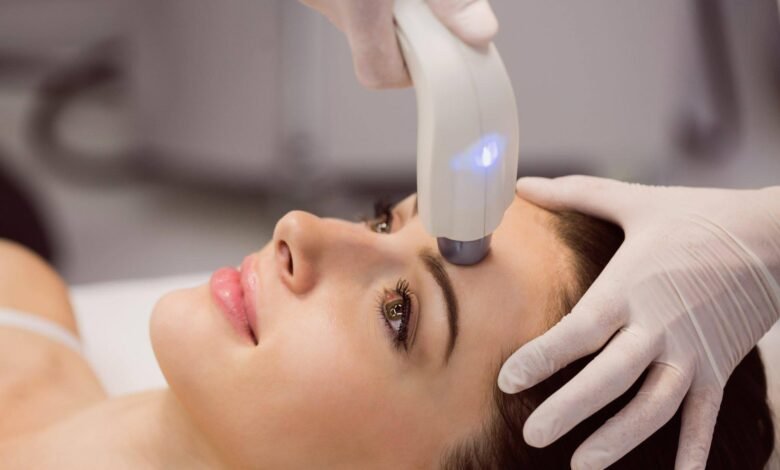
Modern aesthetic treatments fill that gap. Technologies such as lasers, radiofrequency and microneedling work at a deeper level, stimulating the skin’s own repair processes. Rather than covering up a problem, they encourage the skin to rebuild collagen and renew itself.
A Focus on Skin Health
One of the biggest changes in recent years is the move towards treatments that improve the overall quality of the skin. Instead of chasing dramatic change, many people now want brighter, smoother, healthier-looking skin that still looks like their own.
Treatments such as medical-grade peels, skin boosters and laser resurfacing are often used in this way, as part of a longer-term plan rather than a one-off event. Combined with a good daily routine at home, they can deliver gradual improvements that build over time.
Treating Scars With Greater Precision
Scarring is one area where modern treatments have made a particularly meaningful difference. Scars from acne, surgery, injury or burns can affect both how skin looks and how it feels, and they often have an emotional impact too.
In the past, options were limited. Today, specialists can choose from a wide range of approaches depending on the type, age and location of a scar. Fractional lasers can resurface textured skin, vascular lasers can reduce redness, steroid injections can flatten raised scars, and surgical revision can improve the shape or position of a scar where appropriate.
Specialist scar treatment increasingly combines several of these methods, tailored to the individual. This more precise, personalised approach means many people can now achieve improvements that would not have been possible a decade ago.
Shorter Recovery Times
Advances in technology have also made many treatments gentler. Fractional lasers, for example, treat only a portion of the skin at a time, leaving surrounding tissue intact so it heals more quickly. This has made treatments more accessible to people who cannot take long periods away from work or family life.
That said, some downtime is often still involved, and results usually develop over weeks or months rather than overnight. A reputable practitioner will always be clear about what to expect.
Personalisation and Diagnosis
Another major change is the emphasis on proper assessment. Skin varies enormously between individuals, and treatments that work well for one skin type can cause problems in another. Darker skin tones, for example, can be more prone to pigmentation changes after some laser treatments, so careful selection of technology and settings is essential.
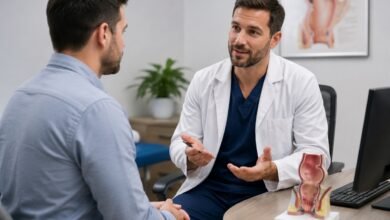
Good clinics now begin with a thorough consultation, often using imaging tools to assess skin in detail. The result is a treatment plan designed around a person’s skin, concerns and goals, rather than a one-size-fits-all package.
Choosing Safely
As aesthetic treatments have become more popular, so has the number of places offering them. Not all providers have the same level of training or medical oversight. When considering any treatment, it is worth checking:
- Who will carry out the treatment, and what their qualifications are.
- Whether there is appropriate medical supervision.
- That you receive a full consultation and a clear explanation of risks.
- That the clinic has experience treating your particular skin type and concern.
A New Approach to Skincare
Modern aesthetic treatments are not replacing skincare. Instead, they are becoming part of it. The most effective routines now combine daily habits at home with professional treatments where they can add real value.
For many people, this means skincare is no longer about hiding concerns. It is about understanding the skin, treating it thoughtfully, and supporting it to look and feel its best.