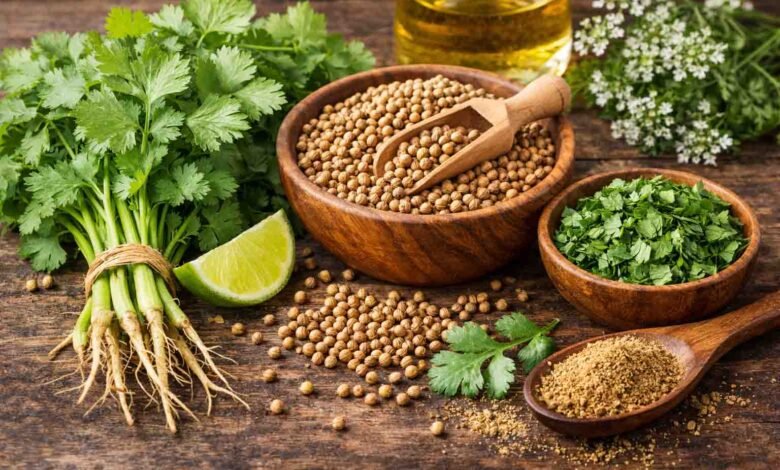
Koriandri is one of those simple herbs that can make your food taste fresh and bright in just a few seconds. Many people use it every day without even thinking about how special it really is. But when you look closely, you will see that this small herb carries a long story, great health power, and a very rich flavor.
In this article, we will take a friendly walk through everything you should know about Koriandri. We will learn what it is, why people use different names for it, how it looks, and why it grows so easily. We will also look at the natural power inside it and why it supports your health in simple but strong ways.
Koriandri is loved in homes, restaurants, and kitchens around the world. It has been used for thousands of years, and even today, it remains one of the most trusted herbs for taste and wellness. By the end of this guide, you will understand why this small plant makes such a big difference in daily life.
What Koriandri Really Is
Koriandri comes from a plant called Coriandrum sativum. This plant belongs to the same family as parsley, fennel, and cumin. The special thing about Koriandri is that it gives us both a fresh herb and a warm spice from the same plant. The green leaves are used fresh, and the round seeds are used dried.
The plant grows once a year and reaches around 50 to 60 centimeters in height. It has soft leaves that look a little like parsley, and it grows small white or light pink flowers. These flowers later turn into seeds that we use in cooking. Each part of the plant has a gentle but useful purpose.
People have used Koriandri for a very long time. It has a place in cooking, medicine, and even old cultural stories. Many countries use it daily in their kitchens because it gives a simple dish a fresh and warm taste at the same time. This makes Koriandri a very flexible and helpful herb for cooking and health.
If you look at Koriandri closely, you will notice that it is both simple and powerful. It does not need special care or complex steps to use. You can add the leaves at the end of cooking, or crush the seeds for deeper flavor. This easy use is one reason why it stays popular around the world.
Easy Names People Use for Koriandri
1. Cilantro
Cilantro is the name used mostly in the United States and many Latin American countries. This name refers to the fresh green leaves of the plant. Cilantro has a bright and citrus-like taste, which makes it perfect for topping soups, tacos, salads, and many fresh dishes. Many people love cilantro because it adds life to food with just a small amount.
2. Coriander
Coriander is the name used for the dry seeds in North America, but in Europe, people often call the whole plant coriander. The seeds have a warm, nutty taste and are used in spice mixes. Many breads, stews, and sauces use coriander seeds because they bring a deep and rich flavor that grows stronger when lightly toasted.
3. Dhania
In India, Pakistan, and other parts of South Asia, the plant is called dhania. This name includes both the leaves and the seeds. Dhania is used in almost every kind of dish, from curries to snacks and chutneys. It adds freshness to hot foods and blends well with spices, which is why it is such an important part of daily cooking.
4. Kuzbara
Kuzbara is the name used in the Middle East. It is often added to soups, salads, and rice dishes. People enjoy its gentle lemon-like smell and use it to lift the taste of warm meals. Kuzbara works especially well with garlic, lemon, and yogurt, which are common ingredients in Middle Eastern food.
5. Chinese Parsley
Chinese parsley is another name used in many Asian countries. The plant looks like parsley, but the taste is very different. Chinese parsley is used in stir-fries, noodle soups, and fresh dipping sauces. It gives meals a light and fresh touch, especially when added at the end.
How Koriandri Looks and Grows
Koriandri has soft, thin, green leaves that look a bit like parsley but have a stronger smell. The plant grows small white or light pink flowers that appear in groups called umbels. Over time, these flowers turn into round seeds that become brown when fully dry. These seeds are what we use as the coriander spice.
The plant grows quickly and completes its full life cycle in one growing season. It starts from a small seed, grows into a leafy plant, flowers, and then produces seeds. This simple life cycle makes it easy to grow even for beginners. You do not need to be an expert to enjoy fresh Koriandri at home.
Koriandri grows well in soft soil that drains water easily. It also likes sunlight, but light shade also works. Because the plant is not too large, it grows well in small pots, kitchen windows, and even balconies. This makes it a great choice for people who want fresh herbs without a large garden.
If you plant Koriandri in the right soil and keep the moisture balanced, you will see fresh leaves very soon. The plant responds well to simple care, and this is another reason why so many people enjoy growing it at home.
The Natural Power Inside Koriandri
1. Vitamins in Koriandri
Koriandri is full of helpful vitamins that support your body in simple but important ways. It is rich in Vitamin K, which supports healthy bones and normal blood flow. It also has Vitamin A, which keeps your eyes and skin healthy. Vitamin C inside Koriandri helps your immune system stay strong and active.
2. Minerals in Koriandri
The plant also carries minerals like iron, manganese, and potassium. Iron supports healthy blood, while potassium helps your muscles and heart work smoothly. Manganese helps your body use energy the right way. Even though Koriandri looks small, it provides many strong nutrients.
3. Essential Oils in Koriandri
Koriandri contains natural oils such as linalool, geraniol, alpha-pinene, and beta-pinene. These oils give the herb its fresh smell and also help the body. They offer calming effects, stronger digestion, and support against germs. These oils also bring the unique flavor that makes Koriandri so special.
Benefits of Koriandri
1. Helps Digestion
Koriandri supports healthy digestion in a very gentle way. It helps reduce gas, bloating, and discomfort after meals. The natural oils inside the herb support your stomach and help food move more easily. Many people use it daily for simple digestive comfort.
2. Good for Heart Health
Koriandri helps your heart by lowering bad cholesterol and supporting good cholesterol. This balance helps your heart stay strong over time. The potassium in the herb also helps your muscles and heart work in a smooth and steady way. Small amounts used daily can support long-term heart health.
3. Controls Blood Sugar
Koriandri seeds are known for helping balance blood sugar. They support insulin release and help your body use sugar better. This can be helpful for people who want stable energy levels during the day. The seeds are often used in warm drinks or spice mixes for this purpose.
4. Natural Detox Support
Koriandri helps the body remove unwanted toxins. It supports both the liver and kidneys, which clean your blood. Some studies show that Koriandri may help remove heavy metals like mercury and lead from the body. This makes it a natural detox partner for daily wellness.
Koriandri in Old and Natural Healing
Koriandri has been used in old healing systems for many centuries. In Ayurveda, it is seen as a cooling herb that brings balance to the body. People use it to calm digestion, reduce heat, and soothe skin problems. Warm drinks made from the seeds are often used for stomach comfort.
In Chinese and Unani medicine, Koriandri is known for helping with fever, nausea, and urinary issues. It is also used to refresh the body and support long-term health. Old cultures believed that this herb brings energy, strength, and better digestion. This long history shows how trusted Koriandri has been for wellness.
Even in ancient Egypt, Koriandri seeds were found in tombs, including the tomb of King Tut. This shows that people long ago valued this herb not just for cooking but also for healing and spiritual reasons. Its story carries wisdom from many different cultures.
How People Use Koriandri in Cooking
Koriandri is one of the easiest herbs to use in cooking. The fresh leaves bring a bright, citrus-like taste that works well with many meals. You can add the leaves at the end of cooking to keep their fresh smell and flavor. They taste great on soups, salads, tacos, noodles, and warm curries.
The seeds give a warm and nutty taste. When toasted lightly, the seeds release a stronger smell and deeper flavor. Many spice mixes, such as curry powder and garam masala, use coriander seeds. They are also used in sauces, pickles, rice dishes, and baked foods.
People enjoy Koriandri because it fits well with many ingredients. It goes nicely with lemon, garlic, onions, yogurt, tomatoes, and peppers. No matter what you cook, Koriandri can make the dish feel fresh and balanced. This simple herb brings life to many homes around the world.
Koriandri in Food Around the World
Koriandri is used in many countries, and each place uses it in a special way. In India, people use it in chutneys, curries, biryani, and warm soups. It adds freshness to spicy foods and blends well with other strong spices.
In Mexico, Koriandri is used in tacos, salsa verde, and guacamole. The bright leaves help balance spicy flavors and make the food taste fresh. Middle Eastern food uses it in dishes like tabbouleh, falafel, and rice meals. It gives a gentle lemon-like touch to warm meals.
In Southeast Asia, Koriandri is used in noodle soups, stir-fries, and dipping sauces. In Europe, the seeds are used in breads, sausages, and pickled foods. This global use shows how Koriandri can fit into any kitchen and make any meal taste better.
How to Grow Koriandri at Home
Growing Koriandri at home is simple, even if you are new to gardening. The seeds grow well in soft soil that drains easily. You can plant the seeds about half an inch deep and keep the soil moist. The plant does not need too much care, which makes it perfect for beginners.
Koriandri enjoys sunlight but can also grow in light shade. You can grow it in pots, containers, or small garden spaces. Within a few weeks, you will see fresh leaves ready for picking. This makes it a great herb for everyday cooking because you always have fresh leaves at home.
You can harvest the leaves once the plant reaches about six inches in height. If you want the seeds, you can let the plant grow flowers. When the flowers dry and turn brown, you can collect the seeds. This gives you fresh coriander spice for your meals.
How to Keep Koriandri Fresh Longer
Keeping Koriandri fresh is simple when you follow a few easy steps. One of the best ways is to place the stems in a glass of water, just like flowers. Then you can loosely cover the top with a plastic bag and keep it in the fridge. This helps the leaves stay bright and soft for many days.
Another easy method is to wrap the leaves in a slightly damp paper towel. After that, place them inside a small plastic bag or box. This keeps the leaves from drying out too fast. It also protects them from air, which helps Koriandri stay fresh for longer.
If you want to store Koriandri for even more time, you can freeze it. Just chop the leaves and place them in an ice cube tray with a little water or oil. When you need the herb, you can simply use one cube. This is very helpful for soups, sauces, or warm dishes.
Why Some People Taste Soap
Some people say that fresh Koriandri tastes like soap. This might sound strange, but there is a simple reason for it. It is not about the herb being bad or old. It is actually because of a small difference in their genes. One gene makes certain people more sensitive to the natural smell in the leaves.
This gene is called OR6A2. People who have this gene can pick up a strong smell from the natural oils in Koriandri. These oils smell normal to most people but smell “soapy” to them. It is just a natural taste difference, the same way some people like sweet food and others do not.
Cooking the leaves can soften this taste a little. This is because heat changes the natural oils in the herb. So if someone does not enjoy raw Koriandri, they may still enjoy it in warm food. It is helpful to know this so people understand that the herb is fine; it just tastes different to some.
Small Side Effects to Know
Koriandri is safe for most people when used in normal cooking amounts. But like every food, a few people may experience small side effects. Some may have a mild allergy, which can show as a skin rash or light irritation. These reactions are rare but still possible.
Another small side effect happens when people already take medicine for blood sugar. Koriandri can lower blood sugar naturally. So if someone is on strong medication, they should watch their levels so they do not drop too low. This is just a simple safety step.
Koriandri essential oil can also make the skin more sensitive to sunlight if used directly on the skin. This is why it should always be used gently. In cooking, the herb is safe and easy for almost everyone. The key is to use it in normal amounts and listen to your body.
Easy Recipes With Koriandri
1. Fresh Koriandri Chutney
This is one of the easiest ways to enjoy the leaves. You can blend Koriandri with mint, garlic, lemon juice, and a little chili. The result is a bright green sauce that goes well with snacks, sandwiches, and rice dishes. It tastes fresh and lifts any meal.
2. Spiced Koriandri Rice
You can make simple rice taste warm and special by adding coriander seeds. Lightly toast the seeds in oil before mixing in the rice and vegetables. This gives the rice a soft nutty flavor. It is an easy dish you can enjoy any day of the week.
3. Coriander Chicken Curry
This recipe uses both Koriandri leaves and seeds. You can marinate chicken with yogurt, ground coriander seeds, and spices. Cook it slowly and add fresh leaves at the end. This gives the curry a deep taste and a bright finish.
4. Herbal Koriandri Tea
If your stomach feels heavy, a warm tea made with coriander seeds can help. Just boil the seeds with water, ginger, and a little fennel. This drink is gentle and supports digestion. Many people use it after meals for comfort.
5. Koriandri Salad Dressing
You can make a quick dressing by mixing chopped leaves with lime juice, honey, olive oil, and a pinch of cumin. This dressing tastes light and fresh. It works well on salads, grilled vegetables, and even simple cooked meats.
Fun Facts and Old Stories About Koriandri
Koriandri has a long history that goes back thousands of years. Ancient Egyptians placed the seeds in tombs, including the tomb of King Tut. This shows that people long ago believed the herb carried special meaning. They used it for food, medicine, and spiritual practices.
Old cultures also believed Koriandri brought good health, protection, and balance. Many festivals and wedding dishes used the herb to bring good luck. In ancient Rome, coriander seeds were even added to wine for flavor and wellness. These fun stories show how deeply people valued the herb.
Today, Koriandri continues to be part of cooking and natural healing across many countries. It is a symbol of simple health and daily comfort. Even with modern science, people still enjoy it for the same reasons as those from the past — flavor, freshness, and wellness.
Final Thoughts
Koriandri may look simple, but it offers so much flavor and health support in daily life. It is easy to grow, easy to use, and fits into almost every kind of food. Whether you use the fresh leaves or the seeds, this herb can make your meals brighter and your body feel good.
Its long history, natural power, and friendly taste make it a favorite around the world. When you add Koriandri to your meals, you are not only enjoying better flavor — you are also adding small but strong health benefits. This is why people have trusted it for so many years.
Try using Koriandri a little more in your cooking. Add it to warm dishes, fresh salads, or simple snacks. You will enjoy how it changes your food and how it supports your wellness. A small herb like Koriandri truly brings big benefits to your daily life.
FAQs
Why do people use different names for Koriandri?
Different regions use different words. For example, the USA uses “cilantro” for leaves and “coriander” for seeds. South Asia calls it “dhania.” The Middle East says “kuzbara.” Each name depends on local language and culture.
3. What does Koriandri taste like?
The leaves taste fresh, bright, and slightly citrus-like. The seeds taste warm, sweet, and a little nutty. Both give dishes a special flavor in their own way.
4. Why does Koriandri taste like soap to some people?
Some people have a gene called OR6A2. This gene makes them more sensitive to certain natural oils in the leaves. Because of this, the leaves may taste “soapy” to them. It is not the plant — it is the gene.
5. Is Koriandri healthy to eat?
Yes, it is rich in vitamins A, C, and K. It also has minerals like iron and potassium. It helps digestion, heart health, detox, and skin health. It is a simple herb with many natural benefits.
6. How can I store Koriandri for longer?
Place the stems in a glass of water and cover loosely with a plastic bag. Or wrap the leaves in a damp paper towel. You can also freeze chopped leaves in ice cube trays for long storage.
People Also Read:
Why SparkPressFusion com Is Becoming a Big Name in the Digital World
The Power of Konversky: Clear, Smart, and Human-Like Communication
The Power of KPSchedule: A Clear Guide to Better Time Management