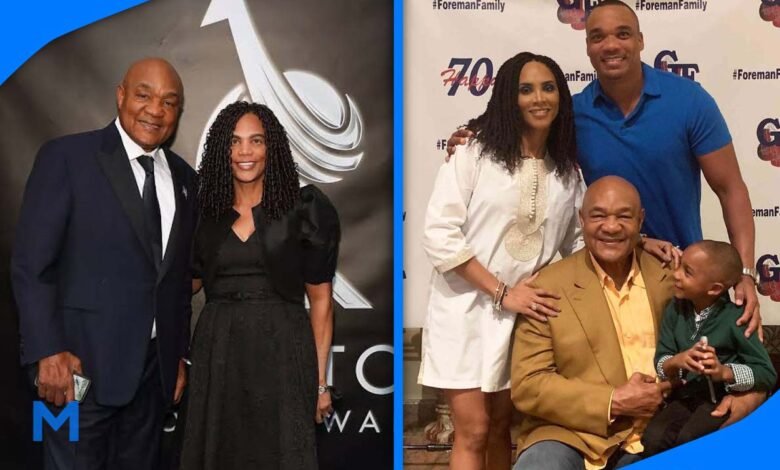
Mary Joan Martelly is best known as the wife of the famous boxer George Foreman. But she is much more than just a famous husband’s partner. She is calm, kind, and very strong. Many people want to know her story because she stays private but supports her family and helps others quietly.
In this article, we will look at her life step by step. We will talk about her early life, how she met George Foreman, her family, her work in charity, and her private lifestyle. By the end, you will understand why she is admired by many people.
Her story is inspiring. Even though she was married to a world-famous man, she stayed humble. She helped her family, raised her children with love, and worked hard to make the world a little better. This is a story about patience, love, and quiet strength.
Who Is Mary Joan Martelly?
Mary Joan Martelly is the loving wife of George Foreman. She is known for staying calm and private while supporting her family. She is also a philanthropist, helping children and families quietly. Many people respect her because she does not seek fame but focuses on what matters most: family and kindness.
She is a Saint Lucian-American, born in Mon Repos, Saint Lucia. She grew up in a large family with many siblings. Life was not always easy because her father died when she was young. These early challenges helped her become strong, responsible, and caring.
Even after marrying a famous boxer, she continued to live a quiet life. She helped George Foreman through hard times and always put her family first. Her calm nature made her the strong backbone of the family. People often look up to her as an example of humility and dedication.
Early Life of Mary Joan Martelly
Mary Joan Martelly was born in Mon Repos, a small village in Saint Lucia. She is the third child among eight siblings, with six sisters and two brothers. Growing up in a large family taught her to share, help others, and value hard work.
She loved sports at school. She enjoyed playing games and being active with her friends. School was fun for her because she grew up with the same children from kindergarten to high school. Everyone knew each other, and this built a strong sense of community.
Her father passed away when she was young. This made life harder for the family, but Mary learned to be strong and responsible. She helped her family and learned the value of perseverance. These early experiences shaped her character and prepared her for later life.
Work Before Moving to the United States
After finishing school, Mary Joan Martelly worked in a Chinese restaurant in her village. She learned how to serve people and be responsible for her tasks. Working in the restaurant taught her discipline and patience.
Later, she worked in a clothing factory. Here, she learned how to follow instructions and manage her time. Both jobs helped her gain experience and independence before moving to another country.
These early jobs showed that Mary Joan Martelly is hardworking. Even before meeting George Foreman, she knew how to take care of herself. Her strong work habits would later help her support her family in the United States.
How She Met George Foreman
Mary Joan Martelly came to the United States on a temporary visa. She was helping George Foreman by testifying in a custody dispute. During this time, they spent time together and got to know each other.
George Foreman soon fell in love with her. One day, while going to the movies, he left briefly and came back with a small diamond ring. He asked Mary to marry him, and she said yes. This started their long and happy marriage.
Mary Joan Martelly saw George as kind and family-loving. George saw Mary as calm and caring. Their connection was built on respect, love, and trust. This simple beginning grew into a partnership that lasted for decades.
Mary Joan Martelly’s Marriage With George Foreman
Mary Joan Martelly married George Foreman in 1985. She was his fifth wife, but this marriage lasted about 40 years, until George passed away in 2025. Their marriage was strong because they trusted and supported each other.
Together, they built a blended family. Mary became a stepmother to George’s children from previous marriages while also raising their own five children. She helped everyone feel loved and included, keeping the family united.
Mary’s calm and steady nature helped George focus on his career and family. People often say that her support was important to his success. She stayed quiet in the background but was always a key part of the family’s happiness.
Mary’s Children and Family Life
Mary Joan Martelly and George Foreman have five children together. Their sons are George IV, George V, and George VI. Their daughters are Leola and Natalie. Mary raised them with love and care. She made sure each child felt safe, happy, and important.
In addition to their own children, Mary is a stepmother to George’s children from earlier marriages. They include Michi, Freeda, Georgetta, George Jr., and George III. She welcomed them into the family and treated everyone with fairness and love.
Mary and George also adopted two children, Isabella Brandie Lilja in 2009 and Courtney Isaac in 2012. This shows how Mary’s heart is big. She wanted every child to have a happy and full life. The whole family stayed close and united under her guidance.
Mary Joan Martelly’s Life in Texas
Mary Joan Martelly and George Foreman lived in Huffman, Texas. Their estate was large, with 45 acres of land. The main house was huge and beautiful. There was also a guesthouse and a gym.
Even with a big home and lots of space, Mary kept her life private and calm. She enjoyed spending quiet time with her children and family. She did not seek fame or attention. Mary preferred simple, peaceful days at home.
The family often spent time together in the yard, played games, and had meals as a family. Mary made sure the children stayed grounded. Her calm way helped everyone feel safe and happy in their home.
Philanthropy and Charity
Mary Joan Martelly is known for helping others quietly. She has worked in Pediatric AIDS awareness campaigns. She spoke for the Pediatric AIDS Foundation and helped educate people about children’s health.
Later, Mary and George started the Foreman Family AIDS Foundation. This organization helped children and families who needed support. Mary focused on giving help without seeking attention. She believed real blessings come from quiet acts of kindness.
She has received recognition for her work. In 2014, the University of Houston Law Center gave her an award for outstanding immigrants. Mary’s charity shows her kind heart and strong values. She inspires others to care for their communities.
Mary’s Personality and Values
Mary Joan Martelly is calm, patient, and humble. She is not loud or flashy, but her support is powerful. She has guided her family quietly and strongly.
Her life shows the importance of family, faith, and kindness. Mary stays positive, even when life is challenging. She believes in helping others and keeping her family close. People admire her for being strong behind the scenes.
Mary’s personality also helped George Foreman. Her calm nature supported him in his career and personal life. She proved that quiet strength and love can make a big difference.
Mary’s Social Media Presence
Mary Joan Martelly is on Facebook under @Mary Foreman. She does not share much publicly. Most posts show family moments or special events.
She uses social media carefully. She likes to keep her life private. Even online, Mary stays humble and focuses on family and charity.
Her small online presence helps her maintain the peaceful, private lifestyle she enjoys. Fans and followers respect her choices and admire her for being low-key yet kind.
Mary Joan Martelly’s Net Worth
Mary Joan Martelly lives a comfortable life, mostly from George Foreman’s career and business successes. George earned money from boxing and the Foreman Grill brand.
Even with wealth, Mary focuses on family and giving, not luxury. She prefers simple living, quiet days, and helping others. Her lifestyle shows that true happiness does not come from money alone.
She manages her home, children, and charity work calmly. Mary’s life is a balance of comfort, humility, and purpose. She shows that wealth can be used wisely to support family and community.
Final Thoughts
Mary Joan Martelly is more than just George Foreman’s wife. She is a strong, kind, and humble woman. She built a happy family and helped children through charity work.
Her life shows that quiet strength and love can make a big difference. She stayed private, focused on family, and gave back to the community.
Mary’s story teaches us that true impact comes from kindness and care, not fame. She is an inspiring example of patience, humility, and steady support.
(FAQs)
How old is Mary Joan Martelly?
Mary Joan Martelly’s exact age is not confirmed. Some sources say she was born in 1955, others say 1963. What is known is that she celebrates her birthday on 10 February.
Where was Mary Joan Martelly born?
She was born in Mon Repos, Saint Lucia, a small village in the Caribbean. She grew up in a large family with seven siblings and learned strong family values.
Is Mary Joan Martelly American?
Yes, she has dual citizenship. She is Saint Lucian-American, born in Saint Lucia and later became a U.S. citizen after marrying George Foreman.
Who is Mary Joan Martelly married to?
She is married to George Foreman, the famous boxing champion. They tied the knot in 1985 and stayed together for about 40 years until George passed away in 2025.
Is Mary Joan Martelly George Foreman’s first wife?
No, she is George Foreman’s fifth wife. His previous wives were Adrienne Calhoun, Cynthia Lewis, Sharon Goodson, and Andrea Skeete.
people Also Read:
Who Is Atsuko Remar? Inside the Life of James Remar’s Private Wife
What Happened Elaine Andriejanssen? What We Knew About Eduardo Saverin’s Wife
Linzey Rozon: Her Journey From Horse Lover to Tim Rozon’s Life Partner