The Ultimate Guide to Chain Link Fence Installation: Step-by-Step Techniques, Materials, and Expert Tips for a Durable Fence

Introduction to Chain Link Fence Installation
Chain link fences are among the most practical and widely used fencing solutions for residential, commercial, and industrial properties. They provide a combination of durability, cost-effectiveness, and security while maintaining visibility, which is especially beneficial for monitoring activities within the fenced area. Chain link fence installation, when done correctly, ensures structural integrity, long-term stability, and a professional appearance. Proper planning, quality materials, and accurate execution are essential for a fence that not only serves its functional purpose but also enhances the overall value and aesthetics of a property. Whether the goal is to define boundaries, protect pets or children, or secure a facility, understanding the full installation process is critical to achieving optimal results.
Advantages of Chain Link Fencing
Chain link fences have numerous advantages that make them a popular choice. One of the primary benefits is their durability. Typically made from galvanized steel or coated wire, chain link fences resist rust, corrosion, and damage from environmental factors. They are also low maintenance; unlike wood or wrought iron, they do not require painting or regular treatment, only occasional inspections and cleaning. Another significant benefit is flexibility—chain link fences can be installed in various heights, accommodate slopes or irregular terrain, and be customized with gates or privacy slats. Their open design provides visibility, which is particularly advantageous for security purposes, allowing property owners to monitor both sides of the fence. Additionally, chain link fence installation tends to be more cost-effective than many other fencing options, making it an accessible solution for a variety of budgets.
Planning Your Chain Link Fence Installation
Successful chain link fence installation begins with meticulous planning. Start by measuring the perimeter of the area to be fenced and mapping the layout, including posts, corners, and gates. It’s crucial to verify property boundaries and check for underground utilities before digging post holes to prevent disputes and accidental damage. Consider the terrain carefully, as slopes, uneven ground, or obstacles may require special installation techniques, such as stepping the mesh or grading the area. Choosing the right materials is equally important; options include galvanized steel, vinyl-coated wire, and high-gauge fencing for enhanced durability. Planning also involves selecting the type and placement of gates for convenient access while maintaining security. Detailed preparation minimizes errors during installation and ensures a fence that is both functional and visually appealing.
Materials and Tools Needed
To ensure a strong and durable fence, proper materials and tools are essential. Key materials include chain link mesh, posts, top rails, tension bars, tension bands, and gate hardware suitable for the chosen fencing type. Concrete is typically required to anchor posts securely in the ground. Necessary tools include a post hole digger, level, measuring tape, pliers, wrenches, a hacksaw, and a come-along tool to stretch the mesh tightly. For vinyl-coated chain link fences, extra care is needed to avoid damaging the coating. High-quality materials and the correct tools not only simplify installation but also extend the fence’s lifespan and maintain its appearance. Preparing all materials and tools in advance ensures a smooth, efficient installation process.
Step-by-Step Chain Link Fence Installation
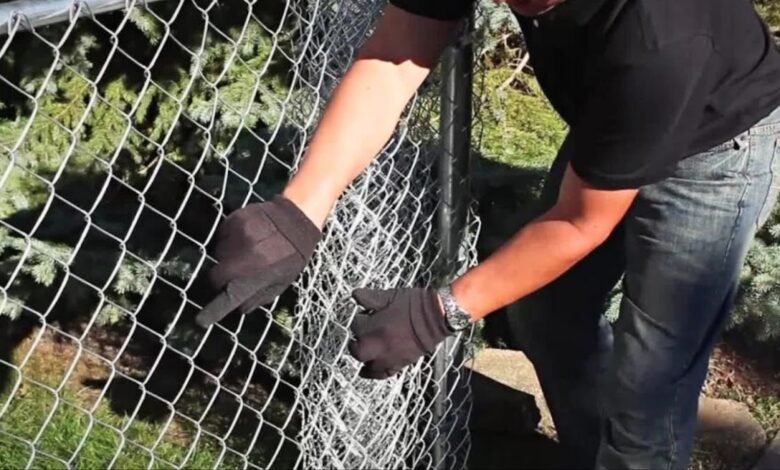
Chain link fence installation can be broken down into several key steps. First, mark the layout of the fence, including post and gate locations. Dig post holes, typically 8 to 10 feet apart, depending on fence height and design, and secure the posts with concrete. Corner, gate, and end posts should be reinforced to withstand the tension of the mesh. Once the posts are stable, attach the top rails and connect them to the posts for structural support. Next, unroll the chain link mesh and attach it to the posts using tension bars and bands, ensuring it is stretched tightly to prevent sagging and maintain security. Gate installation requires careful alignment, with self-closing and locking mechanisms in place to ensure functionality and compliance with safety standards. Finally, inspect the entire fence line to confirm that all posts are plumb, mesh is taut, and gates operate smoothly.
Common Challenges in Chain Link Fence Installation
Several challenges can arise during chain link fence installation. Uneven or sloped terrain may make it difficult to maintain a uniform fence height, requiring adjustments such as stepping or raking the mesh. Rocky or compacted soil can complicate digging post holes and securing posts with concrete. Large installations or irregularly shaped areas may require additional manpower and specialized tools to stretch the mesh properly without sagging. Additionally, improper tensioning of the mesh can lead to loose areas that compromise security and aesthetics. Understanding these potential issues in advance allows installers to prepare solutions and ensures a smooth installation process with professional results.
Maintenance and Longevity
One of the primary benefits of chain link fences is their low maintenance requirements. Regular inspections are important to identify any loose posts, damaged mesh, or missing hardware. Cleaning with water and mild soap helps remove dirt and prevent buildup, while metal fences may benefit from rust prevention treatments if located in humid or coastal areas. Vinyl-coated fences should be checked for chips or damage to the coating to prevent corrosion. Gates should be maintained with lubrication to keep hinges operating smoothly and to avoid misalignment. Routine maintenance extends the fence’s lifespan, maintains security, and ensures the fence continues to look professional and well-maintained over time.
Customization and Enhancements
Chain link fences are highly versatile and can be customized to meet specific functional or aesthetic needs. Vinyl coatings in a variety of colors enhance appearance while adding a protective layer. Privacy slats can be inserted into the mesh for added privacy or wind protection. Security enhancements, such as additional height, barbed wire, or anti-climb measures, can be added for commercial or high-security areas. Gates can be customized for size, style, and locking mechanisms to fit property requirements. Customization ensures that chain link fence installation not only meets security needs but also aligns with design preferences and property aesthetics.
Professional Chain Link Fence Installation
While DIY chain link fence installation is possible for those with experience and proper tools, professional installation offers distinct advantages. Experienced installers bring technical expertise, specialized equipment, and efficiency to the process, ensuring proper post placement, mesh tensioning, and gate alignment. Professionals can handle uneven terrain, complex layouts, and unexpected obstacles more effectively than DIY attempts. Many professional services also provide warranties on materials and workmanship, offering peace of mind. Hiring professionals ensures a strong, secure, and visually consistent fence that will require minimal adjustments over time.
Conclusion
Chain link fence installation is a cost-effective, durable, and versatile solution for securing properties, defining boundaries, and providing safety. Proper planning, material selection, and installation techniques are essential for achieving a strong, reliable, and aesthetically pleasing fence. Awareness of potential challenges, adherence to best practices, and professional installation when necessary ensure long-term functionality and stability. With proper maintenance, a chain link fence can last for decades while maintaining its appearance and performance. Whether installed as a DIY project or by professionals, a well-executed chain link fence installation provides security, durability, and value for any residential, commercial, or industrial property.