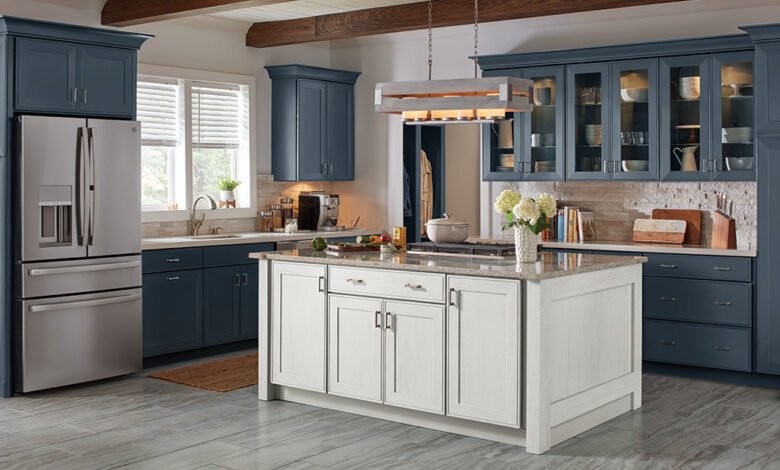
A kitchen remodel is one of the most impactful home improvement projects, offering both functional upgrades and aesthetic enhancements that can dramatically elevate the value and enjoyment of a home. The kitchen is often considered the heart of the home, a space where families gather, meals are prepared, and social interactions occur. Therefore, a successful kitchen remodel requires careful planning, expert design, and precise execution. Remodeling involves more than simply replacing cabinets or countertops; it encompasses layout optimization, lighting, plumbing, electrical work, and the selection of materials that balance beauty, durability, and practicality. By approaching a kitchen remodel strategically, homeowners can achieve a space that is visually appealing, highly functional, and tailored to their unique lifestyle and needs.
Understanding the Benefits of a Kitchen Remodel
Remodeling a kitchen offers numerous advantages beyond aesthetic appeal. A well-designed kitchen improves workflow, making cooking and cleaning more efficient while enhancing the overall usability of the space. For example, optimizing the work triangle the arrangement of the sink, stove, and refrigerator reduces unnecessary steps during meal preparation and creates a more organized environment. Modern kitchens also incorporate specialized storage solutions, such as pull-out shelves, lazy Susans, and deep drawers, which maximize space and keep essential tools and ingredients within easy reach.
In addition to functionality, a kitchen remodel increases the value of a home. Real estate experts often identify kitchens as a major factor influencing a property’s resale potential. Updated appliances, high-quality materials, and contemporary design elements appeal to buyers, making a remodeled kitchen an investment that provides both immediate satisfaction and long-term financial returns. Beyond value, a remodel also enhances energy efficiency. Installing energy-efficient appliances, LED lighting, and low-flow faucets reduces utility costs while promoting a sustainable living environment.
Planning a Kitchen Remodel
Effective kitchen remodeling begins with thorough planning. Homeowners should start by evaluating their current kitchen layout, identifying pain points, and determining goals for the renovation. Considerations such as available space, desired storage, appliance upgrades, and style preferences help guide the design process. Establishing a realistic budget early on ensures that priorities are balanced with financial constraints, allowing for informed decisions about materials, appliances, and labor.
Professional consultation is highly recommended for a comprehensive kitchen remodel. Architects, interior designers, and experienced contractors provide insight into layout optimization, structural modifications, and the integration of modern technologies. During the planning phase, detailed floor plans, 3D renderings, and material selections allow homeowners to visualize the final result, make adjustments, and avoid costly mistakes during construction. Planning should also account for necessary permits, especially for electrical, plumbing, or structural changes, to ensure compliance with building codes and safety regulations.
Key Components of a Kitchen Remodel
A successful kitchen remodel addresses multiple components that collectively enhance both form and function. Cabinets and storage are foundational elements, providing organization and contributing significantly to the kitchen’s aesthetic. Modern cabinetry offers a range of styles, finishes, and functionalities, from minimalist designs to custom-built solutions. Countertops are another critical component, with materials such as granite, quartz, marble, and butcher block offering varying levels of durability, maintenance, and visual appeal. Choosing the right countertop material balances style, practicality, and budget considerations.
Appliances are central to both functionality and efficiency. Upgrading to energy-efficient refrigerators, ovens, dishwashers, and cooktops improves performance, reduces utility costs, and enhances the overall kitchen experience. Lighting plays a complementary role, with layered lighting solutions including task, ambient, and accent lighting creating an inviting, well-illuminated space. Flooring, backsplash, and wall finishes contribute to the visual cohesion and durability of the kitchen, with options ranging from tile and hardwood to engineered materials designed for high-traffic environments.
Common Challenges in Kitchen Remodeling
Kitchen remodeling presents several challenges that require careful attention to detail. One of the most common issues is managing the disruption caused by construction. Homeowners must plan for temporary cooking arrangements, storage relocation, and limited access to utilities during the renovation. Coordinating multiple trades plumbers, electricians, carpenters, and painters can also be complex, requiring a clear timeline and project management to avoid delays or miscommunication.
Budget management is another significant challenge. Unexpected costs may arise due to structural modifications, outdated plumbing or electrical systems, or changes in material availability. Accurate cost estimation, contingency planning, and ongoing communication with contractors help mitigate financial surprises. Ensuring that all design elements—cabinetry, countertops, appliances, lighting, and flooring—complement one another aesthetically and functionally is equally critical, as mismatched selections can compromise both visual appeal and usability.
The Role of Professional Contractors
Engaging professional contractors is often essential for a successful kitchen remodel. Experienced contractors bring technical expertise, project management skills, and access to specialized tools that ensure precise execution. They can handle complex tasks such as relocating plumbing or electrical systems, installing custom cabinetry, and coordinating finishing work. Professional contractors also provide valuable guidance on material selection, code compliance, and design trends, helping homeowners achieve their vision while maintaining structural integrity and safety.
Contractors streamline the remodeling process, reducing the risk of costly errors and ensuring that the project stays on schedule. Clear communication between homeowners and contractors is crucial to convey expectations, review progress, and address any challenges promptly. By leveraging the expertise of professionals, homeowners can achieve a high-quality, cohesive kitchen that meets both aesthetic and functional goals.
A kitchen remodel not only improves immediate usability but also impacts long-term maintenance and durability. Selecting durable materials, quality fixtures, and energy-efficient appliances reduces the need for frequent repairs and replacements. Proper installation techniques, regular cleaning, and routine inspections help preserve the appearance and performance of cabinets, countertops, and appliances. Implementing smart storage solutions and organization systems prevents clutter and protects surfaces from damage. By prioritizing durability and maintenance during the remodel, homeowners can enjoy a kitchen that remains functional, stylish, and efficient for years to come.
Emerging Trends in Kitchen Remodeling
Modern kitchen remodeling increasingly emphasizes technology, sustainability, and customization. Smart appliances, such as connected ovens, refrigerators, and dishwashers, allow homeowners to monitor and control their kitchen remotely, improving convenience and efficiency. Sustainable materials, including recycled countertops, low-VOC paints, and energy-efficient fixtures, contribute to environmentally responsible remodeling practices. Customization options, from unique cabinetry designs to personalized lighting schemes, enable homeowners to create a kitchen that reflects their personal style while meeting specific functional requirements.
Open-concept layouts, integrated storage solutions, and multi-functional islands are also gaining popularity, promoting social interaction and maximizing usable space. By incorporating these trends thoughtfully, homeowners can create a kitchen that is both contemporary and timeless, blending cutting-edge functionality with enduring design principles.
Conclusion
A kitchen remodel is a transformative investment that enhances both the aesthetic appeal and practical functionality of a home. Through careful planning, strategic design, professional execution, and attention to detail, homeowners can create a kitchen that is efficient, visually appealing, and tailored to their lifestyle. Addressing key components cabinets, countertops, appliances, lighting, and flooring while anticipating challenges and leveraging professional expertise ensures a successful outcome. Emerging trends in technology, sustainability, and customization provide additional opportunities to create a modern, enjoyable kitchen space. Ultimately, a well-executed kitchen remodel not only elevates the home’s value but also enhances daily living, providing a functional and beautiful environment where families can gather, cook, and create lasting memories.