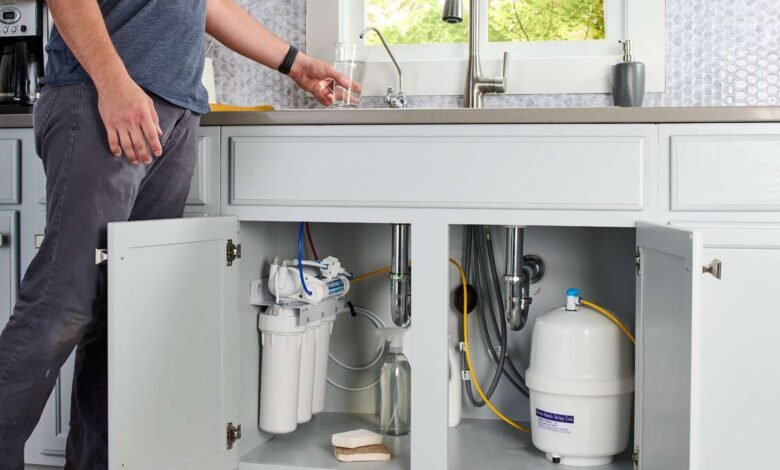
Water is essential for life, yet not all water is created equal. Contaminants, minerals, chemicals, and microorganisms can significantly affect water quality, making it unsafe or unpleasant for consumption. Among the most effective technologies for purifying water, reverse osmosis systems have become widely recognized for their ability to provide clean, safe, and great-tasting water. These systems not only improve health and hydration but also protect household appliances, enhance cooking, and contribute to sustainable living.
Understanding Water Contamination
Before discussing the benefits of reverse osmosis systems, it is important to understand the sources and types of water contamination. Water can be contaminated through natural processes, such as the presence of heavy metals like arsenic, lead, or mercury in groundwater. Human activities, including industrial discharge, agricultural runoff, and urban pollution, introduce chemicals, pesticides, and pharmaceuticals into water sources. Even treated municipal water may still contain traces of chlorine, fluoride, or sediment that can affect taste, odor, and health.
Contaminated water is associated with a wide range of health risks. Long-term exposure to heavy metals can lead to neurological disorders, kidney damage, and cardiovascular issues, while microbial contamination can cause gastrointestinal illnesses and infections. Additionally, chemical residues can affect water taste and odor, making it less appealing for drinking and cooking. These concerns highlight the need for advanced filtration technologies capable of addressing multiple contaminants efficiently.
How Reverse Osmosis Systems Work
Reverse osmosis systems utilize a semi-permeable membrane to remove impurities from water at the molecular level. Water is forced under pressure through this membrane, which allows water molecules to pass while blocking dissolved salts, minerals, bacteria, viruses, and other contaminants. This process results in highly purified water, free from harmful substances and sediment.
Many reverse osmosis systems also include multiple stages of filtration. Pre-filters remove larger particles like sediment and chlorine, protecting the membrane and improving longevity. Post-filters may include activated carbon to further enhance water taste and remove any residual odors. Some advanced systems incorporate UV sterilization or remineralization stages to reintroduce beneficial minerals, ensuring that the water is not only safe but also pleasant to drink.
Reverse osmosis is highly effective because it addresses a wide spectrum of contaminants, including dissolved solids, nitrates, sulfates, fluoride, lead, and microorganisms. This comprehensive purification makes reverse osmosis systems ideal for households and workplaces where water quality is a priority.
Benefits of Using Reverse Osmosis Systems
The advantages of installing reverse osmosis systems extend far beyond basic water purification. One of the most significant benefits is health protection. By removing contaminants such as lead, arsenic, fluoride, and harmful microorganisms, these systems provide water that is safe for drinking and cooking, reducing the risk of waterborne illnesses and long-term health complications.
Improved taste and odor are also key benefits. Many households report that water processed through reverse osmosis systems tastes fresher, cleaner, and more appealing. This encourages proper hydration and enhances the flavor of beverages and food prepared with purified water.
Another important advantage is appliance protection. Sediment, scale, and mineral deposits in unfiltered water can reduce the efficiency of kettles, coffee makers, dishwashers, and water heaters. By reducing these contaminants, reverse osmosis systems help extend appliance lifespan, decrease maintenance needs, and improve overall efficiency.
Additionally, reverse osmosis systems contribute to environmental sustainability. By providing a reliable alternative to bottled water, they reduce plastic waste, lower carbon footprints associated with bottled water production and transportation, and offer a more economical solution over time.
Types of Reverse Osmosis Systems
Reverse osmosis systems are available in several configurations to meet different needs and preferences. Understanding the types of systems can help consumers choose the one that best fits their household or business.
- Under-Sink RO Systems: These are compact units installed beneath the kitchen sink, providing filtered water directly to a dedicated faucet. They are suitable for most households and offer convenience without taking up counter space.
- Countertop RO Systems: Countertop units connect directly to the faucet and are ideal for renters or those who prefer a portable option. These systems are easy to install and maintain, offering flexibility and convenience.
- Whole-House RO Systems: Whole-house systems treat all water entering a home, ensuring that every faucet delivers purified water. These systems are beneficial for households with multiple bathrooms or high water usage, as they provide comprehensive protection.
- Commercial RO Systems: Designed for businesses, offices, and industries, commercial reverse osmosis systems provide high-capacity water purification to meet large-scale requirements. They are used in restaurants, laboratories, healthcare facilities, and manufacturing processes.
- Portable and Travel RO Units: Compact and lightweight, these systems are designed for outdoor activities, travel, or emergency use. While smaller in capacity, they ensure safe drinking water wherever needed.
Maintenance and Longevity
Proper maintenance is crucial for the effective operation of reverse osmosis systems. Pre-filters should be replaced regularly to protect the membrane, while the RO membrane itself requires periodic replacement based on water quality and usage. Post-filters, if present, also need timely replacement to ensure optimal water taste and safety.
Regular cleaning and inspection of system components prevent bacterial growth and maintain consistent performance. High-quality reverse osmosis systems, when properly maintained, can provide years of reliable water purification, making them a long-term investment in health, convenience, and sustainability.
Choosing the Right Reverse Osmosis System
Selecting the ideal reverse osmosis systems requires evaluating household needs, water quality, and budget considerations. A comprehensive water test helps identify contaminants, water hardness, and pH levels, guiding the choice of system that addresses specific concerns effectively.
Household size and water consumption also influence the type of system needed. Large families or high water users may benefit from under-sink or whole-house systems, while individuals or small households might prefer countertop or compact units. Consideration should also be given to energy consumption, maintenance requirements, and any additional features such as UV sterilization or remineralization.
Technological Advancements in Reverse Osmosis
Modern reverse osmosis systems continue to evolve with technological innovations that enhance efficiency, performance, and convenience. Smart RO systems now feature monitoring sensors that track water quality, filter life, and system performance, providing alerts when maintenance or filter replacement is needed.
Advancements in membrane technology have improved contaminant removal, flow rates, and energy efficiency. Some systems incorporate multiple purification methods, combining RO with carbon filtration, UV sterilization, or remineralization to deliver optimal water quality. Integration with home automation platforms allows for remote monitoring and control, adding convenience and ensuring consistent access to purified water.
Environmental and Economic Considerations
Reverse osmosis systems offer significant environmental and economic benefits. By reducing reliance on bottled water, households decrease plastic waste and carbon emissions associated with production and transportation. Energy-efficient RO systems also minimize water and electricity use, supporting environmentally responsible practices.
From an economic perspective, investing in a reverse osmosis system can result in long-term savings. Reduced spending on bottled water, fewer appliance repairs, and improved energy efficiency all contribute to cost-effectiveness. Over time, the initial investment is outweighed by health, convenience, and environmental benefits.
Conclusion
In today’s world, where water contamination is a pressing concern, reverse osmosis systems provide a reliable, effective solution for ensuring safe, clean, and great-tasting water. These systems address a wide range of contaminants, improve water quality, protect household appliances, and contribute to health and sustainability.
With various types available, from under-sink units to whole-house systems, there is an option to meet virtually every household or business need. Proper maintenance, understanding technological features, and selecting the right system based on water quality and usage can maximize the benefits of reverse osmosis systems.
For anyone seeking consistent access to high-quality water, investing in reverse osmosis systems is not merely a convenience; it is a proactive step toward better health, sustainability, and long-term savings. By incorporating these systems into daily life, individuals can enjoy the assurance that every glass of water is safe, clean, and refreshing, supporting both personal well-being and environmental responsibility.