Step-by-Step Guide to Inspecting Gutter Alignment, Slope, and Downspouts During Cleaning

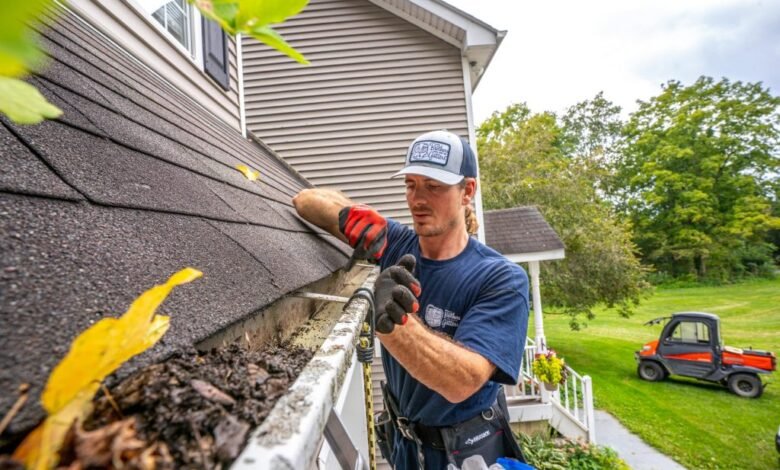
Maintaining a home involves numerous responsibilities that require attention to both visible and hidden elements, and among the often-overlooked tasks, gutter maintenance plays a crucial role in preserving the integrity of a property. Gutters are not simply decorative features running along the edges of the roof; they serve an essential function by directing rainwater away from the foundation, walls, and landscaping, preventing potential water damage, structural deterioration, and pest infestations that could arise over time. Ensuring proper gutter cleaning is therefore a fundamental aspect of responsible homeownership, as it safeguards the home from preventable damage and contributes to the overall longevity of the building. In this guide, we will delve into the importance of maintaining clean gutters, explore the tools and techniques necessary for effective cleaning, outline common mistakes to avoid, and provide practical strategies to ensure that gutters remain in optimal condition throughout the year, regardless of the climate or environmental conditions.
Why Regular Gutter Cleaning is Essential for Home Protection
The primary reason that gutter maintenance is so important is that gutters are the first line of defense against water-related damage to a home. When gutters become clogged with leaves, twigs, dirt, or other debris, rainwater can no longer flow freely through the system, causing water to overflow along the sides of the house or pool near the foundation. Such water accumulation can lead to structural problems, including basement flooding, soil erosion around the foundation, rotting wood, and damage to siding and windows, all of which may require costly repairs. Beyond structural issues, stagnant water in clogged gutters can foster the growth of mold and mildew, creating an environment conducive to bacteria and fungi that could affect the health of the household. In addition, standing water can attract pests such as mosquitoes, rodents, and birds, introducing further complications that extend beyond mere inconvenience. By regularly performing gutter cleaning, homeowners not only prevent water damage and structural deterioration but also maintain a safer and healthier living environment.
Essential Tools and Equipment for Effective Gutter Cleaning
Achieving effective gutter cleaning requires the right combination of tools, preparation, and technique, as attempting to clean gutters with insufficient equipment can lead to incomplete results or even accidents. A sturdy ladder is essential to reach the full height of the gutters safely, and it should always be positioned on stable ground with a partner nearby if possible, to minimize the risk of falls. Protective gloves are necessary to prevent cuts, scrapes, or contact with insects, and a gutter scoop or small trowel makes it easier to remove accumulated leaves, twigs, and debris efficiently without relying solely on your hands. Following the removal of larger debris, a garden hose allows you to flush out smaller particles and check that the water flows smoothly through the downspouts, which are often the most common points of blockage. In addition, safety gear such as non-slip shoes and safety glasses provides extra protection while working, and specialized tools such as telescoping gutter cleaners or gutter vacuums can further simplify the cleaning process, especially for multi-story homes or structures with complex gutter designs.
Step-by-Step Guide to Cleaning Your Gutters Safely and Thoroughly
The process of gutter cleaning, when approached systematically, can be both effective and time-efficient. It begins with a thorough inspection of the gutters from the ground to identify areas with heavy buildup or visible damage. After gathering all tools and safety equipment, start removing the large debris, working methodically along each section of the gutter, typically beginning near the downspout to prevent pushing debris into an already cleared area. Once the bulk of the material is removed, flushing the gutters with water ensures that smaller particles and sediment are washed away, confirming that downspouts are free of obstructions and that water flows correctly. During this process, it is also an opportune time to inspect for any damage, including rust, cracks, loose fasteners, or sagging sections, as addressing these issues promptly can prevent more extensive repairs in the future. After the gutters themselves are cleaned, it is important to verify that the downspouts are clear, as even a partially blocked downspout can result in overflow and potential water damage to the surrounding area. Installing gutter guards or screens can also reduce the frequency of maintenance by preventing large debris from entering the gutter system, although they are not a substitute for regular cleaning and inspection.
Common Mistakes Homeowners Make During Gutter Cleaning
Despite the apparent simplicity of the task, many homeowners make common mistakes that reduce the effectiveness of gutter cleaning or compromise safety. Safety risks are significant, as falling from a ladder remains one of the most frequent accidents associated with home maintenance; therefore, it is essential to use a secure ladder and appropriate protective gear. Another mistake is focusing only on the gutter channels while neglecting the downspouts, which are equally important in directing water away from the home. In addition, postponing cleaning until a severe clog occurs can exacerbate existing problems and increase repair costs, as debris buildup often leads to water overflow and damage that could have been prevented with regular maintenance. Using improper tools, such as kitchen utensils or small brushes, may hinder the cleaning process and even damage the gutters, emphasizing the importance of investing in appropriate equipment. Finally, failing to inspect the gutters for wear, rust, or loose attachments during the cleaning process can result in minor issues escalating into major repairs, underscoring the value of a thorough and careful approach.
Benefits of Hiring Professional Gutter Cleaning Services
For homeowners who prefer not to handle gutter cleaning themselves, professional services offer a range of advantages, including safety, efficiency, and preventive maintenance. Experienced technicians are equipped with specialized tools and trained to clean even the most challenging gutter systems, ensuring that all debris is removed and water flows properly through the downspouts. Hiring professionals eliminates the risks associated with climbing ladders or handling heavy debris and saves time, allowing homeowners to focus on other responsibilities. Moreover, trained experts can detect early signs of damage, such as leaks, sagging gutters, or loose brackets, providing solutions before minor issues develop into expensive repairs. While professional services represent an investment, the benefits in terms of safety, thoroughness, and preventive care often outweigh the cost, making them a practical option for those seeking to maintain their gutters in optimal condition.
Seasonal Considerations for Maintaining Clean Gutters
The timing of gutter cleaning is also influenced by seasonal factors, as each season presents unique challenges that can affect the accumulation of debris and the functionality of the gutters. In spring, gutters often contain debris leftover from winter storms, including broken branches and dirt, making this a critical time for cleaning to prepare for the spring rains. Summer can bring sudden storms that carry additional leaves and dust into the gutter system, necessitating periodic inspections and prompt clearing. Fall is particularly significant, as falling leaves are the primary source of gutter clogging; cleaning before the onset of heavy rains ensures that water is directed appropriately away from the home. Winter presents additional challenges, including the potential formation of ice dams that can damage gutters and roofing. By adapting the frequency and method of gutter cleaning to seasonal conditions, homeowners can maintain proper water flow and prevent the accumulation of problems throughout the year.
Eco-Friendly Practices for Gutter Cleaning
In addition to the practical considerations, there are environmentally responsible approaches to gutter cleaning that minimize waste and reduce chemical runoff. Organic debris removed from gutters can be composted, transforming a potential disposal problem into a beneficial resource for gardens and landscaping. Opting for durable, reusable cleaning tools reduces reliance on disposable items, while careful use of water during flushing can conserve resources and prevent unnecessary waste. If cleaning agents are necessary, choosing biodegradable and non-toxic solutions ensures that chemical runoff does not negatively impact surrounding soil or plants. By combining these eco-friendly practices with regular maintenance, homeowners can achieve clean, functional gutters while minimizing their environmental footprint and contributing to more sustainable home upkeep.
Conclusion: The Long-Term Benefits of Regular Gutter Cleaning
Ultimately, maintaining clean gutters is not simply a matter of aesthetics; it is a critical aspect of protecting the home, preserving its structural integrity, and safeguarding the health of those living inside. Routine gutter cleaning prevents water damage, mold growth, and pest infestations while extending the lifespan of the gutter system itself. Whether performed independently or through professional services, the combination of proper tools, systematic techniques, seasonal awareness, and preventive measures ensures that gutters remain efficient in their role as a vital component of home protection. Regular maintenance and attention to detail not only prevent costly repairs but also contribute to a safer and more comfortable living environment, making gutter cleaning an essential part of responsible homeownership. By investing effort into maintaining this often-overlooked aspect of the property, homeowners secure both immediate and long-term benefits that enhance the value and safety of their home, reinforcing the principle that proactive care is always more effective than reactive repair.