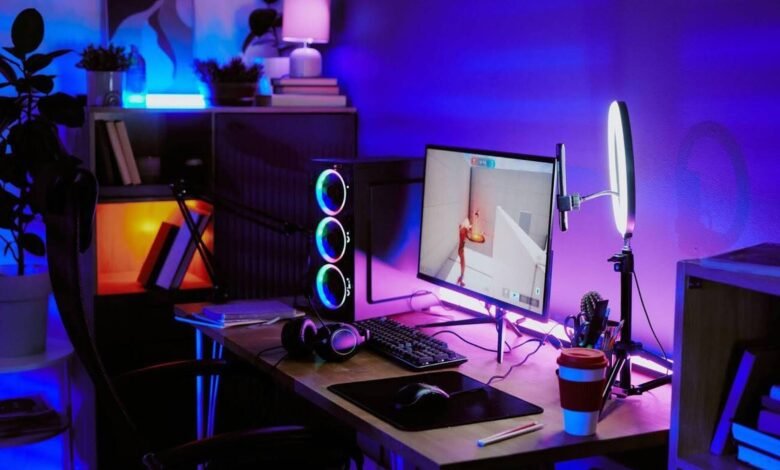
In the modern gaming world, few experiences rival the thrill of playing high-quality games from anywhere using rdp for remote gaming. Whether you’re traveling, at a friend’s house, or simply avoiding a crowded living room, RDP (Remote Desktop Protocol) technology makes it possible to stream your favorite games seamlessly. Tools like download StarDesk rdp have revolutionized the way gamers approach remote play, offering a smooth, low-latency experience that keeps gameplay responsive and immersive. In this article, we’ll explore key strategies to optimize your remote gaming setup and fully leverage StarDesk for an unparalleled experience.
Choosing the Right RDP Client
Not all remote desktop applications are created equal. For gaming, it’s essential to pick a client that minimizes input lag and handles high-resolution graphics efficiently. StarDesk has emerged as a standout choice, allowing gamers to download StarDesk rdp with an interface designed for fast performance. When selecting your RDP client, prioritize features like adaptive resolution, high frame-rate support, and reliable compression methods. These features ensure that your remote gaming sessions stay fluid and responsive, even over less-than-perfect network conditions.
Optimizing Network Settings
The foundation of smooth remote gaming is a stable network connection. Lag and stuttering can ruin even the most well-designed setups. Gamers using rdp for remote gaming should aim for wired connections whenever possible, as Wi-Fi introduces variable latency. Additionally, adjusting the RDP client’s bandwidth and compression settings in StarDesk can reduce packet loss and enhance visual quality. Setting your network’s Quality of Service (QoS) to prioritize gaming traffic further ensures that gameplay remains uninterrupted, no matter what other devices are on the network.
Configuring Display Options
Display settings directly impact both performance and visual fidelity. Remote gaming sessions often struggle with high-resolution textures and fast-moving scenes if the RDP client isn’t optimized. StarDesk allows gamers to fine-tune resolution, color depth, and frame rates to match both the host and client systems. Lowering unnecessary graphical settings can improve latency without drastically compromising the visual experience. By experimenting with these options, you can strike the perfect balance between performance and aesthetics.
Fine-Tuning Input Settings
Input lag is the ultimate enemy of remote gaming. Even a slight delay between your keyboard or controller and the in-game response can make competitive games frustrating. StarDesk’s RDP platform supports advanced input handling that minimizes delay and ensures that commands are transmitted instantaneously. Configuring the correct polling rate for your mouse, keyboard, or controller, and enabling any available low-latency input modes, can significantly enhance the responsiveness of your remote gaming setup.
Leveraging Cloud and Local Resources
Remote gaming doesn’t mean you’re entirely dependent on your home PC’s hardware. StarDesk offers options to stream games from powerful cloud servers or leverage local GPUs for optimal performance. Gamers using download StarDesk rdp can select the best host based on latency and graphical requirements. By combining cloud processing with local network optimizations, you can achieve a gaming experience that rivals traditional desktop play, even when you’re miles away from your main rig.
Monitoring Performance Metrics
Understanding how your setup performs in real-time can help identify bottlenecks before they impact gameplay. StarDesk includes tools to monitor frame rates, network latency, and input response times. Regularly reviewing these metrics allows you to adjust settings dynamically, ensuring your rdp for remote gaming sessions remain smooth under varying conditions. Logging performance over time can also help you identify whether upgrades to your network, host system, or RDP configuration are necessary.
Reducing Background Processes
A clean system is a fast system, even in remote gaming scenarios. Host PCs running multiple background processes can experience frame drops, lag spikes, and reduced streaming quality. StarDesk users benefit from prioritizing gaming sessions and closing unnecessary applications before starting remote gameplay. This approach ensures the host’s CPU and GPU focus entirely on rendering the game, improving both frame rates and overall responsiveness.
Utilizing Game-Specific Settings
Some games offer in-game settings that directly impact streaming performance. Lowering shadow quality, disabling motion blur, or reducing texture resolution can decrease the amount of data transmitted via RDP, leading to smoother streaming. StarDesk allows gamers to apply these optimizations remotely, enabling full control over game settings without compromising latency. Combining these tweaks with StarDesk’s adaptive streaming ensures that even the most demanding titles run fluidly.
Securing Your Connection
Remote gaming isn’t just about speed—it’s about safety too. A secure RDP connection prevents unauthorized access to your system while you enjoy your games. StarDesk implements encryption and authentication protocols to protect your sessions. Gamers using rdp for remote gaming should always enable these security measures, especially when connecting over public networks, to maintain both privacy and performance.
Planning for Extended Play
Long gaming sessions require careful resource management. Remote gaming can tax both your host PC and network, especially if you’re playing graphically intensive titles. StarDesk allows scheduling and session management to optimize system performance over extended periods. Ensuring that the host device remains cool, network stability is maintained, and settings are periodically checked can prevent mid-game interruptions and sustain a high-quality gaming experience.
Exploring Multiplayer Opportunities
One of the exciting aspects of remote gaming is the ability to play with friends, even across different regions. Using StarDesk, multiplayer sessions can remain low-latency and highly responsive. Gamers can coordinate server choices, optimize in-game network settings, and utilize RDP optimizations to maintain competitive fairness. For competitive or co-op games, these features make remote play as enjoyable as sitting in front of a local PC.
Future-Proofing Your Setup
Remote gaming technology is evolving rapidly. Platforms like StarDesk continue to innovate, offering faster streaming protocols, smarter compression algorithms, and enhanced support for peripherals. Gamers should stay updated with the latest updates and community tips to ensure their download StarDesk rdp experience remains top-notch. Planning ahead for new features, better hardware, and evolving network capabilities will help maintain low-latency, high-fun gaming for years to come.
Conclusion: Smooth Play, Anywhere
Remote desktop gaming has unlocked new possibilities for gamers worldwide. With tools like StarDesk, the promise of rdp for remote gaming is fully realized—delivering responsive, low-latency gameplay wherever you are. By optimizing network settings, display configurations, input handling, and leveraging both cloud and local resources, you can experience high-quality gaming without compromise. Whether casual or competitive, your journey into remote gaming can be seamless and exhilarating when you implement these strategies and download StarDesk rdp today.