Professional AC Installation Services for Energy-Efficient Cooling and Long-Term Performance Optimization

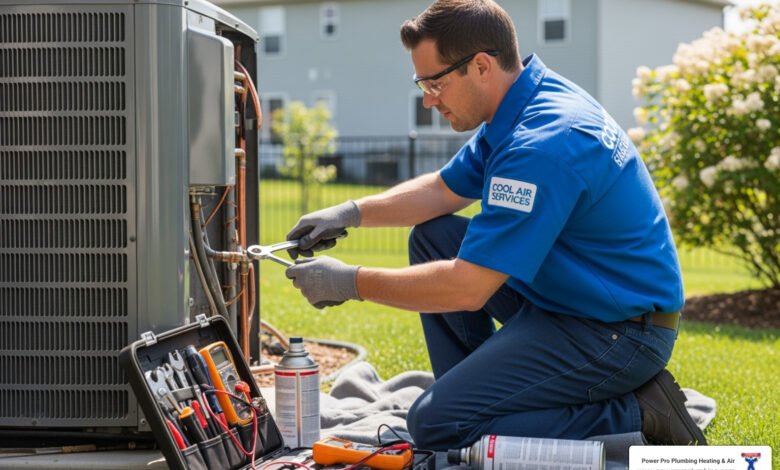
Introduction to AC Installation
Air conditioning installation is an essential process for ensuring indoor comfort, particularly in regions where high temperatures and humidity can significantly impact daily living and productivity. A properly installed air conditioning system not only cools indoor spaces effectively but also improves air quality, regulates humidity, and enhances overall comfort. While many homeowners focus on selecting the right air conditioning unit, the installation process itself is equally important in determining the system’s efficiency, durability, and long-term performance. Poor installation can lead to higher energy consumption, uneven cooling, frequent breakdowns, and reduced lifespan of the equipment. Therefore, understanding the key aspects of AC installation helps property owners make informed decisions and achieve optimal results from their investment.
Understanding Different Types of Air Conditioning Systems
Before proceeding with AC installation, it is important to understand the different types of air conditioning systems available, as each type is designed to meet specific needs and building layouts. Central air conditioning systems are commonly used in larger homes and commercial spaces, utilizing ductwork to distribute cool air evenly throughout the building. Ductless mini-split systems are ideal for homes without existing ductwork, offering flexibility and energy efficiency by allowing independent temperature control in different zones. Window units and portable air conditioners are suitable for smaller spaces or temporary cooling needs, though they may not provide the same level of efficiency or coverage as larger systems. Selecting the appropriate system depends on factors such as room size, building design, energy efficiency requirements, and budget considerations, all of which influence the overall effectiveness of the installation.
Importance of Professional AC Installation
Professional AC installation is crucial for ensuring that the system operates efficiently and safely. Experienced technicians have the knowledge and tools required to handle complex installation tasks, including electrical connections, refrigerant handling, and system calibration. They assess the property’s cooling requirements, recommend suitable equipment, and ensure that the installation complies with local building codes and manufacturer specifications. Improper installation can lead to issues such as refrigerant leaks, poor airflow, incorrect sizing, and increased energy consumption, which can significantly affect performance and reliability. By hiring qualified professionals, property owners can avoid these problems and ensure that their air conditioning system delivers consistent, efficient cooling for years to come.
Planning and Preparation for AC Installation
Proper planning and preparation are essential steps in the AC installation process. This includes evaluating the size and layout of the space to determine the appropriate cooling capacity, which is typically measured in British Thermal Units (BTUs). An undersized unit may struggle to cool the space effectively, while an oversized unit may cycle on and off frequently, leading to inefficiency and increased wear and tear. The installation site must also be prepared, ensuring adequate space for the indoor and outdoor units, proper ventilation, and accessibility for maintenance. Electrical requirements should be assessed to ensure that the system can be safely powered, and any necessary upgrades should be completed before installation begins. Thorough planning helps prevent delays, reduces the risk of complications, and ensures a smooth installation process.
Step-by-Step AC Installation Process
The AC installation process involves several key steps that must be executed with precision to achieve optimal performance. The first step is selecting and preparing the installation location for both the indoor and outdoor units, ensuring proper airflow and accessibility. The indoor unit is mounted securely, while the outdoor unit is placed on a stable surface, typically outside the building. Next, refrigerant lines, electrical wiring, and drainage pipes are installed to connect the indoor and outdoor components. These connections must be carefully sealed and insulated to prevent leaks and maintain efficiency. The system is then vacuumed to remove air and moisture from the refrigerant lines before charging with refrigerant according to manufacturer specifications. Once all components are connected and tested, the system is powered on and calibrated to ensure proper operation, including airflow, temperature control, and energy efficiency. A final inspection ensures that the installation meets safety and performance standards.
Energy Efficiency and Cost Considerations
Energy efficiency is a critical factor in AC installation, as it directly affects operating costs and environmental impact. Modern air conditioning systems are designed with advanced technologies that improve efficiency, such as inverter compressors, programmable thermostats, and energy-saving modes. The efficiency of an AC unit is often measured by its Seasonal Energy Efficiency Ratio (SEER) rating, with higher ratings indicating better performance and lower energy consumption. Proper installation also plays a significant role in efficiency, as poorly installed systems may experience air leaks, inadequate airflow, or incorrect refrigerant levels, all of which reduce performance. Investing in an energy-efficient system and ensuring professional installation can result in significant savings on utility bills over time while reducing the carbon footprint of the property.
AC installation can present several challenges that must be addressed to ensure successful operation. One common issue is incorrect sizing, which can lead to inefficient cooling and increased energy consumption. Poor placement of indoor or outdoor units can also affect airflow and performance, particularly if units are obstructed or exposed to extreme conditions. Improper sealing of refrigerant lines or inadequate insulation can result in leaks and reduced efficiency. Electrical issues, such as insufficient power supply or faulty wiring, can compromise safety and system reliability. Addressing these challenges requires careful planning, professional expertise, and adherence to best practices throughout the installation process. By anticipating potential issues and implementing appropriate solutions, property owners can ensure a smooth and effective installation.
Maintenance After Installation
Once the AC installation is complete, regular maintenance is essential to ensure long-term performance and efficiency. Routine tasks such as cleaning or replacing air filters, inspecting refrigerant levels, and checking electrical connections help prevent issues and maintain optimal operation. Periodic professional servicing is recommended to identify and address potential problems before they escalate into major repairs. Proper maintenance not only extends the lifespan of the air conditioning system but also ensures consistent cooling, improved air quality, and reduced energy consumption. Homeowners should also monitor system performance and address any unusual noises, reduced airflow, or temperature inconsistencies promptly to avoid further complications.
Benefits of Proper AC Installation
A properly installed air conditioning system provides numerous benefits that enhance comfort and convenience. Efficient cooling ensures that indoor spaces remain comfortable even during extreme weather conditions, while improved air circulation and filtration contribute to better indoor air quality. Energy-efficient systems reduce utility costs and environmental impact, making them a cost-effective and sustainable solution. Additionally, professional installation ensures that the system operates safely and reliably, minimizing the risk of breakdowns or hazards. The long-term durability of a well-installed AC system also provides peace of mind, as homeowners can rely on consistent performance without frequent repairs or replacements.
Selecting a qualified contractor is one of the most important decisions in the AC installation process. Homeowners should look for licensed and certified professionals with experience in installing a variety of air conditioning systems. Checking references, reading reviews, and verifying credentials helps ensure that the contractor is reliable and capable of delivering high-quality work. Transparent pricing, detailed estimates, and clear communication are also essential for a successful project. A reputable contractor will provide guidance on system selection, installation procedures, and maintenance requirements, ensuring that the homeowner receives a comprehensive solution tailored to their needs.
Conclusion
AC installation is a complex but essential process that significantly impacts the comfort, efficiency, and functionality of indoor spaces. From selecting the right system and planning the installation to ensuring proper execution and ongoing maintenance, each step plays a vital role in achieving optimal performance. Professional installation, combined with energy-efficient equipment and regular maintenance, ensures that the air conditioning system operates reliably and cost-effectively for years to come. By understanding the key aspects of AC installation and working with experienced professionals, property owners can create a comfortable and energy-efficient environment that enhances quality of life and protects their investment. Ultimately, a well-installed AC system is not just a convenience but a long-term solution for maintaining indoor comfort and efficiency in any setting.