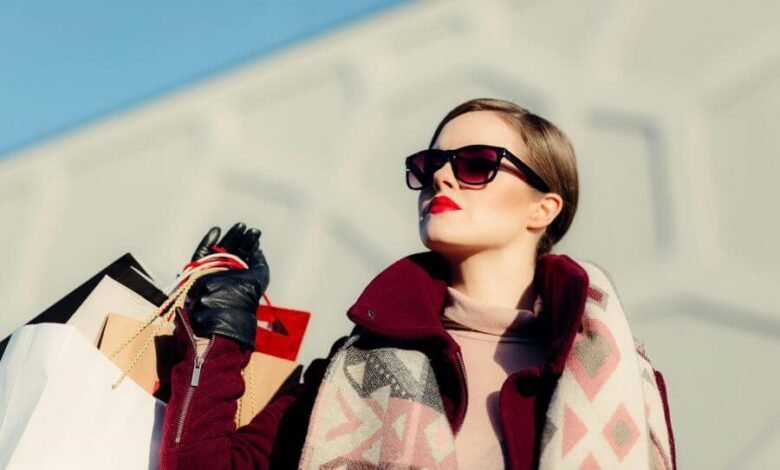
There is a photographic trick that has filled fashion product pages for years without almost anyone noticing it: the garment looks worn, shaped to a body, yet no one is inside it. Ghost mannequin photography, or the invisible mannequin effect, is the technique that gives volume and three-dimensionality to a garment by making the support it was shot on disappear. The result is a clean image, where attention falls exactly where it should: on the product.
There is a photographic trick that has filled fashion product pages for years without almost anyone noticing it: the garment looks worn, shaped to a body, yet no one is inside it. Ghost mannequin photography, or the invisible mannequin effect, is the technique that gives volume and three-dimensionality to a garment by making the support it was shot on disappear. The result is a clean image, where attention falls exactly where it should: on the product.
What Is Ghost Mannequin Photography
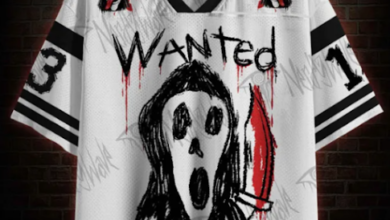
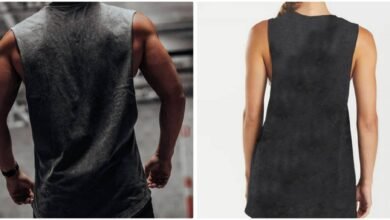
The principle is simple in theory and meticulous in practice. The garment is photographed on a mannequin, then in post-production the mannequin is removed while the shape it gave the item stays intact. The eye perceives a real volume, shoulders, sleeves, neckline, but the inner space remains empty. Hence the evocative name, the ghost effect. Unlike a plain photo of a garment laid flat, here the item keeps the structure it would have on a person, communicating fit and the way fabric falls with no model present. It is a widespread standard, especially for structured clothing: shirts, jackets, knitwear and outerwear.
Why Fashion Brands Use the Ghost Mannequin Effect
The main reason is control. With no face, pose or expression competing for the scene, the gaze settles entirely on the garment, its details and its form. For a catalogue this means consistency: hundreds of items shot with the same logic, the same angle, the same neutral background, building an orderly visual grid that conveys professionalism and makes products easy to compare. A consistent catalogue lowers friction while browsing and strengthens trust in the brand, two factors that bear directly on conversions. There is a practical advantage too: no release forms, no model management, no dependence on a specific person to keep an entire collection uniform.
How Ghost Mannequin Photography Works Step by Step
The process begins on set. The garment is placed on a mannequin, usually white or transparent, and styled in every fold before the main shot, the frontal one that captures the overall shape. A second capture follows for the inner details, the collar, the inside of the sleeves, the label, photographed separately with the fabric arranged to show what will be visible once the mannequin is gone. The decisive moment comes in post-production: the images are cut out and composited, removing the support and rebuilding the inner parts of the garment so it looks full and three-dimensional, yet hollow. The quality of the result depends almost entirely on the care taken in the final composition, more than on the shot itself. A good ghost mannequin is born in editing.
Equipment and Setup You Need
The heart of the set is the mannequin, ideally one that comes apart or unclips, so the sections to be rebuilt in post can be freed. Lighting should be soft and even, with two side softboxes balancing the shadows and rendering the true colours of the fabric, because any colour shift later turns into returns. A neutral background, white or light grey, makes cutting out easier. As for the camera, the lens matters more than the body: a medium fixed focal length avoids distorting the lines of the garment. A tripod is essential for perfectly aligning the multiple shots that will later be layered together.
Ghost Mannequin vs On-Model: Pros and Cons
The two routes answer different needs. Ghost mannequin costs less, is quick to arrange and offers a neutrality that flatters the garment, but it stays an abstract rendering: it does not show how the item lives on a real body, how it moves, how a size actually fits. On-model, the garment worn by a person, adds exactly that, context, emotion, real proportions, and is irreplaceable for conveying a brand’s style. In exchange it asks for bigger budgets, organising time, casting, locations and image-rights management. Many catalogues do not pick one or the other, but combine them: ghost mannequin for the consistency of the product page, on-model for the images that build desire.
AI Fashion Photography as a Modern Alternative
Then there is a third route, more recent, that rewrites the whole equation. Instead of photographing a mannequin and rebuilding it in post, or organising a shoot with real people, you start from a simple photo of the garment, even a flat-lay, and generate the worn image directly. AI fashion photography platforms turn the flat shot into a realistic on-model image, dressing digital models in the real garment and preserving its texture, stitching and prints. Solutions like On-Model, developed by PiktID for fashion e-commerce, exist precisely for this: converting existing photos into catalogue-ready visuals, swapping models across entire lines and multiplying variants without a new shoot. For anyone managing thousands of SKUs, it is a way to obtain on-model imagery while skipping both the mannequin and the photo session entirely.
Tips for Flawless Ghost Mannequin Results
Returning to the traditional technique, the difference between a mediocre ghost mannequin and a flawless one lies in the details of post-production. The cut-out must be precise to the pixel, with no frayed edges that give away the composite. The rebuilt inner parts, the back of the collar, the inside of a vent, need to be aligned with millimetre care to the rest of the garment, because the eye immediately catches an unnatural asymmetry. Shadows should not be stripped away altogether: a light inner shadow keeps the sense of volume and stops the image from looking flat and fake. A successful invisible mannequin effect is the one nobody notices, because the garment simply seems suspended, alive, ready to be worn. And it is this naturalness, built shot after shot and refined in editing, that makes the difference on a product page.