Maximizing the Performance, Durability, and Lifespan of Gutter Systems Through Proper Installation, Maintenance, and Material Selection

Gutter systems are an essential, yet often underestimated, component of any building’s infrastructure. They serve as the first line of defense against water damage, ensuring that rainwater is effectively collected from rooftops and directed away from the foundation. Without properly functioning gutter systems, even minor rainfall can lead to soil erosion, basement flooding, structural weakening, and damage to exterior surfaces and landscaping. Understanding the design, installation, materials, maintenance, and long-term benefits of gutter systems is critical for property owners seeking to protect their investments while optimizing the performance and durability of their buildings.
Gutter systems perform a vital role in safeguarding a property by controlling the flow of water and preventing it from causing damage to the foundation, walls, roof edges, and surrounding landscapes. When water is not adequately directed away from a building, it can seep into the soil surrounding the foundation, causing soil shifting, erosion, and even cracks in the foundation over time. Water damage to exterior walls and siding can result in peeling paint, rotting wood, and compromised insulation, which may increase energy costs and decrease the lifespan of the structure. Well-designed gutter systems mitigate these risks by collecting water efficiently, reducing the impact of weather elements, and preserving both structural integrity and aesthetic appeal.
Understanding Gutter Systems and Their Function
Gutter systems are engineered to capture rainwater as it runs off rooftops and direct it safely to designated drainage areas, preventing water accumulation near the foundation and surrounding areas. The efficiency of these systems depends on proper design, installation, and maintenance. Key components include the gutters themselves, which collect water; downspouts, which channel water away from the structure; and various connectors, brackets, and guards that ensure smooth operation. By directing water flow away from critical areas, gutter systems prevent damage to the roof edges, fascia boards, soffits, and landscaping, while also protecting the foundation and basement from flooding and moisture infiltration.
The performance of gutter systems is also influenced by roof type, pitch, and size, as well as local rainfall intensity and climate conditions. A properly sized and installed gutter system ensures that water is efficiently channeled during both light showers and heavy storms. Without careful consideration of these factors, water can overflow or pool, potentially causing significant structural damage over time. Therefore, it is essential to understand the relationship between the building’s roof design and the gutter system to maximize protection.
Types of Gutter Systems
Choosing the appropriate type of gutter systems is crucial to ensure both functionality and aesthetic appeal. There are several common styles, each offering distinct advantages and considerations:
K-Style Gutters
K-style gutters are among the most popular choices due to their flat back and bottom and decorative front edge that resembles crown molding. They are designed to hold more water than traditional rounded gutters and provide a modern look that complements most contemporary homes and buildings. K-style gutters are typically made of aluminum, copper, or steel, allowing for long-lasting performance and resistance to corrosion.
Half-Round Gutters
Half-round gutters have a smooth, semicircular design that offers a classic and elegant appearance. While they generally hold less water than K-style gutters, their shape reduces the likelihood of debris accumulation and clogs. Half-round gutters are often chosen for historic homes or buildings seeking a traditional aesthetic and can be fabricated from copper, aluminum, or galvanized steel for durability.
Seamless Gutters
Seamless gutter systems are custom-fabricated on-site to fit the exact dimensions of a building, which significantly reduces the risk of leaks at joints and seams. The continuous design enhances water flow efficiency, provides a sleek appearance, and minimizes maintenance requirements. Materials commonly used for seamless gutters include aluminum, copper, and steel, each offering a balance of durability, aesthetics, and longevity.
Box Gutters
Box gutters are larger, concealed systems often integrated directly into the roof structure. They are commonly found in commercial buildings or high-end residential projects, offering significant water-carrying capacity and handling heavy rainfall efficiently. Proper installation and maintenance are critical for box gutters to prevent overflow, blockages, and damage to the building.
Materials for Gutter Systems
The material of gutter systems plays a critical role in their durability, maintenance needs, and cost. Common materials include:
- Aluminum: Lightweight, resistant to rust, cost-effective, and available in a variety of finishes, aluminum gutters are one of the most widely used options. They are easy to install, low-maintenance, and can be painted to match the building exterior.
- Copper: Copper gutters provide a distinct, attractive appearance and excellent longevity. Over time, they develop a natural patina that adds character. Copper is highly resistant to corrosion but tends to be more expensive than other materials.
- Steel: Galvanized or stainless steel gutters offer robustness and durability, capable of withstanding heavy rainfall and snow accumulation. Steel may require occasional maintenance to prevent rust but provides long-lasting performance when properly cared for.
- Vinyl: Vinyl gutters are lightweight, easy to install, and inexpensive. However, they are more susceptible to cracking in extreme temperatures and generally have a shorter lifespan compared to metal options.
Installation Considerations
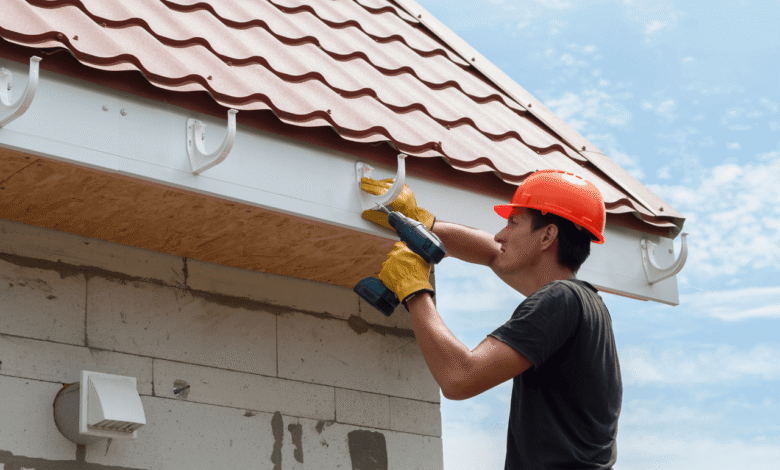
Proper installation is a fundamental factor in ensuring the effectiveness of gutter systems. The slope, positioning, and secure fastening of gutters and downspouts directly affect water flow and system longevity. Gutters must be installed with a slight pitch toward the downspouts, allowing gravity to carry water efficiently and prevent pooling, sagging, or overflow.
Downspouts should discharge water several feet away from the foundation to prevent soil erosion and basement flooding. Extensions or underground drainage systems may be necessary to safely manage water runoff. In addition, professional installation ensures that the gutters are securely attached, capable of withstanding wind, snow, and debris, and properly integrated with the roofline and fascia boards. Improper installation often leads to sagging gutters, leaks, and increased maintenance needs.
Maintenance of Gutter Systems
Routine maintenance is crucial for preserving the functionality and longevity of gutter systems. Leaves, dirt, twigs, and other debris can accumulate, causing blockages that prevent proper water flow. Regular inspections and cleaning are essential to avoid overflow, foundation damage, and other water-related problems.
Installing gutter guards or screens can reduce debris buildup and minimize the frequency of cleaning, but they do not eliminate the need for professional inspections. Maintenance also involves checking downspouts for obstructions, inspecting seams and joints for leaks, ensuring brackets and hangers are secure, and verifying that water is effectively directed away from the property. Neglecting maintenance can result in sagging, rust, leaks, and costly repairs over time.
Common Issues with Gutter Systems
Even well-installed gutter systems may encounter problems if not properly maintained or if they experience extreme weather. Common issues include:
- Clogging: Debris can block water flow, causing overflow and damage to roofing, siding, and foundations. Regular cleaning and gutter guards help prevent clogs.
- Leaking Joints: Joints and seams may develop leaks over time. Sealing or replacing damaged sections ensures continued efficiency.
- Sagging Gutters: Improper fastening or excessive weight from debris can cause gutters to sag, leading to uneven water flow and potential damage.
- Ice Dams: In colder climates, ice formation can block gutters and downspouts, causing water to back up under shingles or into the roof structure. Heated systems or proper insulation can prevent ice dams.
Benefits of Properly Maintained Gutter Systems
Properly designed and maintained gutter systems offer numerous benefits beyond simple water management. They protect the foundation from erosion and water infiltration, preserve landscaping and outdoor structures, extend the life of roofing materials, and reduce long-term maintenance costs. Additionally, they help prevent interior water damage, mold growth, and pest infestations that can result from stagnant water.
Well-maintained gutter systems also contribute to the aesthetic appeal of a property. Clean, functional gutters enhance the overall appearance of a building, while seamless or custom-designed gutters create a polished, professional look that complements the roofline and exterior finishes.
Choosing Professional Services for Gutter Systems
Engaging professional services for gutter systems,in Westchester County, NY ensures proper assessment, installation, and long-term maintenance. Experts can recommend the best materials and styles for specific building designs, climate conditions, and water flow requirements. Professional installation guarantees correct slope, secure attachment, and optimal downspout placement, maximizing the system’s performance and durability.
Professionals also provide guidance on preventive maintenance and potential upgrades, helping property owners avoid costly repairs and prolong the life of the gutter system. A well-planned, expertly installed gutter system enhances both the functionality and value of a property, offering peace of mind and long-term protection.
Conclusion
Gutter systems are an indispensable component of any property, providing crucial protection against water damage while enhancing structural integrity and aesthetic appeal. Selecting the right type, material, and installation method, combined with regular maintenance and inspections, ensures that gutter systems perform efficiently, last longer, and safeguard both residential and commercial properties. By investing in high-quality gutter systems and professional expertise, property owners can prevent costly damage, preserve landscaping, and extend the life of their roofs and foundations. Properly maintained gutter systems are more than just functional elements they are long-term investments that protect, preserve, and enhance the overall value and performance of a property.