From Ordinary to Exceptional: Creating a Visually Stunning and Slip-Resistant Poolside Experience with Advanced Pool Deck Pavers

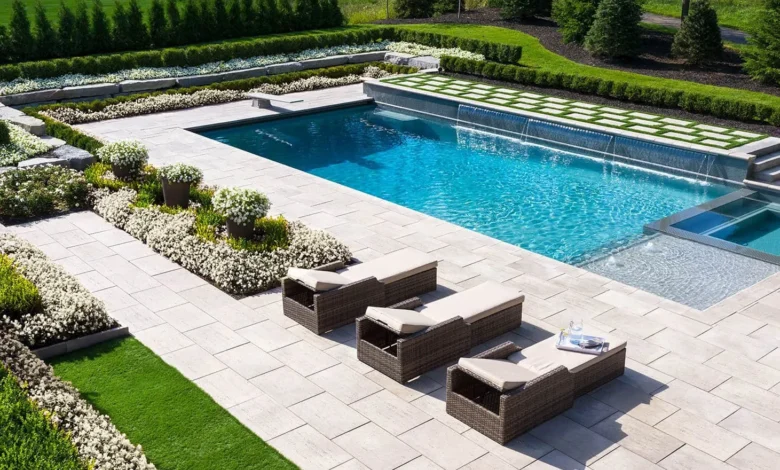
Creating a safe, attractive, and long-lasting outdoor pool area requires thoughtful planning and the right choice of materials. The space surrounding a pool is constantly exposed to water, sunlight, foot traffic, and changing temperatures, making durability and slip resistance essential factors. Among the most popular choices for modern outdoor spaces, pool deck pavers stand out for their combination of strength, aesthetic flexibility, and practical performance.
This detailed guide explores everything involved in designing and building a high-quality poolside surface. It covers material selection, installation techniques, design principles, safety considerations, and maintenance practices. Whether you are building a new pool area or upgrading an existing one, understanding these elements will help you achieve a visually appealing and long-lasting result.
Understanding the Importance of Poolside Surfaces
The area surrounding a pool is more than just a decorative feature it plays a crucial role in safety, comfort, and usability. A well-designed surface reduces slipping hazards, ensures proper drainage, and provides a comfortable walking area even during hot weather.
Unlike plain concrete, modular surface systems offer flexibility in design and repair. They allow individual components to be replaced if damaged, which makes long-term maintenance significantly easier. Additionally, they can be customized in terms of color, texture, and layout, allowing homeowners to create a cohesive outdoor environment.
Planning the Perfect Pool Area
Before beginning any construction work, careful planning is essential. The design of a poolside space should balance aesthetics with practicality. Start by evaluating the size and shape of the area, as well as how it will be used. Consider seating arrangements, walking paths, and sunbathing zones.
Drainage is one of the most important aspects of planning. Water should never pool around the edges of the swimming area, as this can create slippery conditions and structural issues. A slight slope away from the pool helps direct water flow efficiently.
Sun exposure is another factor to consider. Light-colored materials tend to reflect heat, keeping the surface cooler under direct sunlight. This improves comfort, especially in warm climates.
Selecting the Right Materials
Material choice significantly affects the performance and appearance of a poolside surface. Concrete, brick, and natural stone are among the most commonly used options, each offering distinct advantages.
Concrete surfaces are versatile and cost-effective, making them a popular choice for modern designs. Brick provides a classic and timeless appearance, while natural stone delivers a luxurious and organic aesthetic.
One of the most widely used solutions in contemporary outdoor design is pool deck pavers. These modular units offer superior durability, slip resistance, and design flexibility. They are specifically engineered to withstand constant exposure to water and temperature changes while maintaining their structural integrity. Their interlocking design also allows for efficient drainage, reducing the risk of standing water around the pool.
When selecting materials, it is important to consider slip resistance, heat absorption, and long-term durability. A textured surface is often preferred for safety, as it provides better grip when wet.
Preparing the Ground for Installation
A strong foundation is the key to a successful outdoor surface. Without proper preparation, even high-quality materials can shift, crack, or settle unevenly over time.
The process begins with excavation. The soil must be removed to the appropriate depth based on the intended use and load requirements. All organic material, debris, and loose soil should be cleared completely.
Once excavated, the ground is compacted to create a stable base. A layer of crushed stone is then added to provide structural support and improve drainage. This layer should be compacted in stages to ensure maximum stability.
On top of the base layer, a bedding layer of sand is applied. This allows for fine adjustments during installation and helps create a smooth, level surface for the final layout.
Installation Process Explained
Once the base is prepared, the installation phase begins. Precision and consistency are essential during this stage to ensure a professional finish.
The layout is typically started from one edge and extended outward. Each unit is carefully placed according to the chosen pattern, ensuring even spacing and alignment. A rubber mallet is often used to gently adjust each piece into position.
Maintaining consistent joint spacing is important for both aesthetics and structural performance. Once all units are in place, edge restraints are installed to prevent shifting and maintain the integrity of the design.
Jointing material is then spread across the surface and swept into the gaps. This locks the system together and improves stability. A final compaction step ensures everything is firmly set in place.
Design Considerations for Visual Appeal
A well-designed pool area should complement the surrounding environment while also enhancing the overall outdoor experience. Color coordination plays a major role in achieving a cohesive look. Neutral tones are often used for a modern appearance, while warmer shades create a more natural and inviting atmosphere.
Patterns can also influence the visual impact of the space. Herringbone, basket weave, and linear layouts are popular choices, each offering a different aesthetic effect. Borders and contrasting accents can be used to define edges and add depth to the design.
Lighting is another important element. Soft ground lighting can enhance safety during nighttime use while also highlighting the beauty of the layout.
Safety and Comfort Around the Pool
Safety should always be a top priority in any poolside design. Surfaces must remain slip-resistant even when wet. Textured finishes and properly spaced joints help improve traction and reduce the risk of accidents.
Heat resistance is also important. Some materials can become uncomfortably hot under direct sunlight, making barefoot walking difficult. Choosing lighter colors and heat-resistant materials helps maintain a comfortable surface temperature.
Proper drainage ensures that water does not accumulate in dangerous areas. This not only improves safety but also extends the lifespan of the surface by preventing water-related damage.
Maintenance and Long-Term Care
Regular maintenance is essential to preserve both the appearance and functionality of any outdoor surface. Routine cleaning helps prevent dirt buildup, algae growth, and staining.
One of the key advantages of pool deck pavers is their ease of maintenance. Unlike continuous concrete slabs, individual units can be replaced if damaged, without disturbing the entire surface. This makes repairs simple and cost-effective.
Sealing the surface can provide additional protection against moisture and fading. It also enhances color vibrancy and makes cleaning easier. Periodic inspection of joints and edges ensures that everything remains stable and secure over time.
Weeds or moss may occasionally appear between joints, but these can be controlled with proper jointing materials and regular cleaning.
Common Mistakes to Avoid
Several common mistakes can compromise the quality of a poolside project. One of the most frequent issues is inadequate base preparation. Without a properly compacted foundation, the surface may shift or sink over time.
Poor drainage planning is another major problem. If water is not directed away efficiently, it can accumulate and create slippery or unstable conditions.
Incorrect installation techniques, such as uneven spacing or insufficient edge restraints, can also lead to long-term structural issues. Taking the time to follow each step carefully is essential for achieving a durable and visually appealing result.
Environmental and Practical Benefits
Modern outdoor surface systems offer several environmental advantages. Many designs allow water to drain naturally through the joints, reducing runoff and promoting groundwater recharge. This makes them a more sustainable option compared to solid concrete surfaces.
Additionally, modular systems reduce waste because individual components can be replaced rather than removing the entire structure. This contributes to lower long-term environmental impact.
From a practical perspective, these systems are also highly adaptable. They can be expanded, redesigned, or repaired with minimal disruption.
A well-designed pool area can significantly enhance the overall outdoor living experience. It becomes a space for relaxation, entertainment, and family gatherings. By carefully selecting materials, colors, and patterns, homeowners can create a cohesive environment that blends seamlessly with the surrounding landscape.
Final Thoughts
Designing and building a durable poolside surface requires attention to detail, proper planning, and high-quality materials. Every stage excavation to finishing touches plays a vital role in ensuring long-term performance and safety.
By investing in well-constructed surfaces and following best practices, you can create an outdoor area that is both beautiful and functional. With the right approach, pool deck pavers provide an excellent solution for achieving a stylish, safe, and durable pool environment that enhances your property for years to come.
Furniture placement, shading structures, and decorative elements further contribute to the atmosphere. The goal is to create a balanced space that is both functional and visually appealing.