Wireless Charger vs Portable Charger: Which Charging Solution Is Best for Modern Devices?

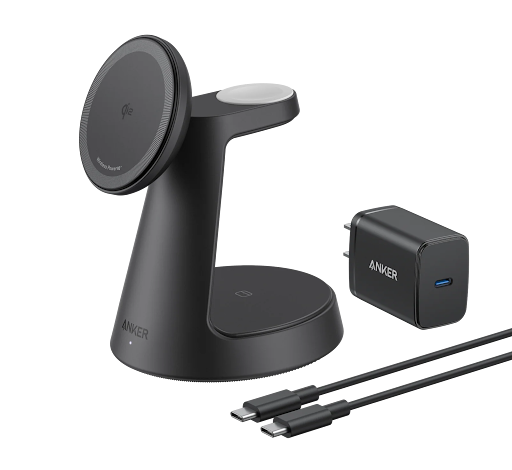
In today’s fast-paced digital world, keeping devices charged has become a daily necessity. Smartphones, smartwatches, earbuds, and tablets are essential tools for communication, work, and entertainment. Because of this constant usage, people are always searching for convenient ways to keep their devices powered. Two of the most popular charging solutions are the wireless charger and the portable charger.
Both technologies offer unique benefits and are designed to solve different charging problems. While one focuses on convenience and minimal cable usage, the other is built for mobility and power on the go. Understanding the differences between these two charging options can help users choose the right solution for their daily needs.
What Is a Wireless Charger?
A wireless charger is a charging device that powers compatible electronics without the need for a physical cable connection. Instead of plugging a cable into your phone, you simply place the device on a charging pad or stand. The charger transfers power using electromagnetic induction.
Wireless charging technology has become increasingly popular in modern smartphones and accessories. Many flagship devices now support Qi wireless charging, which allows users to power their devices quickly and easily.
One of the biggest advantages of a wireless charger is convenience. Instead of dealing with tangled cables or worn-out charging ports, users can simply place their device on the charging surface. This makes it ideal for desks, bedside tables, or office environments.
Another benefit is reduced wear and tear on charging ports. Constant plugging and unplugging of cables can damage a device’s charging port over time. Using a wireless charger eliminates this issue and can extend the life of your device.
Benefits of Using a Wireless Charger
Wireless charging offers several advantages that make it a popular choice for modern users.
First, it provides a clutter-free charging experience. Without cables scattered around your desk, the setup looks cleaner and more organized. Many people prefer wireless charging stations because they give a more minimalist appearance.
Second, it is extremely easy to use. You simply place your phone or device on the charging pad, and the charging process begins automatically. There is no need to connect any cables.
Third, wireless chargers often support multiple devices. Some models allow users to charge smartphones, earbuds, and smartwatches at the same time. This makes them ideal for people who own multiple smart devices.
Finally, wireless chargers are becoming faster and more efficient as technology improves. Modern wireless chargers can deliver high charging speeds while maintaining safe power levels.
What Is a Portable Charger?
A portable charger, often called a power bank, is a battery-powered device that stores electrical energy and allows users to charge their devices anywhere. Unlike a wireless charger, which requires a power outlet, a portable charger works independently.
Portable chargers are extremely useful for travelers, students, and professionals who spend long hours away from home or office outlets. By carrying a portable charger, users can recharge their devices whenever needed.
Most portable chargers contain high-capacity lithium batteries that can store enough power to charge a smartphone multiple times. They usually come with USB ports that allow users to connect charging cables for different devices.
Because of their portability and flexibility, portable chargers have become essential accessories for people who rely heavily on their smartphones.
Advantages of Using a Portable Charger
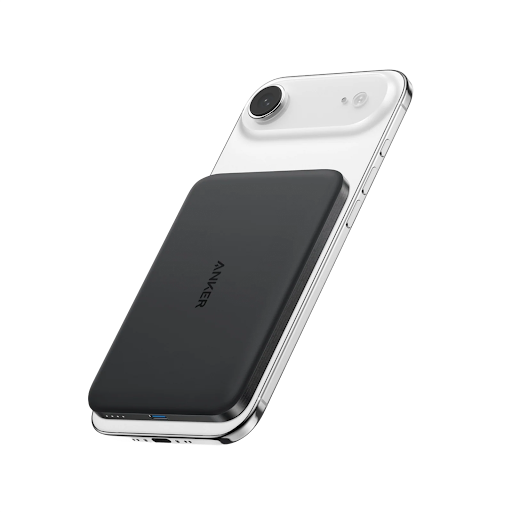
The biggest advantage of a portable charger is mobility. Users can charge their devices anywhere without needing access to a wall outlet. This makes it perfect for travel, outdoor activities, or emergencies.
Another major benefit is battery capacity. Many portable chargers are capable of charging devices multiple times before needing to be recharged themselves. This ensures that your phone remains powered throughout the day.
Portable chargers are also compatible with a wide range of devices. Smartphones, tablets, Bluetooth headphones, cameras, and other gadgets can all be powered using a portable charger.
In addition, modern portable chargers support fast charging technologies that significantly reduce charging time. This makes them highly efficient for people with busy schedules.
Wireless Charger vs Portable Charger
When comparing a wireless charger and a portable charger, it is important to understand their main purposes.
A wireless charger is best suited for stationary environments such as homes or offices. It offers convenience and simplicity for daily charging routines. Users can simply place their devices on the charging pad and continue with their tasks.
On the other hand, a portable charger is designed for mobility. It ensures that users can keep their devices powered even when they are away from electrical outlets.
Wireless chargers focus on convenience, while portable chargers focus on flexibility. Many people choose to use both solutions depending on their needs.
For example, a wireless charger may be used at home or on a work desk, while a portable charger can be carried in a bag for travel or commuting.
Choosing the Right Charging Solution
Selecting between a wireless charger and a portable charger depends on your lifestyle and device usage.
If you spend most of your time at home or in the office, a wireless charger may be the ideal solution. It offers a simple and cable-free charging experience that keeps your workspace clean and organized.
However, if you frequently travel or spend long hours outside, a portable charger is a better option. It ensures that your devices remain powered even when no power outlet is available.
Some users even combine both technologies for maximum convenience. They use a wireless charger for everyday charging and carry a portable charger for emergencies.
The Future of Charging Technology
Charging technology continues to evolve rapidly. Manufacturers are constantly working on improving efficiency, charging speed, and device compatibility.
Wireless charging is becoming more advanced with faster charging capabilities and multi-device charging stations. Meanwhile, portable chargers are becoming more compact while offering larger battery capacities.
In the near future, we may see even more innovative charging solutions, including long-distance wireless charging and ultra-fast portable power banks.
These developments will make it easier than ever to keep devices powered throughout the day.
Conclusion
Both the wireless charger and the portable charger have become essential tools for modern device users. Each solution offers unique advantages depending on how and where devices are used.
A wireless charger provides convenience, simplicity, and a cable-free charging experience. Meanwhile, a portable charger offers mobility, flexibility, and reliable power on the go.
By understanding the benefits of each option, users can choose the charging solution that best fits their lifestyle. Whether at home, at work, or traveling, these technologies ensure that devices stay powered whenever they are needed.