The Hidden Lifeline of Your Laundry Room: Why Proper Dryer Maintenance Matters More Than You Think

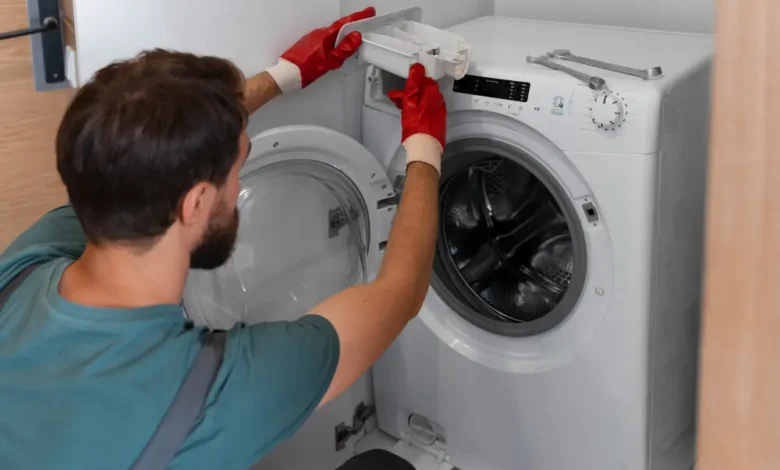
When people think about household maintenance, their minds often jump to visible tasks like cleaning floors, repainting walls, or fixing leaky faucets. Yet, one of the most overlooked aspects of home care lies quietly behind a common appliance: the dryer. While it may seem like a simple machine designed to make life easier, your dryer depends heavily on an often-neglected component: the vent system. Understanding the importance of maintaining this system can save you money, protect your home, and improve efficiency in ways you might not expect.
At the heart of this conversation is dryer vent cleaning, a task that goes far beyond simple upkeep. It is a crucial practice that directly impacts safety, performance, and energy consumption. Many homeowners underestimate how quickly lint and debris can accumulate inside a vent, gradually creating a serious hazard over time.
The Anatomy of a Dryer Vent System
To understand why maintenance matters, it helps to know how a dryer vent system works. When you run your dryer, hot air circulates through your clothes, extracting moisture and carrying it away through a vent. This vent typically leads outside your home, releasing heat, moisture, and tiny particles of lint.
Although dryers have lint traps, they are not perfect. A significant amount of lint escapes and travels into the ductwork. Over time, this lint accumulates along the inner walls of the vent, narrowing the passage and restricting airflow. This buildup is where problems begin.
The Risks of Ignoring Vent Maintenance
One of the most serious consequences of neglecting your vent system is the increased risk of fire. Lint is highly flammable, and when it collects in a confined space exposed to heat, it creates an ideal environment for ignition. Even a small spark or excessive heat buildup can trigger a dangerous situation.
In addition to fire hazards, clogged vents can cause your dryer to overheat. When airflow is restricted, heat cannot escape efficiently, forcing the appliance to work harder and longer to dry clothes. This not only shortens the lifespan of your dryer but also leads to higher energy bills.
Another often overlooked issue is moisture buildup. When vents are blocked, humid air cannot exit properly, which may lead to mold growth in surrounding areas. This can affect indoor air quality and potentially cause health issues for those living in the home.
Efficiency and Cost Savings
A well-maintained dryer vent system ensures that your appliance operates at peak efficiency. When air flows freely, clothes dry faster, reducing the time and energy required for each cycle. This translates into noticeable savings on utility bills over time.
On the other hand, a clogged vent forces the dryer to run longer cycles, consuming more electricity or gas. Over months and years, these extra costs can add up significantly. Regular dryer vent cleaning is a simple yet effective way to avoid unnecessary expenses while keeping your appliance running smoothly.
Signs Your Dryer Vent Needs Attention
Many homeowners are unaware of the warning signs that indicate a problem with their dryer vent. Recognizing these signals early can prevent more serious issues down the line.
If your clothes take longer than usual to dry, it could be a sign of restricted airflow. Similarly, if your dryer feels excessively hot to the touch or the laundry room becomes unusually warm during operation, these are clear indicators that heat is not escaping properly.
Another common sign is a burning smell during use. This should never be ignored, as it may indicate lint buildup nearing a dangerous level. Additionally, if you notice lint accumulating around the dryer vent opening outside your home, it may be time to consider dryer vent cleaning before the problem escalates.
How Often Should You Clean Your Dryer Vent?
The frequency of maintenance depends on several factors, including how often you use your dryer, the size of your household, and the type of laundry you typically dry. For example, homes with pets may experience faster lint buildup due to hair and fibers.
As a general guideline, it is recommended to inspect and clean your dryer vent at least once a year. However, if you notice any of the warning signs mentioned earlier, you should address the issue immediately rather than waiting for a scheduled maintenance interval.
Regular dryer vent cleaning not only prevents hazards but also ensures that your dryer continues to perform efficiently throughout its lifespan.
DIY vs. Professional Cleaning
Some homeowners choose to clean their dryer vents themselves using basic tools like brushes and vacuum attachments. While this can be effective for minor buildup, it may not reach deeper sections of the vent system, especially if the ductwork is long or has multiple bends.
Professional services, on the other hand, use specialized equipment designed to thoroughly remove lint and debris from the entire system. They can also identify potential issues such as damaged ducts or improper installation that may contribute to recurring problems.
Deciding between DIY and professional cleaning depends on your comfort level and the complexity of your vent system. In many cases, a combination of routine self-maintenance and periodic professional servicing provides the best results.
The Environmental Impact
Maintaining your dryer vent is not just about safety and cost—it also has environmental benefits. An efficient dryer consumes less energy, reducing your household’s overall carbon footprint. By ensuring that your appliance operates optimally, you contribute to energy conservation and sustainability efforts.
Small actions like this, when adopted widely, can have a meaningful impact on reducing energy consumption at a larger scale. It is a reminder that responsible home maintenance extends beyond personal convenience and plays a role in environmental stewardship.
Extending the Life of Your Appliance
Appliances are a significant investment, and extending their lifespan is always a smart financial decision. When a dryer operates under strain due to restricted airflow, its components wear out more quickly. Motors, heating elements, and thermostats are all affected by excessive heat and prolonged operation.
By keeping the vent system clean, you reduce stress on these components, allowing your dryer to function reliably for years to come. This not only saves money on repairs but also delays the need for replacement, adding further value to regular maintenance.
Improving Indoor Air Quality
A clogged dryer vent can negatively affect indoor air quality in ways that are not immediately obvious. When airflow is restricted, lint and moisture may find alternative paths into your home. This can introduce dust, allergens, and humidity into the air you breathe.
Over time, this can lead to discomfort and potential health concerns, particularly for individuals with respiratory conditions. Ensuring proper ventilation through regular dryer vent cleaning helps maintain a healthier indoor environment for you and your family.
Common Misconceptions
There are several misconceptions surrounding dryer maintenance that can lead to neglect. One common belief is that cleaning the lint trap after each use is sufficient. While this is an important habit, it only addresses a portion of the problem.
Another misconception is that newer dryers do not require vent maintenance. Regardless of the model or age of your appliance, lint accumulation is inevitable. Even high-efficiency dryers depend on clear vent systems to function properly.
Understanding these misconceptions is key to adopting a more proactive approach to maintenance.
Practical Tips for Ongoing Maintenance
In addition to scheduled cleanings, there are simple steps you can take to keep your dryer vent in good condition. Always clean the lint trap before or after each load to minimize the amount of lint entering the vent system.
Periodically check the vent opening outside your home to ensure it is not blocked by debris, nests, or other obstructions. Make sure the vent cover opens freely when the dryer is running and closes properly when it is not in use.
Using the correct type of duct material is also important. Flexible plastic or foil ducts can trap more lint and are more prone to damage. Rigid or semi-rigid metal ducts are generally recommended for better airflow and durability.
In the grand scheme of home maintenance, taking care of your dryer vent may seem like a minor task. However, its impact is anything but small. From preventing fires to improving efficiency and extending the life of your appliance, the benefits are substantial.
By making dryer vent cleaning a regular part of your home care routine, you invest in safety, savings, and peace of mind. It is a simple step that pays off in multiple ways, ensuring that your laundry routine remains convenient and worry-free.
Final Thoughts
Home maintenance is often about addressing what we cannot see as much as what we can. The dryer vent system is a perfect example of this principle. Hidden behind walls and appliances, it quietly performs a vital function that supports your daily life.
Ignoring it can lead to serious consequences, while maintaining it brings a range of benefits that enhance both safety and efficiency. With a little attention and consistency, you can keep your dryer running smoothly and your home protected from unnecessary risks.
Ultimately, the key is awareness. Once you understand the importance of this often-overlooked system, it becomes clear that proper care is not optional—it is essential.