The Growing Importance and Practical Benefits of Office Trailers in Modern Worksite Operations

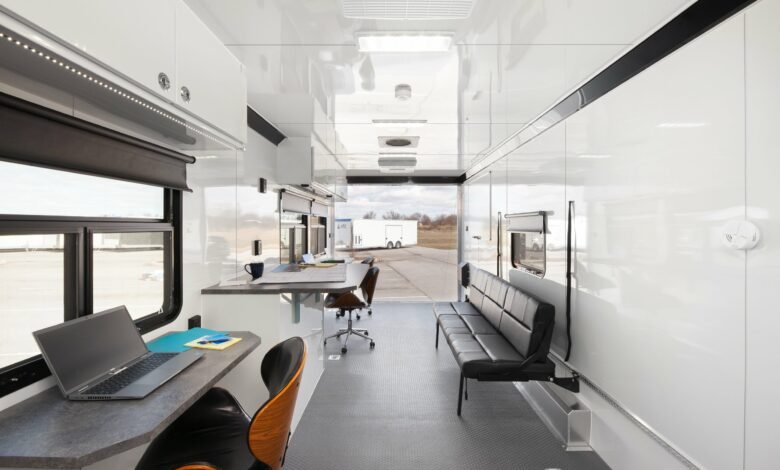
Office trailers have become an essential part of modern temporary workspace solutions, especially in industries where mobility, flexibility, and fast deployment are critical. These structures provide fully functional office environments that can be transported, installed, and used in a wide range of project-based settings. From construction management to emergency operations and event coordination, they serve as reliable workspaces that support productivity without requiring permanent buildings. The increasing demand for adaptable infrastructure has made office trailers a practical alternative to traditional office spaces, especially when operations are temporary, remote, or constantly changing.
Understanding the Concept and Structure of Mobile Workspaces
The idea behind office trailers is based on creating a fully equipped and movable office environment that can function independently in temporary or remote locations. Unlike conventional buildings, these units are prefabricated and designed for quick installation, allowing organizations to establish operational headquarters within a short time frame. They are typically constructed using durable materials such as steel frames, insulated panels, and weather-resistant exterior coatings to ensure long-term usability even under challenging environmental conditions.
Inside, these units are designed to replicate the essential features of a standard office. They often include electrical wiring, lighting systems, air conditioning or heating units, insulated walls, flooring, windows, and office partitions. This makes them suitable for administrative work, project coordination, meetings, and communication tasks. The flexibility in design allows customization based on the specific needs of different industries, ensuring that each unit can be tailored for efficiency and comfort.
One of the key strengths of this concept is mobility. Since these structures are built on trailer chassis or modular platforms, they can be transported easily from one location to another. This allows companies to relocate their workspaces as project sites change, reducing downtime and maintaining operational continuity. In industries where projects are spread across multiple locations or where temporary setups are common, this mobility is a significant advantage.
Key Advantages of Mobile Office Infrastructure
One of the most important benefits is cost efficiency. Constructing permanent office buildings requires significant investment in land, materials, labor, and long-term maintenance. In contrast, mobile office solutions eliminate many of these expenses by providing a ready-to-use workspace that can be rented or purchased at a fraction of the cost. This makes them particularly appealing for businesses operating on limited budgets or short-term projects.
Another major advantage is speed of deployment. Traditional office construction can take months or even years to complete, whereas these mobile units can be delivered and set up within days. This rapid availability ensures that operations can begin quickly without delays caused by infrastructure development. For industries that rely on tight schedules, this speed is a critical factor in maintaining productivity.
Flexibility is another key benefit. These units can be expanded, combined, or modified depending on the size and requirements of the project. Whether a small single-unit office or a large multi-section workspace is needed, the modular nature of the design allows for easy adaptation. Additional features such as meeting rooms, storage areas, restrooms, and break rooms can also be integrated as needed.
Comfort and functionality are also prioritized in modern designs. Despite being temporary structures, they are equipped with insulation, ventilation, and ergonomic layouts to ensure a comfortable working environment. This helps maintain employee productivity and satisfaction even in remote or challenging locations.
Practical Applications Across Industries
The versatility of office trailers allows them to be used in a wide range of industries and scenarios. In the construction sector, they are commonly used as site offices where project managers, engineers, and supervisors coordinate daily activities. These units serve as central hubs for planning, documentation, and communication, ensuring that construction projects run smoothly and efficiently.
In infrastructure development projects such as roads, bridges, and utilities, these mobile offices play a similar role. They provide a dedicated workspace close to the project site, allowing teams to monitor progress, manage resources, and respond quickly to any issues that arise. This proximity to the worksite improves coordination and reduces delays caused by travel or communication gaps.
Event management is another area where these mobile units are widely used. Large-scale events such as exhibitions, festivals, and sports tournaments require temporary administrative spaces for organizers, security teams, and logistics coordinators. These units provide a centralized location for managing operations, storing documents, and coordinating activities throughout the event.
Emergency response and disaster recovery operations also benefit significantly from mobile office solutions. In situations where infrastructure has been damaged or destroyed, these units can be deployed quickly to serve as command centers for relief coordination. They provide essential workspace for government agencies, humanitarian organizations, and emergency responders, enabling efficient communication and decision-making during critical situations.
In addition, industrial and mining operations often rely on these mobile structures in remote areas where permanent buildings are not feasible. They provide essential administrative support for managing large-scale operations in isolated environments, ensuring that teams remain organized and connected.
Installation, Setup, and Operational Considerations
The installation process for mobile office units is designed to be straightforward and efficient. It typically begins with site preparation, which involves ensuring that the ground is level and capable of supporting the structure. Once the site is ready, the unit is transported and positioned using specialized equipment. After placement, utility connections such as electricity, water, and internet are established to make the workspace fully functional.
Stability and safety are important considerations during setup. The units must be properly secured to prevent movement or shifting, especially in areas with high winds or uneven terrain. Anchoring systems or stabilizing supports are often used to ensure structural integrity. Proper installation ensures that the workspace remains safe and functional throughout its usage period.
Operational efficiency also depends on proper interior planning. Workspaces must be arranged in a way that supports productivity and minimizes clutter. This includes designated areas for workstations, meetings, storage, and equipment. Proper ventilation and lighting are essential for maintaining a comfortable environment, especially during long working hours.
Safety compliance is another important factor. Electrical systems must meet safety standards, and emergency exits should be clearly marked and accessible. Fire safety equipment such as extinguishers and alarms should also be installed to ensure occupant safety.
Maintenance, Durability, and Long-Term Use
Although designed for temporary use, these mobile office units are built to withstand long-term operation under various environmental conditions. Regular maintenance is necessary to ensure continued performance and safety. This includes inspecting structural components, cleaning interiors, checking electrical systems, and maintaining climate control equipment.
Durability depends largely on the quality of materials used in construction. High-quality insulation, corrosion-resistant frames, and weatherproof exterior coatings help extend the lifespan of the unit. Proper care and maintenance can significantly increase usability over time, making them a reliable long-term investment.
Storage and transportation also play an important role in preserving condition. When not in use, units should be stored in safe environments to prevent damage from weather exposure or physical impact. During transport, secure handling is essential to avoid structural stress or wear.
From a financial perspective, mobile office solutions offer strong long-term value. Since they can be reused across multiple projects, the initial investment is distributed over time, reducing overall operational costs. This makes them a cost-effective solution for organizations that frequently require temporary workspace setups.
Evolving Role in Modern Work Environments
The role of mobile workspaces continues to expand as industries become more dynamic and project-based. Organizations are increasingly seeking flexible infrastructure solutions that can adapt to changing work environments without requiring permanent construction. Office trailers have evolved to meet these needs by offering improved comfort, better design, and enhanced functionality.
Technological integration has further enhanced their capabilities. Many modern units now include high-speed internet connectivity, smart climate control systems, and advanced security features. These improvements make them suitable for more complex administrative and operational tasks.
Sustainability is also becoming an important consideration. Reusable and mobile infrastructure reduces the need for permanent construction, helping minimize environmental impact. This aligns with growing global emphasis on sustainable development and resource efficiency.
Conclusion
In conclusion, office trailers represent a highly practical and efficient solution for temporary workspace needs across a wide range of industries. Their mobility, cost-effectiveness, and adaptability make them ideal for construction projects, industrial operations, event management, and emergency response situations. With proper installation, maintenance, and planning, they provide a reliable and comfortable working environment that supports productivity in even the most challenging conditions. As the demand for flexible infrastructure continues to grow, these mobile office solutions will remain an essential part of modern operational strategies, offering organizations the ability to work efficiently without the limitations of permanent construction.