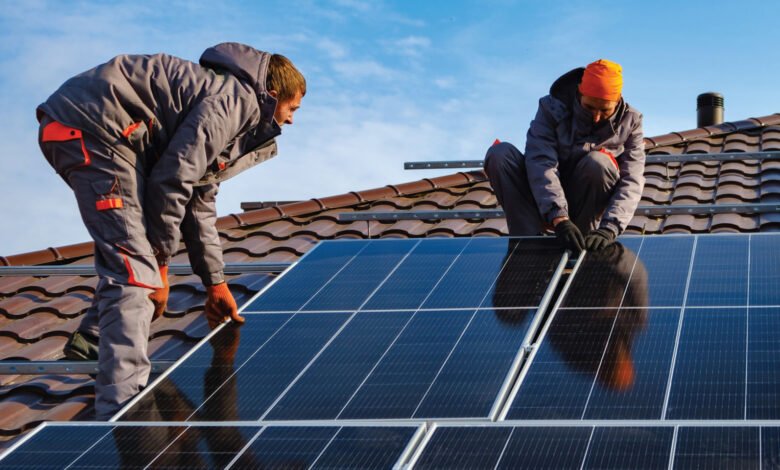
Switching from traditional electricity to using solar power is not only a good choice for the planet but also a smart choice financially for homeowners or businesses to make now as well. However, the actual decision about what type of solar system to install (i.e., which vendor to purchase from) is almost completely reliant on understanding the characteristics of their potential vendor and how to choose one that will meet their needs. There are many competing vendors in the marketplace who make similar claims about the performance of their equipment and provide comparable estimates in terms of what it will cost over time for you to use their equipment vs. conventional electricity. To facilitate this comparison, this article will explain how to identify potential vendors, the types of information you need to gather about each vendor to make a decision, and why it is important to gather that information before making a purchase.
Start with reputation and track record
Start by checking how many years a company’s been around along with feedback from people who’ve used their services. Trust tends to grow when you see real proof – like dozens of installations logged over time and similar thoughts shared on different sites – not just new names popping up overnight with loud ads. Sticking around in solar isn’t easy, so those lasting several seasons have handled ups and downs while keeping clients okay with results. Time spent in this field often reveals more than any slogan ever could.
Later on, problems often pop up long after solar panels are installed. Look carefully at what customers say regarding help they get afterward. If a provider vanishes once payment is done, trouble usually follows. Support matters just as much when the sun isn’t shining.
Verify licensing, certifications, and insurance
All real solar installers should have all required state and local licenses in your state. Aside from state/local licenses, check that installers are certified by North American Board of Certified Energy Practitioners; this is considered the “industry’s gold standard.” The certification is proof that they’ve received extensive training and adhere to standards of practice.
Insurance is another thing you cannot go without. Insist on general liability as well as workers compensation coverage. If an accident is to happen at your property, and the company is not insured, you could be held liable.
Understand what products they actually use
Solar panels and inverters are not created equal. A reliable company will disclose the brands and models that they are installing and their efficiency ratings and also their warranty on the efficiency decay rate. Less efficient, or “cheap” panels may offer immediate savings but will decrease in efficiency faster than more expensive panels, nullifying any long-term cost savings.
Ask about inverter technology. While many String inverters perform adequately, microinverters or power optimizers will perform significantly better in partially shaded roofs and generally offer more features than the old traditional String inverters. A company that can explain this clearly and confidently is a company that trusts their customer not to be an idiot.
Evaluate their energy assessment process
A reputable solar company will not give you a price without a thorough site energy analysis. This includes assessing your utility bills, looking at your roof’s pitch and azimuth, taking into account tree cover and adjacent buildings for shadows, and taking your specific energy usage.
If you are quoted a price over the phone in under five minutes without this process, then be warned. Proper system sizing is the first step to getting the system you were promised.
Compare financing options carefully
There are many financing options associated with solar installations including purchasing the system out of pocket, acquiring solar loans, leasing the system, or a power purchase agreement, all of which impact ownership, benefits and lifetime value of the system differently.
When purchasing your system you can benefit from all incentives available at both federal (the ITC is currently 30%) and state levels. A quality provider will discuss all options without pushing you to one solution they can get the most money out of.
Ask about warranties and what they actually cover
Typically there are 3 warranties included in a solar installation: equipment, which applies to the panels and inverter, workmanship, for the installation itself and performance. It’s essential to know the distinction between the 3.
Manufacturers typically include 25 year warranties for the product and performance of the panels. The workmanship warranty is the one that is the responsibility of your installer and varies a lot, so be sure to obtain it in writing before signing.
Look for a company invested in long-term relationships
The very best solar companies are not just selling you a piece of hardware. They are entering into a long-term relationship with you, the customer. That is, they will not only be providing you with on-going monitoring of your solar system’s performance, they will be actively contacting you if and when something is not operating up to par, and they will be available to provide support and answer any questions you may have, even years later.
This is precisely what HighJoule seems committed to. The energy performance-customer outcome–focus of HighJoule demonstrates what the best in the solar industry truly represents, and how a long-term company partner is able to transform a homeowner’s experience with solar.
Get multiple quotes and trust your instincts
It is not optional, but mandatory to shop around. Three estimates will provide you with tangible data on pricing, equipment and professionalism from each company. The most reputable companies will not try to intimidate you into selecting them over your research.
Trust your gut when the sales pitch begins; if a company can be sloppy with communication, chances are they can be sloppy with installation too. You are making an investment for 25 years, do not settle for less..
FAQs
Here are six key things you need to know about going solar:
1. What signs show a solar provider runs an honest business?
A solid solar installer shows a current state license along with proper certifications for setup work. Proof of coverage through insurance comes standard, plus records showing past projects completed. Experience matters – look for someone who has handled homes, businesses, and factories alike. Feedback from various customers gives a clearer picture of what to expect.
2. What should I ask before hiring a solar contractor?
Years matter when checking a contractor’s experience – more time usually means more reliability. Solar panel and inverter brands they use? That detail tells you about quality choices. Their workmanship warranty conditions reveal how confident they are in their own labor. Permits can be tricky, so watch how smoothly they handle paperwork for system setup. Ask for names and contact details of recent local jobs, say within twelve months, just to see real outcomes.
3. Is it better to buy or lease a solar system?
If you purchase the system, then it becomes your property, you become eligible for the federal tax credit and can expect higher savings. If you lease a system, you do not own the panels, have a lower initial investment and can usually not claim the federal tax credit.
4. How long does a solar installation take?
It will take one to three days to complete the physical installation but since utility approval, permits and grid connection needs to occur, you may have to wait four to twelve weeks in total for the full system to be functioning. Any reliable company will inform you of this and handle all steps.
5. How do I compare solar quotes properly?
You need to look at cost per watt, the brands that will be used, and the predicted output and payback period as opposed to just the total cost for solar, as the lowest cost quotes are often not from reputable companies, that’s why they usually are equipped with cheap, poor performing parts.
6. How much maintenance does a solar system need?
In general, it does not need much maintenance as you would clean and inspect it just once or twice annually, unless some other factor interferes.