Galvanized Apex Roof Metal Shed: Practical Storage Infrastructure in Modern Industrial and Logistics Environments

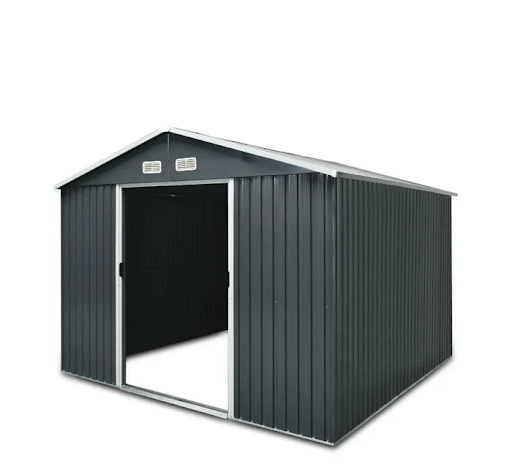
In the United States, industrial and logistics operations increasingly rely on flexible storage solutions to manage equipment, tools, and materials. As warehouse space becomes more expensive and operational demands grow, external storage structures play a critical role. A Galvanized Apex Roof Metal Shed provides a compact and durable option for extending storage capacity without major construction work. Its structure supports controlled storage while maintaining accessibility and organization.
Market Context and Operational Importance
The United States logistics sector operates in a high demand environment where space efficiency directly affects cost and productivity. Many facilities face limitations in indoor storage capacity. As a result, outdoor storage solutions have become essential for handling overflow inventory, maintenance tools, and seasonal equipment.
Metal sheds are commonly used in distribution centers, maintenance yards, and industrial sites. They provide enclosed protection from weather while maintaining quick access to stored items.
Technical Overview and Use Cases
A galvanized apex roof metal shed is constructed using steel panels treated with a protective zinc coating. The apex roof design allows for effective water drainage and increased internal height.
- Storage of tools and maintenance equipment
- Temporary holding space for materials
- Outdoor inventory management in logistics yards
- Secure storage for seasonal or low frequency items
- Support structure for small scale operations
These sheds are suitable for environments where permanent buildings are not required.
Efficiency, Safety, and Productivity
Efficient storage solutions reduce time spent searching for tools and materials. A well organized shed improves workflow by keeping frequently used items accessible.
- Improved organization of equipment
- Reduced clutter in main work areas
- Faster retrieval of stored items
- Lower risk of equipment damage due to exposure
These factors contribute to better productivity and safer working conditions.
Technical Foundations and Structural Considerations
The performance of a metal shed depends on its structural design and material quality.
- Galvanized steel panels for corrosion resistance
- Apex roof structure for water runoff
- Frame stability for wind resistance
- Door design for secure access
- Ventilation features to reduce moisture buildup
Proper installation on a stable base is essential for long term use.
Factors Affecting Performance and Effectiveness
Several factors influence the performance of a storage shed. Environmental conditions such as wind, rain, and temperature changes can affect structural integrity over time. Ground preparation also plays a key role in stability.
- Foundation type and surface leveling
- Exposure to weather conditions
- Frequency of use and door operation
- Regular maintenance and inspection
Routine checks help ensure consistent performance.
Safety Considerations and Best Practices
- Install the shed on a level and secure surface
- Ensure doors are properly aligned and lockable
- Avoid overloading the structure with heavy items
- Maintain clear pathways around the shed
- Inspect panels and fasteners regularly
- Provide ventilation to prevent moisture accumulation
Following these practices reduces risk and improves usability.
Related Equipment and Accessories
To maximize functionality, sheds are often used with supporting equipment.
- Shelving systems for internal organization
- Tool racks and storage hooks
- Lighting systems for visibility
- Floor mats or platforms for stability
These additions improve efficiency and organization.
Advantages and Limitations
Advantages
- Durable and resistant to corrosion
- Cost effective compared to permanent structures
- Quick installation with minimal site preparation
- Flexible placement in different environments
Limitations
- Limited insulation compared to enclosed buildings
- Size constraints for large scale storage
- Requires proper anchoring in high wind areas
Real World Application Example
A logistics facility in the Midwest required additional storage for maintenance tools and spare parts. Instead of expanding the main warehouse, the company installed several metal sheds near the operational area. This reduced travel time for workers and improved access to frequently used tools. The sheds also helped organize equipment that was previously stored in open areas, reducing exposure to weather and improving equipment lifespan.
Conclusion and Future Industry Trends
The TMG Industrial galvanized apex roof metal shed is a practical solution for modern storage challenges in industrial and logistics environments. It offers a balance between durability, accessibility, and cost efficiency.
Future developments may include improved modular designs, enhanced weather resistance, and integration with smart inventory systems. As operations continue to prioritize flexibility and efficiency, external storage structures will remain an important part of infrastructure planning.