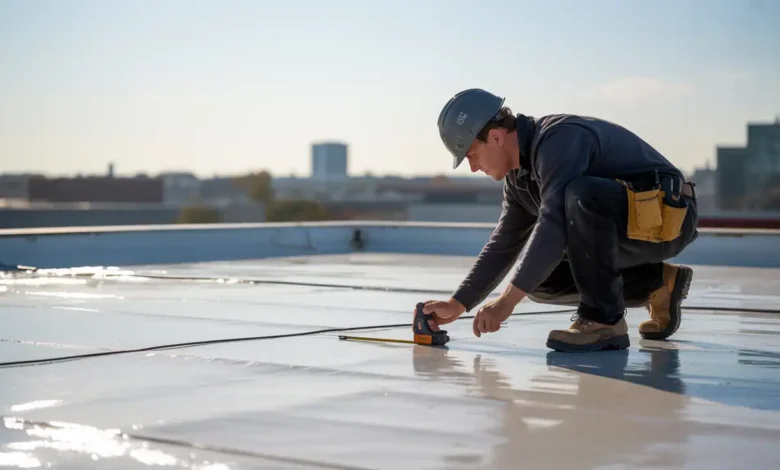
Roofs are one of the most critical components of any building, serving as the first line of defense against weather, environmental elements, and structural damage. Among the wide variety of roofing systems available, flat roofing has emerged as a popular solution for both commercial and residential properties due to its practicality, versatility, and modern aesthetic appeal. Unlike sloped roofs, flat roofing features a horizontal or low-slope design that provides unique advantages, including the ability to maximize usable rooftop space, facilitate easy maintenance, and accommodate rooftop installations such as HVAC units, solar panels, or green roof systems. Understanding the benefits, material options, installation requirements, maintenance practices, and long-term performance of flat roofing helps property owners make informed decisions that enhance protection, durability, and efficiency. Professional installation and regular maintenance are essential to maximize the lifespan of flat roofing, as minor installation errors or neglect can lead to water infiltration, reduced energy performance, and structural concerns over time.
Advantages of Flat Roofing
One of the primary reasons property owners choose flat roofing is its functional design. Unlike traditional pitched roofs, flat roofs offer a level surface that can be utilized for various purposes beyond basic protection. Rooftop terraces, gardens, solar energy systems, and other functional features are more easily integrated on flat roofs than on sloped roofs. This multi-functional capability not only increases the value of the property but also provides additional usable space in urban or commercial environments where space optimization is essential. Flat roofing also allows for easier access for inspections, repairs, and maintenance, reducing long-term costs and simplifying upkeep.
Cost-effectiveness is another significant advantage of flat roofing. Installation typically requires fewer materials than sloped roofs, and the framing is often less complex, which reduces labor and material costs. Modern flat roofing materials provide reliable waterproofing, insulation, and energy efficiency, ensuring that buildings remain protected from leaks, water damage, and excessive heat loss or gain. Many flat roofing systems incorporate reflective coatings that minimize heat absorption, lowering cooling costs and improving indoor comfort. These features make flat roofing a practical and economical choice for property owners seeking a long-lasting roofing solution.
The aesthetic appeal of flat roofing has also contributed to its popularity. Contemporary architecture often emphasizes clean lines, minimalist design, and open rooftop spaces, all of which are enhanced by flat roofing. The uniform, streamlined appearance of a flat roof complements modern building designs while providing opportunities for innovative architectural solutions. Additionally, flat roofing allows for seamless integration with skylights, terraces, and mechanical equipment without compromising the roof’s performance or structural integrity.
Types of Flat Roofing Materials
Flat roofing is available in a variety of materials, each offering distinct benefits depending on the intended use, budget, and environmental exposure. One of the most traditional materials is built-up roofing (BUR), which consists of multiple layers of bitumen and reinforcing fabrics. BUR systems are renowned for their durability, waterproofing capabilities, and resistance to harsh weather conditions, making them suitable for both commercial and residential applications. The multiple layers also provide excellent insulation, which helps maintain consistent indoor temperatures and reduces energy costs.
Modified bitumen is another common material for flat roofing. This system combines asphalt with modifiers such as polymers to enhance flexibility, adhesion, and resistance to cracking or extreme temperature fluctuations. Modified bitumen can be installed using torch-applied, cold-applied, or self-adhering methods, providing versatility and ensuring a watertight seal. Its durability and low maintenance requirements make modified bitumen a reliable choice for long-term flat roofing solutions.
Single-ply membrane roofing systems, including EPDM (ethylene propylene diene monomer), TPO (thermoplastic polyolefin), and PVC (polyvinyl chloride), are increasingly popular due to their lightweight construction, flexibility, and ease of installation. These membranes offer excellent waterproofing, UV protection, and chemical resistance, making them suitable for buildings exposed to harsh sunlight or industrial environments. Single-ply membranes can be fully adhered, mechanically attached, or ballasted, allowing customization based on roof design and performance requirements.
Spray polyurethane foam (SPF) roofing provides a seamless, highly insulated surface that conforms to any roof shape. SPF roofing is applied as a liquid, expanding into a solid layer that offers exceptional thermal insulation, waterproofing, and durability. The seamless nature of SPF roofing eliminates joints where leaks commonly occur, enhancing the overall performance of the roof. While SPF roofing requires professional application, its energy efficiency and long-term durability make it a compelling option for modern buildings.
Installation Considerations for Flat Roofing
Proper installation is critical to ensure the longevity and performance of flat roofing. Because flat roofs are more susceptible to water pooling than sloped roofs, careful planning is required to prevent leaks and structural issues. Roofing professionals assess the roof structure, select appropriate materials, and incorporate effective drainage systems, such as internal drains, scuppers, or tapered insulation, to prevent water accumulation. Proper installation guarantees that flat roofing remains watertight, energy-efficient, and capable of withstanding environmental stressors such as heavy rainfall, wind, and temperature fluctuations.
Attention to detail is particularly important in areas such as seams, flashing, and penetrations around vents, skylights, or HVAC units. These points are potential vulnerabilities for water infiltration and require specialized techniques and materials to maintain a strong seal. Selecting the right underlayment, insulation, and protective coatings also enhances thermal performance, reduces heat absorption, and prevents UV-related damage. Correct installation maximizes the lifespan of flat roofing, minimizes repair costs, and ensures the roof performs optimally for decades.
Maintenance and Longevity of Flat Roofing
While flat roofing is generally durable, regular inspections and preventive maintenance are crucial to avoid minor issues escalating into serious problems. Maintenance activities include clearing debris from the roof surface, inspecting drains and gutters for blockages, checking for cracks or punctures in membranes, and examining flashing around roof penetrations. Addressing small issues promptly prevents water infiltration, mold growth, and structural damage, ensuring long-term reliability.
The lifespan of flat roofing varies depending on material, installation quality, and maintenance practices. Built-up and modified bitumen roofs generally last between 20 and 30 years, while single-ply membrane and spray foam roofing can last 25 to 35 years or more with proper care. Routine professional inspections and timely maintenance significantly extend the durability and performance of flat roofing, protecting the building from potential damage and costly repairs.
Energy Efficiency and Environmental Benefits
Flat roofing offers several energy efficiency and environmental benefits. Many flat roof materials are designed to reflect sunlight, reducing heat absorption and cooling costs. The level surface of flat roofs is ideal for installing solar panels, green roofing systems, or reflective coatings, further enhancing energy efficiency and supporting sustainable building practices. Materials such as SPF and single-ply membranes provide excellent insulation, reducing heat transfer and minimizing energy consumption. Additionally, some flat roofing materials are recyclable or composed of recycled content, reducing environmental impact and promoting sustainable construction practices.
Common Misconceptions About Flat Roofing
Despite its advantages, flat roofing is sometimes perceived as prone to leaks, high maintenance, or limited aesthetic appeal. While it is true that flat roofs require proper drainage and routine inspections, modern materials and professional installation effectively address these concerns, ensuring a durable, watertight roofing solution. Flat roofing also provides aesthetic versatility, allowing integration with modern architectural designs, rooftop terraces, and functional rooftop spaces. Concerns about short lifespan are largely outdated, as advances in roofing materials and techniques have significantly extended the durability and reliability of flat roofing systems. Educating property owners about these benefits ensures informed decisions and encourages long-term investment in high-quality roofing solutions.
Conclusion
Flat roofing is a practical, durable, and versatile solution for a wide range of properties, providing reliable protection, energy efficiency, and functional space optimization. Its low-slope design facilitates maintenance, supports rooftop installations, and enhances modern building aesthetics. Proper professional installation, routine inspections, and preventive maintenance are essential to maximize the lifespan and performance of flat roofing. Understanding the variety of materials, installation requirements, and maintenance practices allows property owners to fully capitalize on the benefits of flat roofing while minimizing potential issues. By investing in quality materials and professional installation, flat roofing delivers long-term protection, energy efficiency, and aesthetic value, making it a modern, functional, and sustainable roofing solution that enhances the overall performance and longevity of the building.