How to Choose Compatible LED Power Supplies and LED Modules for Reliable Lighting Installations

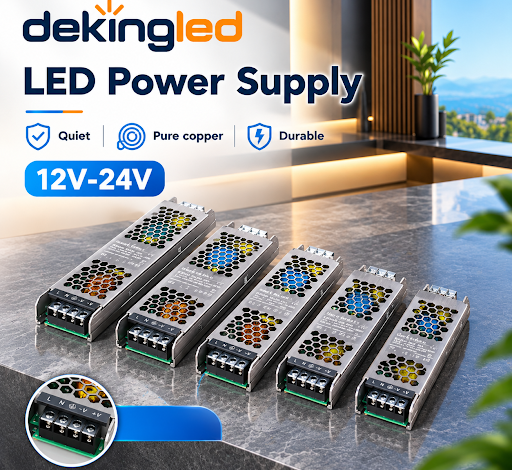
A successful LED lighting installation depends on more than selecting bright and energy-efficient lighting products. Electrical compatibility, consistent performance, installation requirements, and long-term reliability are equally important. Choosing the correct power supply and LED module helps prevent problems such as flickering, unstable brightness, and unsuitable operating conditions.
For distributors, contractors, and lighting businesses, understanding the relationship between these components is essential. Working with an experienced LED Power Supply Wholesale supplier can help buyers explore suitable options for different lighting projects while ensuring that electrical requirements are considered before installation.
1. Understand the Role of LED Power Supplies
An LED power supply provides the electrical input required by an LED lighting system. Selecting an appropriate unit is important because different LED products operate at different voltages and have different power requirements.
Before purchasing a power supply, buyers should check several specifications:
- Required input and output voltage
- Maximum power capacity
- Current requirements
- Compatibility with the LED product
- Operating environment
- Protection requirements
Voltage compatibility should be the first consideration. For example, a lighting product designed for DC12V should not be connected to an incompatible voltage source.
Dekingled offers LED strip products designed for DC12V and DC24V operation, depending on the model. Buyers should therefore confirm the operating voltage of the selected strip before choosing its power supply.
Calculate the Required Power
Power capacity is another important factor. The selected power supply must be suitable for the total electrical load of the connected lighting products.
For example, Dekingled’s 5050-WW-300 LED strip has a maximum power rating of 72W and supports DC12V and DC24V configurations. When planning an installation, buyers should use the actual specifications of the selected version to determine the required electrical capacity.
For longer installations, it is also important to consider voltage drop. Dekingled’s 24V COB LED strip options are designed to provide lower voltage drop over longer runs compared with 12V versions. This can help maintain more consistent illumination across suitable installations.
2. Select the Right LED Modules for the Application
LED modules are commonly considered for signage, illuminated letters, display lighting, and other applications where compact lighting units are required. The appropriate product depends on the desired brightness, installation space, lighting effect, and environmental conditions.
Businesses looking for an experienced LED Module Manufacturer should evaluate product specifications and manufacturing capabilities before making purchasing decisions.
Important factors include:
LED chip technology
Brightness and light distribution
Operating voltage
Color options
Physical dimensions
Heat management requirements
Environmental protection
It is important to distinguish between LED modules and LED strips. Although both use LED technology, their physical construction and installation requirements can differ. Buyers should confirm that the selected product matches the intended application.
Consider LED Density and Brightness
LED density can influence how evenly light is distributed across a surface. Products with different chip sizes and LED quantities may produce different lighting results.
For example, Dekingled’s SMD5050 strip contains 300 LEDs per 5-meter reel and has a viewing angle of 120 degrees. It is available in IP65 and IP68 protection options, depending on the configuration.
Another option is the SMD2835 strip with 180 LEDs per meter, featuring 900 LEDs per 5-meter reel and a maximum power rating of 48W. These specifications provide useful reference points when comparing lighting products for different installations.
3. Check Voltage and Controller Compatibility
RGB lighting systems require additional attention because they may use controllers to manage colors, brightness, and lighting effects.
A controller must be compatible with the connected LED product and its electrical requirements. Buyers should check voltage, current capacity, output configuration, and control method before installation.
Dekingled’s RGB Touch Controller supports 12–24V DC input and a maximum load current of 6A per channel across three channels, with a maximum total current of 18A.
Other listed controller features include:
18 color modes
PWM dimming
256 gray steps
10 intensity steps
433MHz RF remote control
A controllable distance of more than 20 meters
The controller also supports 12V output power up to 216W and 24V output power up to 432W. These specifications should be checked against the connected LED lighting system to avoid exceeding the controller’s operating limits.
4. Choose Products According to Installation Conditions
The installation environment plays an important role in selecting LED components. Indoor signage, outdoor displays, architectural lighting, and decorative installations can require different protection levels.
For indoor applications, buyers may prioritize compact dimensions, brightness, and ease of installation. Outdoor projects require closer attention to moisture protection and the suitability of the complete installation.
Dekingled offers LED strip options with IP65 and IP68 protection. Its IP68 waterproof strip is designed to remain impervious to water ingress at a depth of up to three meters.
For applications such as signage and display lighting, product dimensions and installation accessories should also be considered. A lighting product that fits the available space and provides suitable illumination can make installation easier and improve the finished appearance.
5. Evaluate Quality Before Placing Bulk Orders
Businesses purchasing LED components in larger quantities should evaluate product quality before committing to a substantial order. A lower purchase price does not necessarily mean better overall value if the products fail to meet the required specifications.
Consider the following checks:
Product specifications: Confirm voltage, power consumption, brightness, and protection ratings.
Sample testing: Test samples under the intended operating conditions before ordering in bulk.
Manufacturing consistency: Check whether repeated orders maintain similar product quality and performance.
Technical assistance: Choose a supplier that can answer questions about compatibility and installation.
Shenzhen Dekingled Co., Ltd. was established in 2014 and provides LED lighting products, including SMD3528, SMD2835, SMD3014, SMD5050, RGB, RGBW, COB, and silicone neon LED strips. The company also highlights fast delivery, cost-effective products, quality, and technical support among its service advantages.
6. Build a Reliable LED Lighting System
A dependable lighting installation requires compatible components working together. Selecting an LED product without checking its voltage, power requirements, controller compatibility, and installation environment can create unnecessary problems.
For commercial buyers, it is useful to prepare a complete specification list before requesting quotations. This makes it easier to compare suppliers and identify products that meet project requirements.
For example, buyers can specify the required voltage, lighting type, LED density, protection rating, reel length, and intended application. They should also confirm whether the supplier can provide the necessary technical information before placing an order.
Conclusion
Choosing compatible LED power supplies and LED lighting products requires attention to electrical specifications, brightness, installation conditions, and product quality. Whether a project involves signage, commercial displays, architectural lighting, or decorative applications, careful product selection can help achieve consistent and reliable results.
By comparing specifications, testing samples, and confirming compatibility before bulk purchasing, businesses can make better sourcing decisions. A dependable manufacturing relationship also makes it easier to manage recurring requirements and maintain consistency across future lighting projects.