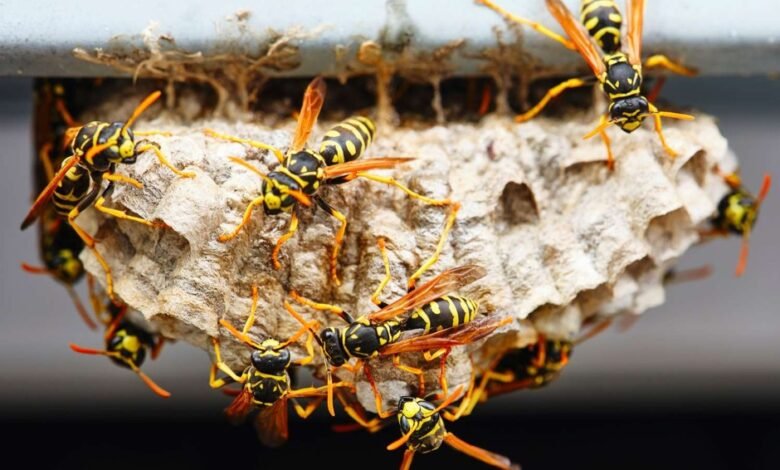
Wasps play an important role in nature by helping control other insect populations. However, when they build nests close to homes, gardens, sheds, or commercial buildings, they can quickly become a serious safety concern. Recognizing the early signs of a wasp nest can help you avoid painful stings, prevent property damage, and eliminate the problem before it grows into a large infestation.
If you notice increased wasp activity around your property, acting early is always the safest approach. Professional Pest Control London services can identify hidden nests and deal with them safely before they become a hazard.
Why Early Detection Matters
A small wasp nest in spring may contain only a queen and a few worker wasps. By late summer, that same nest can house hundreds—or even thousands—of aggressive wasps. The larger the colony becomes, the more protective the insects are of their nest.
Early identification offers several benefits:
- Reduces the risk of painful stings
- Prevents nests from growing larger
- Protects children and pets
- Minimizes structural damage
- Makes treatment easier and more effective
Ignoring a developing nest often results in a much bigger problem later in the season.
Common Places Where Wasps Build Nests
Wasps look for sheltered, dry, and undisturbed locations to establish their colonies. While some nests are easy to spot, others remain hidden until the population becomes large.
Typical nesting locations include:
- Roof spaces and lofts
- Garden sheds
- Garages
- Wall cavities
- Under roof eaves
- Air vents
- Bird boxes
- Tree branches
- Bushes and hedges
- Decking and patios
Checking these areas regularly during spring and summer can help you detect nests while they’re still small.
Early Signs of a Wasp Nest
Learning to recognize the warning signs can prevent dangerous encounters.
Increased Wasp Activity
One of the earliest indicators is seeing several wasps flying around the same location repeatedly. Worker wasps travel back and forth between food sources and the nest, often following identical flight paths.
If you consistently notice wasps entering a small gap in a wall or roof, there’s a good chance a nest is nearby.
Buzzing Sounds Inside Walls or Ceilings
Hidden nests often produce a faint buzzing sound. This happens because hundreds of wasps are constantly moving their wings inside the nest.
If you hear buzzing behind plasterboard, ceilings, or loft spaces, avoid investigating too closely.
Small Paper-Like Structure
Unlike bee hives made from wax, wasp nests have a grey, papery appearance. Wasps create this material by chewing wood fibers and mixing them with saliva.
New nests may initially look like:
- A golf ball
- A small umbrella
- A round paper shell
As the colony expands, the nest grows significantly larger.
Frequent Wasps Near Food
Wasps are attracted to sugary foods, drinks, ripe fruit, and outdoor rubbish.
If large numbers of wasps regularly gather around your bins, barbecue area, or outdoor dining space, inspect nearby structures for possible nesting sites.
How Wasp Nests Grow
Understanding the wasp life cycle helps explain why quick action is important.
Spring
A fertilized queen emerges from hibernation and begins building a small starter nest.
Early Summer
Worker wasps hatch and begin expanding the colony.
Mid to Late Summer
The nest reaches peak size, often containing several hundred workers.
Autumn
The colony starts declining as temperatures fall. Eventually, the queen dies, and the abandoned nest is not reused the following year.
Although old nests aren’t reused, new queens often establish fresh nests nearby if conditions remain favorable.
Why Wasp Nests Become Dangerous
Many homeowners underestimate how defensive wasps become as their colony grows.
They may attack if they feel threatened by:
- Lawn mowing
- Hedge trimming
- Roof repairs
- Vibrations
- Loud noises
- Pets approaching the nest
Unlike bees, wasps can sting multiple times without dying. Multiple stings can be extremely painful and, for individuals with allergies, potentially life-threatening.
Signs the Nest Has Become a Serious Risk
You should seek professional assistance immediately if you notice:
- Continuous wasp traffic
- Large numbers entering roof spaces
- Wasps inside your home
- Children or pets being stung
- Nest located near doors or windows
- Aggressive swarming behavior
These situations can escalate quickly if left untreated.
What You Should Never Do
Many people accidentally make the situation worse by attempting DIY removal.
Avoid:
- Spraying water onto the nest
- Knocking it down with a stick
- Blocking the entrance hole
- Burning the nest
- Using household chemicals
Disturbing a nest without proper equipment often causes the entire colony to become aggressive.
Preventing Future Wasp Nests
Although no prevention method is completely foolproof, several steps reduce the likelihood of nesting.
Keep your property less attractive by:
- Sealing cracks and wall gaps
- Repairing damaged roof tiles
- Covering air vents with fine mesh
- Keeping outdoor bins tightly closed
- Removing fallen fruit from gardens
- Trimming overgrown vegetation
- Inspecting sheds and lofts each spring
Routine maintenance significantly lowers the chances of wasps settling on your property.
When to Contact Professionals
Small nests discovered very early may appear manageable, but identifying the colony size isn’t always easy. Hidden nests can extend deep inside walls or roof cavities, making DIY treatment ineffective.
Professional technicians have the experience, protective equipment, and specialist products needed to locate and eliminate nests safely without putting occupants at unnecessary risk.
Timely Wasp Nest Removal also helps prevent future infestations by ensuring the colony is completely dealt with before it reaches its maximum size.
Final Thoughts
Spotting a wasp nest early is one of the most effective ways to protect your home, family, and outdoor spaces. Watching for increased wasp activity, buzzing sounds, papery nest structures, and repeated flight paths allows you to act before the colony grows into a serious threat.
Rather than waiting until hundreds of wasps have established a nest, regular inspections and prompt professional treatment can keep your property safe throughout the warmer months. Early action not only reduces the risk of stings but also makes nest removal faster, safer, and more cost-effective.