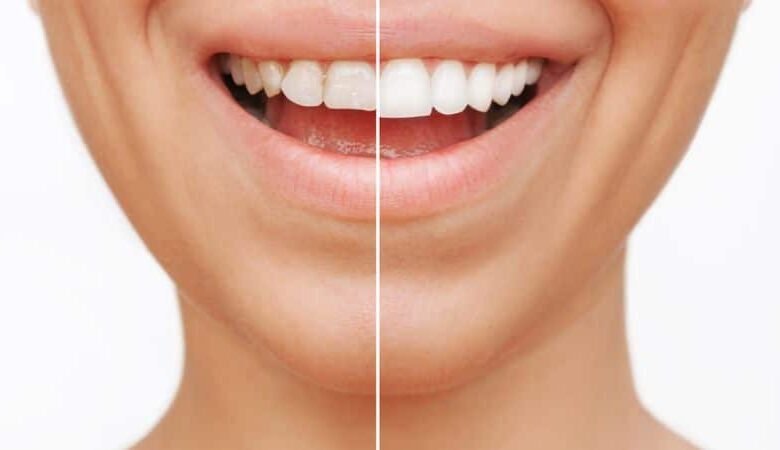
Thinking about changing your smile can be exciting, especially when treatments now look more natural and discreet than they once did. Before you book whitening, bonding, aligners or another cosmetic option, it helps to pause and look at what your teeth and gums are already telling you. A simple smile check is not about judging every small detail. It is about spotting what may need care, planning or a proper dental opinion first.
This guide covers:
- What to check before cosmetic dental treatment
- Why gum health, gaps and alignment matter
- Which questions to ask before making a decision
Start With Gum Health Before Aesthetic Choices
Your smile check should begin with health, not appearance. Cosmetic treatment is usually most comfortable and predictable when your gums, teeth and bite are in a stable condition first, because oral health is part of everyday wellbeing, not just something to think about when pain appears. If your gums are inflamed or your teeth feel unsettled, it makes sense to understand that before changing how your smile looks.
Start by looking for everyday signs that something needs attention. Gums that bleed when brushing, feel sore, look swollen or seem to be pulling back from the teeth should not be ignored. Persistent bad breath, food trapping in the same places or teeth that feel slightly loose are also worth mentioning at a dental appointment. These signs do not always mean something serious, but they are useful clues.
Things to notice first:
- Bleeding when brushing or flossing
- Gum recession or longer-looking teeth
- Food catching between the same teeth
- New sensitivity to cold or brushing
- Teeth that seem to have shifted
Look Closely At Gaps, Wear And Tooth Shape
Small smile details can point to different treatment needs. A chipped edge, a darker tooth, crowding, worn enamel or an uneven gum line may each need a different conversation. It can be tempting to focus on the one thing you dislike most, but a dentist will usually look at how all the parts work together. That includes tooth shape, bite, gum position and how easy your teeth are to clean.
Black triangles are a good example of this. These are the small dark spaces that can appear near the gum line, often between front teeth. They may be linked to the shape of the teeth, the position of the gums, bone support, or the way neighbouring teeth meet. Two front teeth may look fairly straight, while a small dark triangle near the gum still catches the eye.
Match Treatment Types To The Problem You See
Different smile concerns usually need different treatment routes. Whitening may change the shade of teeth, but it will not move them or close spaces. Bonding can sometimes reshape small areas, while veneers are a more involved cosmetic option. If a tooth is missing, the conversation becomes more about replacement and long-term planning than a quick cosmetic tweak.
It helps to think in terms of matching the treatment to the cause. A crowded tooth, a worn edge, gum recession and a missing tooth should not all be treated as the same cosmetic issue. Sometimes hygiene treatment or gum care may need to come first. In other cases, orthodontic planning, bonding or a restorative option may be discussed.
A simple way to think about it:
- Whitening mainly changes colour
- Bonding may adjust small chips or shape concerns
- Implants are used when teeth are missing
- Aligners move teeth gradually
- Gum treatment may be needed before cosmetic work
Ask About Clear Aligners When Spacing Is The Issue
Clear aligners may help when spacing comes from alignment. They are designed to move teeth gradually using a planned series of trays, which is why a proper assessment matters before treatment starts. Aligners are not simply a lifestyle accessory; they need planning, monitoring and a realistic idea of what can change. It also helps to understand what clear aligners can feel like day to day before deciding whether they suit your routine.
When it comes to black triangles, the answer depends on the cause. If the space is partly caused by tooth position or crowding, aligner planning may be part of the discussion. That is why it helps to look at when an aligner plan can actually help with black triangles, rather than assuming every small gap has the same cause. If the issue is mainly gum recession, bone loss or tooth shape, a different approach may be needed.
Check Daily Habits Before You Book Treatment
Everyday care can affect cosmetic results and comfort. Before booking treatment, the basics still matter: brushing well, cleaning between teeth and keeping up with check-ups. If plaque, inflammation or sensitivity are present, a dentist may want these managed before cosmetic work begins. That does not mean treatment is off the table; it simply means the foundations need attention.
Small habits can make a visible difference over time. Brushing too hard, for example, may irritate gums or contribute to recession. Skipping interdental cleaning can leave plaque in the very spaces you want to improve. A calm review of your routine can help you arrive at a consultation with clearer questions.
Daily habits to review:
- Brush gently and consistently
- Clean between teeth as advised
- Avoid aggressive scrubbing
- Notice bleeding or sensitivity
- Keep routine dental appointments
Know Which Questions To Take To Your Dentist
Better questions lead to clearer and safer treatment choices. Before choosing a cosmetic route, take a few notes about what you have noticed and what bothers you most. A dentist or orthodontist can then explain whether the concern is cosmetic, functional, health-related or a mixture of all three.
Useful questions include:
- Is my gum health stable enough for cosmetic treatment?
- What is causing this gap, shape concern or dark space?
- Do I need hygiene or gum treatment first?
- Which options are reversible, and which are not?
- What maintenance will this treatment need over time?
These questions can also help you avoid rushing into a treatment because it looks popular online. A visible space may be caused by tooth position, gum recession or tooth shape, and each one can lead to a different plan. The best next step is usually a personalised assessment, not a guess based on photos alone.
Final Thoughts
A simple smile check is not about finding flaws. It is about understanding what your teeth and gums need before changing how they look.
Remember:
- Check gum health first
- Match treatment to the real cause
- Be cautious with irreversible cosmetic work
- Ask a dentist before deciding