Outdoor Playground Equipment Designed for Weather Resistance, Safety, and Long-Lasting Performance

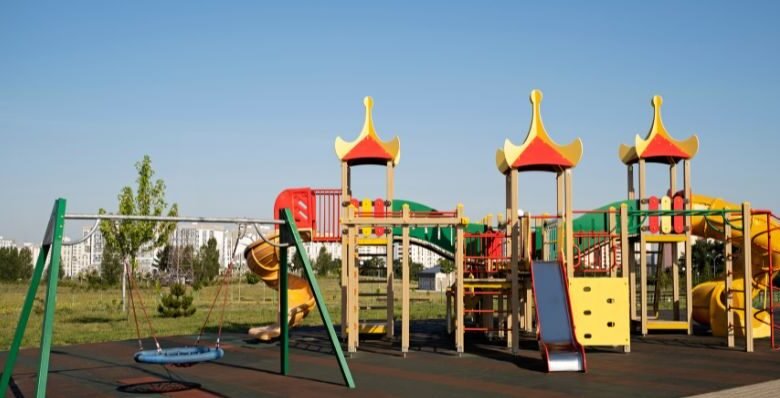
Outdoor playground equipment plays a vital role in the physical, social, and cognitive development of children while also contributing to community engagement and outdoor recreation. Playgrounds are more than just spaces filled with swings and slides; they are carefully designed environments that encourage exploration, creativity, and active lifestyles. High-quality outdoor playground equipment not only enhances the play experience but also ensures safety, durability, and inclusivity for children of all ages and abilities.
In today’s world, where screen time often dominates children’s daily routines, outdoor playgrounds provide an essential opportunity for physical activity and social interaction. Well-designed playground equipment supports the development of motor skills, coordination, balance, and strength, while also fostering imagination and teamwork. Understanding the different types of equipment, safety considerations, materials, and maintenance practices is essential for creating effective and long-lasting outdoor play environments.
The Importance of Outdoor Playground Equipment
Outdoor playground equipment serves as a cornerstone for child development and community well-being. It provides children with opportunities to engage in physical activity, which is essential for maintaining a healthy lifestyle and preventing issues such as obesity and poor cardiovascular health. Activities like climbing, swinging, and balancing help strengthen muscles, improve coordination, and enhance overall fitness.
In addition to physical benefits, playground equipment encourages social interaction and emotional development. Children learn to share, take turns, cooperate, and resolve conflicts while playing with peers. These experiences contribute to the development of social skills and emotional intelligence, which are crucial for personal growth and future success.
Playgrounds also stimulate creativity and imagination. Equipment such as climbing structures, tunnels, and themed playsets allows children to create their own stories and adventures, enhancing cognitive development and problem-solving abilities. For communities, playgrounds serve as gathering spaces that promote interaction, inclusivity, and a sense of belonging.
Types of Outdoor Playground Equipment
Outdoor playground equipment comes in a wide variety of designs and functions, each serving a specific purpose in child development and play engagement. Understanding these types helps in designing a balanced and comprehensive play area.
- Climbing Structures: Climbing equipment, including jungle gyms, rock walls, and rope nets, encourages physical strength, coordination, and confidence. These structures challenge children to navigate different levels and obstacles, promoting problem-solving and risk assessment skills.2. Slides: Slides are a staple of playgrounds and provide both excitement and developmental benefits. They help improve balance and coordination while offering a sense of thrill that keeps children engaged. Swings: Swings are among the most popular playground features and are suitable for various age groups. They help develop balance, rhythm, and spatial awareness, while also providing a calming and enjoyable experience. Seesaws and Spring Riders: These interactive elements encourage cooperation and teamwork as children learn to balance and coordinate movements with others.5. Interactive Play Panels: Modern playgrounds often include panels with games, puzzles, or sensory activities that stimulate cognitive development and creativity.6. Inclusive Equipment: Inclusive playground equipment is designed to accommodate children with disabilities, ensuring that all children can participate in play regardless of physical or cognitive limitations. This includes wheelchair-accessible ramps, sensory play elements, and adaptive swings.
Materials Used in Playground Equipment
The durability and safety of outdoor playground equipment depend significantly on the materials used in its construction. Common materials include metal, plastic, wood, and composite materials, each offering unique advantages.
Metal equipment, typically made from steel or aluminum, is known for its strength and durability. It can withstand heavy use and harsh weather conditions, making it ideal for high-traffic playgrounds. However, metal surfaces can become hot under direct sunlight, requiring proper coatings or shading solutions.
Plastic components are widely used for slides, panels, and smaller structures due to their lightweight nature and resistance to corrosion. High-density polyethylene (HDPE) is a popular choice because it is durable, UV-resistant, and easy to maintain.
Wooden playground equipment offers a natural and aesthetically pleasing appearance, blending well with outdoor environments. Treated wood provides durability and resistance to decay, although it requires regular maintenance to prevent splintering or weather damage.
Composite materials combine the benefits of different materials, offering enhanced strength, weather resistance, and longevity. These materials are increasingly used in modern playground designs to achieve both durability and visual appeal.
Safety Considerations
Safety is a critical factor in the design, installation, and maintenance of outdoor playground equipment. Ensuring a safe play environment reduces the risk of injuries and provides peace of mind for parents and caregivers.
Proper installation is essential, including secure anchoring of equipment and adherence to recommended spacing guidelines to prevent overcrowding. Fall protection surfaces, such as rubber mats, wood chips, or sand, should be installed beneath and around equipment to cushion impacts and reduce injury risks.
Equipment design should eliminate sharp edges, protruding bolts, and pinch points that could cause harm. Regular inspections are necessary to identify wear and tear, loose components, or potential hazards. Maintenance routines should include tightening bolts, replacing damaged parts, and cleaning surfaces to maintain hygiene and safety.
Compliance with safety standards and guidelines ensures that playground equipment meets established requirements for quality and risk reduction. These standards provide valuable guidance for manufacturers, installers, and property owners.
Designing an Effective Playground
Creating an effective outdoor playground requires thoughtful planning and design. The layout should consider the age group of users, available space, and the intended purpose of the playground. Dividing the area into zones for different activities, such as active play, quiet play, and social interaction, helps create a balanced environment.
Accessibility is an important consideration, ensuring that children of all abilities can access and enjoy the playground. Pathways, ramps, and inclusive equipment should be incorporated to create an inclusive and welcoming space.
Aesthetics also play a role in playground design. Bright colors, themed structures, and creative layouts enhance visual appeal and attract children to the play area. Landscaping elements, such as trees, shade structures, and seating areas, contribute to comfort and usability for both children and caregivers.
Maintenance and Longevity
Regular maintenance is essential for ensuring the longevity and safety of outdoor playground equipment. Routine inspections should be conducted to identify potential issues, such as rust, cracks, loose bolts, or worn-out surfaces. Addressing these issues promptly prevents accidents and extends the life of the equipment.
Cleaning is another important aspect of maintenance. Removing dirt, debris, and contaminants keeps the playground hygienic and visually appealing. Seasonal maintenance, such as checking for weather-related damage or preparing equipment for extreme conditions, ensures consistent performance throughout the year.
Investing in high-quality materials and professional installation reduces the need for frequent repairs and ensures long-term durability. Proper maintenance practices protect the initial investment and provide a safe, enjoyable environment for children over time.
Benefits for Communities
Outdoor playground equipment offers significant benefits for communities by promoting physical activity, social interaction, and community engagement. Playgrounds serve as gathering spaces where families, children, and neighbors can connect, fostering a sense of belonging and community spirit.
For schools and educational institutions, playgrounds support learning and development by providing opportunities for physical education, teamwork, and creative play. In residential areas, well-designed playgrounds increase property value and enhance the attractiveness of neighborhoods.
Public parks with modern playground equipment encourage outdoor recreation, reduce sedentary lifestyles, and contribute to overall public health. By investing in playground infrastructure, communities create environments that support healthy, active, and socially connected lifestyles.
Future Trends in Playground Equipment
The future of outdoor playground equipment is evolving with advancements in technology, design, and sustainability. Smart playgrounds are incorporating interactive elements, such as digital games and sensors, to create engaging and educational experiences. These innovations blend physical activity with technology, appealing to modern children while promoting active play.
Sustainable materials and eco-friendly designs are becoming increasingly popular, reducing environmental impact and promoting responsible resource use. Modular playground systems allow for flexible design and easy expansion, adapting to changing needs and preferences.
Inclusive design continues to be a major focus, ensuring that playgrounds are accessible and enjoyable for children of all abilities. By embracing innovation and sustainability, the playground industry is creating spaces that are not only fun but also environmentally responsible and socially inclusive.
Conclusion
Outdoor playground equipment is an essential component of child development, community engagement, and outdoor recreation. By providing opportunities for physical activity, social interaction, and creative play, playgrounds contribute to healthier, happier, and more connected communities.
Understanding the different types of equipment, materials, safety considerations, and maintenance practices is crucial for designing effective and durable play spaces. Investing in high-quality playground equipment ensures long-term performance, safety, and enjoyment for children of all ages.
As playground design continues to evolve, incorporating innovation, inclusivity, and sustainability will remain key priorities. Well-planned outdoor playgrounds not only enrich the lives of children but also strengthen communities, making them valuable assets for generations to come.