Introduction to Modern Commercial Property Maintenance
Commercial buildings require consistent care and strategic maintenance to remain functional, safe, and visually appealing. Unlike smaller properties, commercial spaces experience higher levels of traffic, environmental exposure, and structural stress, which makes regular upkeep essential. One of the most effective ways to maintain these buildings is through modern finishing and protective techniques that enhance both durability and appearance. In this context, commercial painting plays a central role in preserving surfaces while also improving the overall aesthetic appeal of the property.
A well-maintained commercial building reflects professionalism and creates a positive impression on clients, customers, and employees. Over time, surfaces naturally degrade due to weather, usage, and aging materials, making maintenance a long-term necessity rather than a one-time task.
Importance of Building Care in Commercial Environments
The condition of a commercial building directly influences business reputation and operational efficiency. A clean, modern, and well-maintained property signals reliability and attention to detail, which helps build trust with customers and business partners. On the other hand, neglected surfaces, peeling paint, or visible damage can create a negative impression and reduce perceived value.
Proper building care also helps prevent structural issues that may arise from moisture infiltration, surface cracking, or material deterioration. Regular maintenance ensures that these issues are addressed early before they become costly repairs. Commercial painting is often used as a preventive and restorative solution to maintain surface integrity and extend building lifespan.
Surface Preparation and Structural Assessment
Before any finishing work begins, a detailed assessment of the building is required. This process involves inspecting walls, ceilings, and exterior surfaces for damage, wear, and environmental impact. Identifying problem areas early allows for more effective planning and ensures long-lasting results.
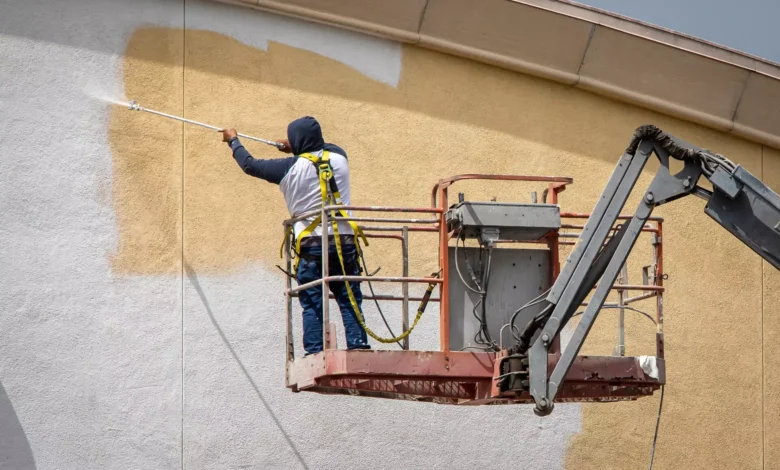
Surface preparation is one of the most critical stages in building care. Dirt, dust, mold, grease, and old coatings must be thoroughly removed to ensure proper adhesion of new materials. In many cases, pressure washing, sanding, and patching are required to create a smooth and stable surface.
Without proper preparation, even high-quality materials will fail prematurely. This is why professional commercial painting always begins with detailed surface preparation to ensure durability and consistency.
Selection of Materials for Long-Term Performance
Choosing the right materials is essential for maintaining commercial buildings effectively. High-traffic environments require durable coatings that can withstand frequent cleaning, environmental exposure, and physical impact.
Commercial-grade paints are specifically designed for these conditions. They offer improved resistance to fading, moisture, stains, and abrasion. Different finishes are selected depending on the function of each space. For example, glossy finishes may be used in areas requiring easy cleaning, while matte finishes are preferred for decorative or low-traffic spaces.
Primers and protective coatings also play a key role in extending the lifespan of surfaces. In professional commercial painting, material selection is carefully matched to environmental conditions and usage requirements to ensure optimal performance.
Application Methods and Modern Techniques
Modern finishing techniques focus on efficiency, precision, and durability. Large commercial spaces require specialized application methods to ensure even coverage and high-quality results.
Spray application is commonly used for large surfaces because it provides smooth, uniform coverage in a shorter amount of time. Rolling and brushing techniques are used for detailed work, edges, and smaller sections that require precision.
Multiple layers are applied to ensure full coverage and long-lasting protection. Each layer must be allowed to dry properly before the next is applied to prevent defects and ensure a professional finish.
Commercial painting techniques are continuously evolving with advancements in tools and materials, making modern applications more efficient and reliable than ever before.
Minimizing Disruption in Active Business Spaces
One of the biggest challenges in commercial building maintenance is minimizing disruption to daily operations. Businesses cannot afford long downtime or interruptions that affect productivity and customer service.
To address this, work is often scheduled during off-hours, weekends, or in phases to allow continuous business activity. Work areas are carefully sectioned off to ensure safety and reduce interference with ongoing operations.
Professional teams handling commercial painting are trained to manage time-sensitive projects while maintaining efficiency and safety standards in active environments.
Environmental and Energy Efficiency Considerations
Modern building care also includes environmental responsibility and energy efficiency improvements. Many commercial coatings now offer reflective properties that help reduce heat absorption, lowering energy consumption in warmer conditions.
Low-VOC and eco-friendly materials are increasingly used to minimize environmental impact and improve indoor air quality. These materials support sustainable building practices while maintaining high performance and durability.
Commercial painting solutions today often combine aesthetic improvement with environmental responsibility, making them a key part of modern construction and maintenance strategies.
Common Challenges in Commercial Building Maintenance
Maintaining large commercial structures comes with several challenges. Complex architecture, large surface areas, and varying material types require careful planning and execution.
Accessing high or difficult areas often requires scaffolding, lifts, or specialized equipment. Weather conditions can also impact exterior work, causing delays or affecting application quality.
Another challenge is coordinating work in occupied buildings, where safety, communication, and timing must be carefully managed to avoid disruption.
Professional commercial painting services are equipped to handle these challenges efficiently through experience, planning, and advanced equipment.
Long-Term Maintenance and Care Strategies
After finishing work is completed, ongoing maintenance is essential to preserve appearance and durability. Regular cleaning helps prevent buildup of dust, stains, and pollutants that can degrade surfaces over time.
Routine inspections allow early detection of cracks, peeling, or damage. Addressing small issues early prevents more costly repairs in the future.
With proper care, surfaces treated through commercial painting can maintain their appearance and protective qualities for many years.
Impact on Business Image and Customer Experience
The appearance of a commercial building plays a major role in shaping customer perception. A clean, modern, and well-maintained space creates a strong first impression and reinforces brand identity.
Professionally finished interiors and exteriors signal quality, professionalism, and attention to detail. This helps build trust and encourages customer engagement.
In competitive industries, visual appeal can significantly influence customer decisions, making commercial painting an important investment in brand presentation.
Financial Benefits of Regular Maintenance
Regular maintenance offers long-term financial advantages by reducing repair costs and extending the lifespan of building materials. Well-maintained properties require fewer major renovations and experience fewer structural issues over time.
Preventive care also helps avoid unexpected expenses caused by neglect or deterioration. Investing in consistent maintenance ensures better budget control and long-term savings.
Commercial painting is often a cost-effective solution that provides both protective and aesthetic benefits, making it a valuable part of property management.
Conclusion
Modern commercial building care is a combination of planning, maintenance, and advanced finishing techniques designed to ensure long-term performance and visual appeal. From surface preparation to material selection and application methods, every step contributes to the overall durability and appearance of the property.
Professional expertise ensures that maintenance is performed efficiently, safely, and with high-quality results. By investing in commercial painting businesses can protect their buildings, enhance customer perception, and maintain a strong professional image.
A well-maintained commercial space is not only visually appealing but also functional, durable, and cost-effective, making it an essential part of long-term business success and property management.