Residential Roofing Reinvented: Modern Materials and Designs That Transform Your Home

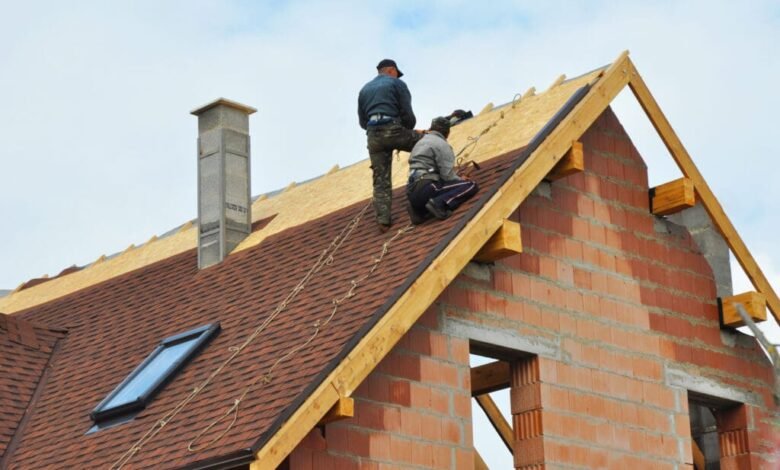
A home is one of the most valuable investments a person can make, and its roof plays a critical role in protecting that investment. From shielding the interior from harsh weather conditions to enhancing energy efficiency and curb appeal, a well-constructed roof is essential for maintaining comfort, safety, and long-term property value. Understanding the fundamentals of residential roofing helps homeowners make informed decisions about installation, maintenance, repairs, and replacements, ensuring their homes remain secure and visually appealing for years to come.
Residential roofing involves more than simply covering a house with shingles or tiles. It encompasses a range of materials, structural components, installation techniques, and maintenance practices designed to provide durability, insulation, and weather resistance. A properly installed roof not only protects against rain, wind, and sunlight but also contributes to energy savings by regulating indoor temperatures. By gaining a comprehensive understanding of residential roofing, homeowners can better manage their properties and avoid costly mistakes.
Understanding the Importance of Residential Roofing
The importance of residential roofing cannot be overstated, as it serves as the first line of defense against environmental elements. A strong and reliable roof prevents water infiltration, which can lead to mold growth, structural damage, and deterioration of interior finishes. It also protects against extreme temperatures, ensuring that indoor environments remain comfortable regardless of external weather conditions.
In addition to protection, residential roofing significantly impacts energy efficiency. Modern roofing systems are designed to reflect heat, improve insulation, and reduce energy consumption, which can result in lower utility bills. A well-maintained roof also enhances the aesthetic appeal of a home, contributing to higher property value and making it more attractive to potential buyers. For these reasons, investing in quality roofing materials and professional installation is essential for long-term benefits.
Types of Residential Roofing Materials
Choosing the right roofing material is one of the most important decisions homeowners face. Each material offers unique advantages in terms of durability, cost, appearance, and maintenance requirements. Asphalt shingles are among the most popular options due to their affordability, ease of installation, and wide range of styles and colors. They are suitable for various climates and provide reliable performance when properly maintained.
Metal roofing has gained popularity in recent years due to its durability, longevity, and energy efficiency. It reflects sunlight, reducing heat absorption and helping to maintain cooler indoor temperatures during warmer months. Tile and slate roofs are known for their exceptional longevity and distinctive appearance, often lasting several decades with proper care. While these materials are more expensive, they offer superior resistance to weather and wear.
Wood shingles and shakes provide a natural and rustic aesthetic, making them a popular choice for certain architectural styles. However, they require regular maintenance to prevent issues such as rot, mold, and insect damage. By understanding the characteristics of different materials, homeowners can select the best option that aligns with their budget, climate conditions, and design preferences.
The Residential Roofing Installation Process
The installation process for residential roofing involves several critical steps that ensure the roof’s durability and performance. It begins with a thorough inspection of the existing structure to identify any damage or weaknesses that need to be addressed. This step is essential for ensuring that the new roofing system is installed on a solid foundation.
Once the inspection is complete, the old roofing materials are removed, and the underlying structure is prepared. This may involve repairing or replacing damaged decking, reinforcing support structures, and installing a moisture barrier to prevent water infiltration. The next step is the installation of underlayment, which provides an additional layer of protection against moisture and enhances the roof’s overall performance.
After the preparation is complete, the chosen roofing material is installed according to manufacturer specifications and industry standards. Proper alignment, fastening, and sealing are crucial for preventing leaks and ensuring longevity. Finally, flashing is installed around areas such as chimneys, vents, and skylights to prevent water penetration, and the site is cleaned thoroughly. A professional installation ensures that every component works together to create a durable and efficient roofing system.
Common Residential Roofing Problems
Even the most well-constructed roofs can develop issues over time due to exposure to environmental factors and natural wear and tear. Common problems include leaks, which may result from damaged shingles, improper flashing, or deteriorated seals. If not addressed promptly, leaks can lead to significant water damage and costly repairs.
Another common issue is the loss of shingles or tiles due to strong winds or aging materials. Missing or damaged components can expose the underlying structure to moisture and increase the risk of further damage. Poor ventilation is also a concern, as it can cause heat and moisture buildup in the attic, leading to mold growth and reduced energy efficiency.
Sagging areas on the roof indicate potential structural issues that require immediate attention. These problems may be caused by water damage, weakened supports, or excessive weight from accumulated debris or snow. Regular inspections and maintenance are essential for identifying and addressing these issues before they escalate into major problems.
Maintenance Tips for Long-Lasting Roofing
Proper maintenance is key to extending the lifespan of residential roofing and ensuring optimal performance. Regular inspections should be conducted to identify signs of damage, such as cracked shingles, loose flashing, or debris accumulation. Cleaning gutters and downspouts is essential for preventing water buildup, which can lead to leaks and structural damage.
Trimming overhanging branches reduces the risk of debris falling onto the roof and causing damage. It also prevents leaves and twigs from accumulating, which can trap moisture and promote mold growth. Homeowners should also monitor the condition of seals and caulking around roof penetrations, ensuring they remain intact and effective.
Scheduling professional inspections periodically provides an added layer of protection, as experienced contractors can identify hidden issues and recommend appropriate solutions. By following these maintenance practices, homeowners can maximize the lifespan and efficiency of their roofing systems.
Cost Considerations for Residential Roofing
The cost of residential roofing varies depending on factors such as the size and complexity of the roof, the materials used, and the labor involved. Asphalt shingles are generally the most cost-effective option, while materials such as slate and tile require a higher initial investment. However, these premium materials often provide greater durability and longevity, reducing the need for frequent replacements.
Labor costs also play a significant role in the overall expense, particularly for complex roof designs or installations that require specialized skills. Additional costs may include permits, disposal of old materials, and structural repairs. While it may be tempting to choose the lowest-cost option, investing in quality materials and professional installation ensures long-term savings by reducing maintenance and repair expenses.
Benefits of Investing in Quality Residential Roofing
Investing in high-quality residential roofing offers numerous benefits beyond basic protection. One of the most significant advantages is improved energy efficiency, as modern roofing systems are designed to reflect heat and provide better insulation. This results in reduced energy consumption and lower utility bills.
A well-maintained roof also enhances the aesthetic appeal of a home, increasing its market value and making it more attractive to potential buyers. Additionally, high-quality roofing materials and professional installation provide peace of mind, knowing that the home is protected against weather-related damage. Many roofing systems also come with warranties, offering long-term protection and reducing the financial burden of unexpected repairs.
Selecting the right contractor is crucial for the success of any residential roofing project. Homeowners should look for licensed and insured professionals with a proven track record of quality workmanship. Checking reviews, requesting references, and comparing multiple estimates can help ensure that the chosen contractor meets expectations.
A reliable contractor provides clear communication, detailed project plans, and transparent pricing. They should also be knowledgeable about different roofing materials and able to recommend solutions that align with the homeowner’s needs and budget. By choosing a reputable contractor, homeowners can ensure that their roofing project is completed efficiently and to a high standard.
The Future of Residential Roofing
Advancements in technology continue to shape the future of residential roofing, introducing innovative materials and systems that enhance performance and sustainability. Solar roofing systems, for example, integrate photovoltaic panels into the roof, allowing homeowners to generate renewable energy while maintaining a sleek appearance.
Cool roofing materials are designed to reflect more sunlight and absorb less heat, improving energy efficiency and reducing the impact of urban heat islands. Smart roofing systems equipped with sensors can monitor temperature, moisture levels, and structural integrity, providing real-time data and alerts for maintenance needs.
As these technologies become more accessible, homeowners have greater opportunities to invest in roofing solutions that offer both environmental and financial benefits. Staying informed about these advancements allows property owners to make forward-thinking decisions that enhance the value and sustainability of their homes.
Conclusion
Residential roofing is a vital component of any home, providing protection, energy efficiency, and aesthetic value. By understanding the different materials, installation processes, maintenance requirements, and cost considerations, homeowners can make informed decisions that ensure long-term performance and durability. Investing in quality materials, regular maintenance, and professional installation not only protects the home but also enhances its overall value and appeal.
With proper care and attention, a well-designed roofing system can last for decades, offering comfort, safety, and peace of mind. Whether building a new home or upgrading an existing roof, prioritizing residential roofing ensures that your property remains secure, efficient, and visually appealing for years to come.