Custom Air Conditioning Installation Solutions for Homes and Commercial Properties

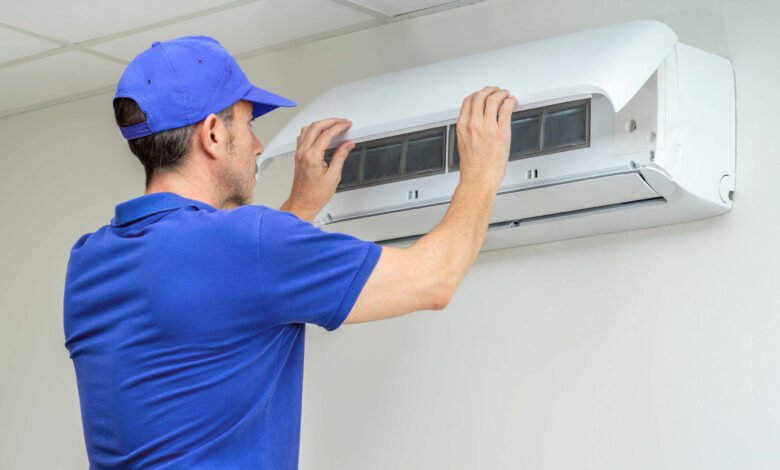
Air conditioning is no longer a luxury; it is a necessity in modern homes and commercial spaces, providing consistent comfort, improved indoor air quality, and enhanced productivity. A properly functioning system not only regulates temperature but also contributes to energy efficiency and overall property value. When it comes to installing a new system or replacing an outdated one, professional AC installation is critical. The process involves careful planning, precise execution, and adherence to safety standards to ensure that the system operates efficiently and reliably for years to come.
Installing an air conditioning system is far more complex than simply placing a unit and connecting it to a power source. A complete installation includes evaluating the size and type of the AC system, determining the best placement for indoor and outdoor units, integrating proper ductwork or piping, and ensuring adequate ventilation. Improper installation can lead to a host of problems, including poor cooling performance, high energy bills, frequent breakdowns, and even safety hazards. By investing in professional AC installation, homeowners and business owners can ensure comfort, reliability, and long-term savings.
Understanding the Importance of AC Installation
AC installation is a critical step in maintaining comfort, efficiency, and system longevity. An incorrectly installed system may fail to meet cooling requirements, resulting in uneven temperatures, higher energy consumption, and increased wear on components. Professional installation ensures that the system is sized appropriately for the property, accounts for insulation and layout considerations, and is positioned for optimal airflow.
Beyond comfort and efficiency, proper AC installation safeguards the lifespan of the system. Air conditioners are significant investments, and improper installation can reduce their effectiveness and lifespan by causing stress on key components such as compressors, fans, and coils. Additionally, professional installation guarantees compliance with safety regulations, electrical codes, and manufacturer guidelines, preventing voided warranties and potential hazards.
There are several indicators that it may be time to consider a new AC installation. Older systems often lose efficiency over time, consuming more energy to deliver the same cooling output. If repairs become frequent or costly, replacing the system with a modern, energy-efficient unit may be more practical.
Inadequate cooling, uneven temperatures across rooms, or persistent humidity issues are also signs that a new system may be required. Additionally, outdated units may lack advanced features such as programmable thermostats, smart controls, or energy-efficient components. By recognizing these indicators, property owners can make timely decisions about AC installation, improving comfort and reducing long-term energy costs.
Types of Air Conditioning Systems
Selecting the right type of system is an essential part of AC installation. Central air conditioning systems are suitable for larger homes or commercial properties, providing consistent cooling through ductwork and vents. They are highly efficient and can be integrated with heating systems to create comprehensive climate control solutions.
Ductless mini-split systems are ideal for homes or spaces without existing ductwork. These systems allow for individual room control, energy efficiency, and easy installation. Window units or portable air conditioners offer smaller-scale solutions for single rooms, but their capacity and efficiency are limited compared to central or ductless systems. A professional contractor can assess the property’s needs, recommend the best system type, and ensure that the AC installation meets performance and efficiency goals.
The AC Installation Process
The AC installation process involves several critical steps to ensure proper operation and efficiency. First, a professional assessment is conducted to determine the cooling requirements of the property. This includes evaluating square footage, insulation, window placement, and occupancy patterns to select a system with the correct capacity.
Next, the physical installation is carried out, including mounting the indoor and outdoor units, connecting refrigerant lines, integrating ductwork or piping, and establishing proper ventilation. Electrical connections are inspected and completed to meet safety codes. The system is then tested to ensure proper refrigerant levels, airflow, and thermostat functionality. Finally, technicians provide guidance on system operation, maintenance, and safety measures, ensuring that the AC installation is fully optimized for performance and longevity.
Benefits of Professional AC Installation
Professional AC installation offers numerous benefits over DIY or unlicensed solutions. Certified technicians have the training, tools, and experience to handle complex installations safely and efficiently. They ensure that the system is sized correctly, positioned for optimal airflow, and connected in compliance with electrical and building codes.
Proper installation also maximizes energy efficiency, reducing utility bills while providing consistent cooling. Professionals can identify potential issues during installation, such as duct leaks or improper refrigerant levels, preventing future problems. Additionally, certified AC installation ensures that manufacturer warranties remain valid, providing long-term protection for the investment. Homeowners benefit from peace of mind, improved comfort, and reliable performance.
AC installation can present several challenges that require professional expertise. One common challenge is sizing the system correctly; an oversized unit may cycle frequently, wasting energy, while an undersized unit may struggle to cool the space adequately. Proper load calculations are essential to achieve balanced performance.
Another challenge is proper refrigerant handling. Incorrect refrigerant levels can cause the system to underperform, damage components, or even void warranties. Ductwork and ventilation considerations also require precision, as improper installation can result in airflow issues, uneven cooling, and increased wear on the system. By addressing these challenges, professional installation ensures optimal performance, efficiency, and reliability.
Following a successful AC installation, regular maintenance is essential to preserve system performance and longevity. Homeowners should routinely clean or replace air filters, check for obstructions around outdoor units, and ensure proper thermostat operation. Seasonal professional inspections help identify minor issues before they escalate, preventing costly repairs and maintaining energy efficiency.
Lubricating moving parts, checking refrigerant levels, and cleaning coils are additional preventive measures that extend system lifespan. Following manufacturer recommendations for maintenance ensures that the newly installed system operates reliably and efficiently, providing consistent comfort for years.
Cost Considerations and Long-Term Value
The cost of AC installation varies based on system type, size, complexity, and additional requirements such as ductwork or electrical upgrades. While professional installation involves upfront investment, it provides long-term value by ensuring energy efficiency, reducing repair costs, and prolonging system lifespan.
Investing in a properly installed AC system enhances property value, improves indoor comfort, and reduces ongoing energy expenses. A well-executed AC installation is not just a short-term solution it is a long-term investment in the efficiency, safety, and livability of the property.
While some minor tasks related to air conditioning can be performed by homeowners, full AC installation requires professional expertise. DIY installation often leads to improper system sizing, refrigerant handling errors, poor airflow, and safety hazards. Professionals bring specialized tools, experience, and knowledge that ensure the system is installed correctly, safely, and efficiently.
Professional AC installation also guarantees adherence to building codes, manufacturer requirements, and safety standards. Homeowners can avoid costly mistakes, enjoy improved system performance, and maintain valid warranties by relying on certified technicians for installation.
Conclusion
AC installation is a critical investment in comfort, efficiency, and property value. From system selection and proper sizing to precise installation and safety compliance, professional installation ensures reliable performance and long-term energy savings. By addressing common challenges, maximizing energy efficiency, and following preventive maintenance, homeowners can enjoy consistent cooling and peace of mind. Timely, professional AC installation provides a durable, efficient solution that protects the investment and ensures a comfortable indoor environment for years to come. Proper installation is not only about immediate cooling—it is about long-term reliability, efficiency, and overall home satisfaction.