Custom Sprinkler System Installation Designed for Efficient Watering and Healthy Lawns

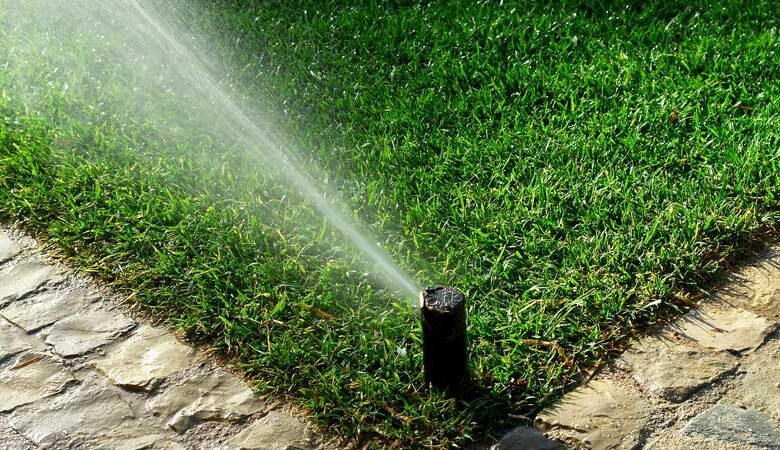
Sprinkler installation is an essential component of modern landscape management, providing efficient irrigation to lawns, gardens, and commercial properties while conserving water and promoting healthy plant growth. A well-designed sprinkler system ensures that water is evenly distributed, reduces wastage, and minimizes manual labor associated with traditional watering methods. Proper installation requires careful planning, knowledge of water pressure and flow, and an understanding of plant water requirements, making it a critical investment for homeowners, property managers, and businesses alike.
Sprinkler systems are more than just convenient tools for watering. They contribute to the aesthetic appeal of landscapes, maintain soil health, and prevent problems caused by under- or overwatering. Installing a sprinkler system involves selecting the right components, determining appropriate placement, and integrating technology such as timers, sensors, and zone controls to optimize efficiency. By understanding the fundamentals of sprinkler installation, property owners can ensure long-lasting performance, improved landscape health, and significant water savings.
Benefits of Sprinkler Installation
The benefits of sprinkler installation extend beyond convenience. One of the primary advantages is consistent and even watering. Automatic systems ensure that all areas of a lawn or garden receive the appropriate amount of water, preventing dry spots or over-saturated areas that can harm plants.
Sprinkler systems also save time and labor. Manual watering can be time-consuming, particularly on large properties or commercial landscapes. Automated systems operate on preset schedules, reducing the need for constant attention and freeing up time for other tasks.
Water efficiency is another key benefit. Modern sprinkler systems are designed to minimize water wastage through the use of drip lines, low-flow sprinkler heads, and smart controllers that adjust watering schedules based on weather, soil moisture, and plant type. This not only reduces utility costs but also supports environmental conservation by using water resources responsibly. Additionally, properly installed sprinkler systems enhance the visual appeal and overall health of landscapes, promoting lush, vibrant lawns and gardens year-round.
Planning a Sprinkler Installation
Successful sprinkler installation begins with careful planning. Understanding the size and layout of the property is essential for determining the number and placement of sprinkler heads, zones, and main lines. Soil type, slope, sun exposure, and plant water requirements should all be considered to ensure efficient and effective irrigation.
Water source and pressure are also critical factors. Assessing available water pressure helps determine the type of sprinkler heads and layout that will deliver uniform coverage without overloading the system. For larger properties or commercial landscapes, multiple zones may be required to accommodate varying water requirements across different areas. Additionally, planning should consider the integration of timers, rain sensors, and smart controllers to optimize system performance and reduce unnecessary water usage. Proper planning ensures that the system operates efficiently, delivers consistent results, and avoids costly modifications or repairs in the future.
Types of Sprinkler Systems
There are several types of sprinkler systems, each with specific advantages depending on landscape needs. Pop-up spray systems are commonly used for small to medium-sized lawns. These systems are installed below ground and pop up during operation, providing targeted coverage with adjustable spray patterns.
Rotor systems, often used for larger areas, rotate slowly to deliver water in a circular pattern, providing efficient coverage over a wider range. Drip irrigation systems are ideal for gardens, flower beds, and shrubs, delivering water directly to plant roots while minimizing evaporation and runoff. For commercial or large residential properties, combination systems can integrate multiple types to accommodate diverse landscape needs efficiently. Choosing the right system requires evaluating property size, water availability, plant types, and budget considerations to achieve optimal performance and efficiency.
Step-by-Step Sprinkler Installation Process
Sprinkler installation begins with marking the layout according to the planned zones and sprinkler head positions. Trenches are dug for main lines and lateral pipes, taking care to maintain proper depth to avoid damage and freezing in colder climates.
Next, pipes are laid and connected to the water supply, with valves and backflow preventers installed to protect potable water from contamination. Sprinkler heads are positioned according to the coverage pattern required, ensuring overlap for uniform watering without overspray onto hardscapes or walkways.
After installation, the system is pressure-tested to identify leaks, clogs, or misaligned heads. Adjustments are made to ensure even coverage and proper functioning of all zones. Timers, sensors, and controllers are then programmed to automate watering schedules based on plant needs, weather conditions, and seasonal variations. Finally, trenches are backfilled, and the system is tested in operation to confirm performance, ensuring efficient, reliable, and long-lasting operation.
Maintenance of Sprinkler Systems
Proper maintenance extends the lifespan and efficiency of sprinkler systems. Regular inspections help identify leaks, broken sprinkler heads, or clogged nozzles, which can reduce coverage and increase water wastage. Seasonal adjustments, including winterizing the system in colder climates, prevent freeze damage and costly repairs.
Cleaning filters and ensuring proper operation of timers and controllers maintain system efficiency, while monitoring water usage helps detect irregularities or excessive consumption. Adjusting spray patterns, head positions, and watering schedules as landscapes mature or weather conditions change ensures that plants continue to receive optimal irrigation. Routine maintenance preserves system performance, enhances water efficiency, and ensures a healthy, vibrant landscape year-round.
Common Mistakes to Avoid During Sprinkler Installation
Sprinkler installation requires attention to detail to avoid common mistakes. Improper head placement can result in uneven coverage, water runoff, or overwatering certain areas. Failing to account for water pressure and flow can reduce system performance and create dry spots.
Ignoring zoning needs or combining incompatible sprinkler types can lead to inefficient watering and increased water usage. Additionally, neglecting to install backflow preventers or improperly securing pipes may compromise safety or cause system failure. Hiring experienced professionals or thoroughly researching installation requirements ensures that the system operates correctly, efficiently, and safely while avoiding these pitfalls.
While some property owners attempt DIY installation, professional sprinkler installation offers expertise, precision, and peace of mind. Professionals assess property layout, soil type, plant water requirements, and available water pressure to design a system tailored for optimal performance. They have the tools, experience, and knowledge to install, test, and calibrate systems accurately, preventing leaks, uneven coverage, or other operational issues.
Professional installation often includes guidance on system operation, programming, and maintenance, ensuring long-term efficiency and reliability. Investing in professional services reduces the likelihood of costly repairs, improves water conservation, and guarantees a healthy, vibrant landscape that thrives year-round.
Conclusion
Sprinkler installation is an essential investment in landscape health, water efficiency, and convenience. By delivering consistent, controlled irrigation, sprinkler systems promote lush lawns, vibrant gardens, and well-maintained commercial landscapes. Proper planning, selection of the right system, precise installation, and ongoing maintenance are crucial to achieving reliable and efficient performance.
Professional sprinkler installation ensures optimal coverage, minimizes water waste, and enhances the longevity of both the system and the landscape it serves. Prioritizing installation and maintenance provides property owners with a sustainable, efficient irrigation solution that preserves resources, saves time, and creates a thriving, visually appealing outdoor environment.