Interior Painting Services: Enhancing Living Spaces with Professional Finishes and Modern Color Designs

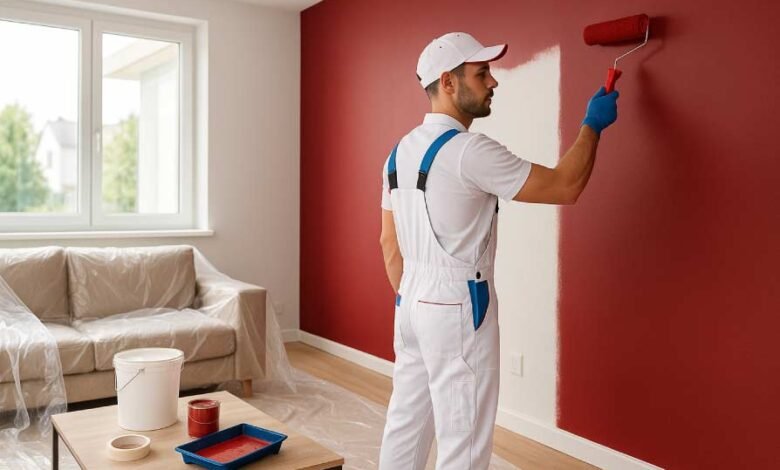
Interior painting is one of the most impactful and cost-effective ways to transform the look and feel of any space. Whether for a residential home, an office, or a commercial property, the right choice of colors, finishes, and techniques can entirely redefine a room’s ambiance and functionality. Beyond aesthetics, interior painting also plays a critical role in protecting surfaces, enhancing durability, and maintaining a clean, healthy environment. Homeowners and property managers increasingly seek professional solutions, as a well-executed painting project can elevate interior design, improve property value, and create a personalized space that aligns with lifestyle or brand identity.
Interior painting is more than merely applying color to walls and ceilings; it is an essential part of a room’s overall design and maintenance strategy. The surfaces within a home or commercial space are continuously exposed to wear and tear, environmental factors, and everyday activity. Over time, walls may accumulate dirt, scuff marks, or minor damage. A fresh coat of paint not only restores the visual appeal of a space but also acts as a protective barrier against moisture, mold, and stains.
Furthermore, interior painting has a psychological impact. Colors influence mood, perception, and even productivity. Warm tones can create a sense of comfort and coziness, while cool colors often evoke calmness and focus. Strategic color selection, combined with professional painting techniques, can dramatically enhance the functionality and emotional atmosphere of a space.
Choosing the Right Colors and Finishes
One of the most critical aspects of interior painting is selecting the appropriate colors and finishes. Colors set the tone of a room, reflecting personality, brand identity, or functional requirements. Light shades, such as off-whites, pastels, and soft neutrals, can make a space appear larger, brighter, and more open. Darker shades, like deep blues, greens, or grays, create a sense of sophistication, intimacy, or elegance, depending on the context. It is important to consider factors such as natural light, furniture, and flooring when making color choices to achieve balance and harmony.
In addition to color, the finish or sheen of the paint significantly impacts both aesthetics and functionality. Matte or flat finishes are excellent for concealing imperfections and creating a smooth, uniform appearance on walls and ceilings. Satin and eggshell finishes offer subtle sheen, durability, and easy cleaning, making them suitable for high-traffic areas like kitchens, hallways, or living rooms. Semi-gloss and gloss finishes provide reflective surfaces that are highly durable and resistant to moisture, often used for trim, doors, and bathrooms. Selecting the right combination of color and finish ensures that a painting project is visually appealing, practical, and long-lasting.
Preparing Surfaces for a Flawless Finish
Surface preparation is one of the most important steps in interior painting. Proper preparation ensures that paint adheres evenly, lasts longer, and achieves a professional-looking finish. This process begins with cleaning walls to remove dust, grease, and debris. Any cracks, holes, or imperfections should be filled with spackle or joint compound, followed by sanding to achieve a smooth surface.
Priming is another essential step, particularly for surfaces that are new, heavily stained, or previously painted with a glossy finish. A quality primer improves adhesion, enhances color vibrancy, and provides a consistent base for the topcoat. Skipping or neglecting this step can result in uneven coverage, peeling, or premature wear, undermining the quality of the work. Proper surface preparation, combined with high-quality paint products, forms the foundation for a successful interior painting project.
Tools and Techniques for Professional Interior Painting
The tools and techniques used in interior painting play a critical role in achieving a polished and uniform finish. Brushes, rollers, and sprayers each serve specific purposes, and choosing the right tool depends on the surface, paint type, and project scale. High-quality brushes ensure smooth edges and precise application, especially around trim, windows, and corners. Rollers are ideal for covering large wall areas quickly, while paint sprayers provide fast, even coverage for extensive or textured surfaces.
Professional painters also employ specific techniques to improve the overall outcome. Cutting-in, for example, involves painting precise edges where walls meet ceilings or trim, ensuring clean lines without excess overlap. Layering multiple thin coats of paint, rather than a single thick coat, enhances durability and minimizes visible brush or roller marks. Blending and feathering techniques may also be used to achieve subtle transitions between colors or create decorative effects. Mastery of these tools and techniques ensures a flawless interior painting result that combines visual appeal with long-term performance.
Addressing Common Challenges in Interior Painting
Interior painting projects often face challenges that can affect the final outcome if not properly managed. Uneven surfaces, peeling paint, moisture damage, and poorly primed walls are some of the most common issues. To address these challenges, a systematic approach is required: repairing imperfections, sanding, cleaning, and priming surfaces before applying topcoats.
Environmental conditions also influence the painting process. Excess humidity or extreme temperatures can affect paint drying time, adhesion, and finish quality. Professional painters account for these factors, scheduling work during optimal conditions and using products formulated to withstand varying climates. By proactively addressing these challenges, interior painting projects can achieve consistent results that maintain their appearance and functionality over time.
Interior Painting for Residential Spaces
Residential interior painting offers homeowners the opportunity to personalize and refresh their living spaces. Every room serves a specific function, and color choices can enhance the intended atmosphere. Living rooms benefit from warm, inviting colors that promote relaxation and social interaction, while bedrooms may use softer, calming shades conducive to rest. Kitchens and bathrooms often require semi-gloss or satin finishes to withstand moisture and frequent cleaning, while hallways and entryways benefit from durable, easy-to-maintain surfaces.
Residential projects may also include decorative painting techniques, such as accent walls, murals, or textured finishes, to add visual interest and reflect personal style. The selection of colors, finishes, and techniques should consider both aesthetics and long-term maintenance, ensuring that the painted surfaces remain attractive and functional for years.
Interior Painting for Commercial Properties
Commercial properties, including offices, retail spaces, and hospitality establishments, also rely on interior painting to create an appealing and professional environment. Color choices in commercial spaces often reflect branding, corporate identity, or the desired atmosphere for employees and customers. For example, offices may use neutral tones to promote focus and productivity, while retail stores may employ vibrant colors to attract attention and enhance the shopping experience.
Durability is especially important in commercial settings due to higher traffic and increased exposure to wear. High-quality, washable paints with durable finishes are recommended to maintain a polished appearance and minimize maintenance costs. Additionally, professional painters can ensure that commercial projects are completed efficiently, with minimal disruption to operations, while achieving a consistent and high-quality finish across all areas.
Health and Safety Considerations
Interior painting involves exposure to chemicals, fumes, and airborne particles that can impact health if not properly managed. Choosing low-VOC (volatile organic compound) or zero-VOC paints reduces harmful emissions and promotes a healthier indoor environment. Proper ventilation, use of personal protective equipment, and adherence to safety guidelines are essential practices during painting projects.
In addition to protecting the individuals performing the painting, safety considerations also extend to the inhabitants of the space. Ensuring that areas are well-ventilated during and after painting, and that children or pets are kept away from wet paint, prevents accidents and reduces the risk of exposure to harmful substances. Prioritizing health and safety contributes to both immediate comfort and long-term well-being within the painted environment.
Maintenance and Longevity of Painted Surfaces
Maintaining interior paint ensures that spaces remain visually appealing and protected over time. Routine cleaning with gentle solutions removes dirt, dust, and minor stains without damaging the paint. High-traffic areas may require more frequent attention, and touch-ups can address scuffs, chips, or discoloration.
Durable paint finishes, combined with proper surface preparation and application techniques, extend the lifespan of painted surfaces. Professional painters often provide guidance on maintenance schedules and appropriate cleaning methods to preserve the integrity of the paint, maximizing the return on investment for interior painting projects.
The Long-Term Value of Interior Painting
Investing in professional interior painting provides long-term value by enhancing aesthetics, protecting surfaces, and increasing property value. A well-executed painting project improves the overall ambiance, reinforces branding or personal style, and creates spaces that are comfortable, functional, and visually cohesive. For residential properties, interior painting can make rooms more inviting and appealing to residents or potential buyers. In commercial environments, it strengthens professional image, encourages customer engagement, and contributes to employee satisfaction.
Interior painting is both a creative and practical endeavor. By understanding color theory, surface preparation, painting techniques, and maintenance strategies, homeowners and business owners can achieve exceptional results that last for years. A successful interior painting project is a combination of careful planning, skilled execution, and ongoing care, ultimately transforming ordinary spaces into vibrant, welcoming environments.