Exterior Painting Tips and Tricks from Professionals That Instantly Elevate Your Home’s Look

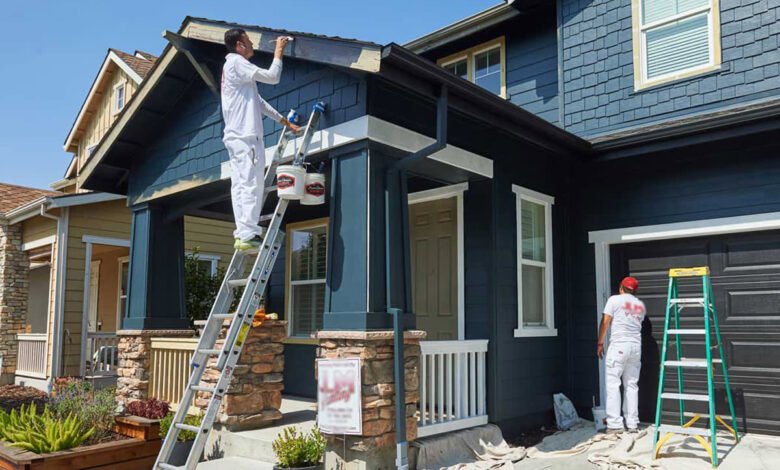
The exterior of any building plays a crucial role in creating a lasting first impression, protecting the structure from environmental damage, and enhancing overall aesthetic appeal. Hiring a skilled exterior painter is essential for achieving a flawless finish that not only looks professional but also provides long-term protection. Unlike interior painting, exterior painting involves a unique set of challenges, including exposure to weather elements, uneven surfaces, and the need for specialized materials. A professional exterior painter possesses the knowledge, tools, and experience necessary to handle these complexities, ensuring that every project is completed efficiently, safely, and with exceptional results.
Whether you are maintaining a residential property or overseeing a commercial building, understanding the role of an exterior painter can significantly impact the quality and longevity of your paint job. From proper surface preparation to selecting the right type of paint and ensuring thorough application, every step requires precision and expertise. In addition to aesthetic considerations, a well-executed exterior paint job also protects the building from moisture, mold, UV damage, and other environmental factors, making the choice of a qualified exterior painter an investment in both beauty and durability.
Why Hiring a Professional Exterior Painter Matters
Engaging a professional exterior painter offers numerous advantages that go beyond simply applying a fresh coat of paint. One of the most significant benefits is quality. Experienced painters understand how to handle different surfaces, including wood, stucco, brick, and metal, and they can apply coatings in a way that maximizes adhesion and longevity. A professional painter is also equipped with advanced tools and equipment, such as scaffolding, sprayers, and high-quality brushes and rollers, ensuring a uniform finish and thorough coverage.
Safety is another critical factor. Exterior painting often requires working at heights, handling chemicals, and navigating potentially hazardous surfaces. A trained exterior painter follows industry safety standards and uses appropriate protective gear, reducing the risk of accidents. Additionally, professionals are knowledgeable about local regulations and building codes, ensuring compliance with environmental guidelines, waste disposal requirements, and paint material restrictions. This expertise minimizes potential issues and provides peace of mind throughout the project.
Preparing for an Exterior Painting Project
Successful exterior painting begins with careful preparation. An exterior painter typically assesses the building to identify areas that require repair, such as cracks, peeling paint, or damaged surfaces. Cleaning the surface thoroughly is an essential step, as dirt, mildew, and debris can prevent paint from adhering properly. Depending on the condition of the structure, pressure washing may be employed to remove accumulated grime and old paint residues.
Priming is another crucial step in preparation. Applying the correct primer ensures that the paint bonds effectively and enhances durability, particularly on raw or repaired surfaces. Choosing the right type of primer depends on the material being painted and the desired finish. A professional exterior painter evaluates these factors and selects the optimal products for the project. Proper preparation not only contributes to the visual appeal of the finished work but also extends the lifespan of the paint, protecting the building from weathering and structural deterioration.
Selecting the Right Paint for Exterior Surfaces
One of the most important decisions in exterior painting is selecting the appropriate paint type. Different surfaces, climates, and architectural styles require specific formulations to achieve the best results. For example, acrylic paints are commonly used for their flexibility, UV resistance, and ability to withstand moisture. Oil-based paints offer durability and smooth finishes, particularly on metal or trim surfaces. Additionally, modern paints may include protective additives, such as mildew inhibitors, which are essential in humid or rainy climates.
Color selection also plays a significant role in exterior painting. Beyond personal preference, the choice of color can affect the perception of the building, highlight architectural features, and complement the surrounding environment. A professional exterior painter provides guidance on color schemes, finishes, and combinations, ensuring that the final result aligns with aesthetic goals while maintaining durability and low maintenance requirements.
Techniques and Tools Used by Exterior Painters
An experienced exterior painter utilizes a combination of techniques to achieve a flawless finish. Brushwork, rolling, and spraying are all employed depending on the surface type, texture, and project requirements. For large, flat areas, spraying may be more efficient, while brushes and rollers are preferred for detailed sections and trim work. Proper technique ensures even coverage, prevents streaks, and enhances the longevity of the paint job.
Equipment selection is equally important. Professional painters use high-quality tools and materials to achieve superior results. Ladders and scaffolding allow safe access to elevated surfaces, while pressure washers, sanders, and paint strippers aid in thorough surface preparation. Protective equipment, including masks, gloves, and eyewear, safeguards the painter from harmful fumes and debris. By combining expertise with specialized tools, an exterior painter delivers results that are both visually appealing and long-lasting.
Common Challenges in Exterior Painting Projects
Exterior painting comes with a unique set of challenges that require skill, experience, and problem-solving abilities. Weather conditions are one of the most significant factors, as rain, extreme heat, or wind can affect paint application and drying times. Professionals carefully plan projects around weather forecasts and adjust techniques accordingly to ensure optimal results. Surface irregularities, such as cracks, peeling paint, and uneven textures, also require expert handling to achieve a smooth finish.
Safety concerns are another challenge. Working at heights and handling chemicals pose inherent risks, which are mitigated through proper training and equipment. An experienced exterior painter anticipates these challenges, develops strategies to address them, and maintains a focus on safety, efficiency, and quality throughout the project.
Maintenance and Longevity of Exterior Paint
Once the exterior painting project is complete, ongoing maintenance is essential to preserve the appearance and protective qualities of the paint. Regular inspections help identify early signs of wear, such as fading, cracking, or peeling. Prompt repairs and touch-ups prevent minor issues from developing into costly damage. Cleaning the exterior surfaces periodically also maintains aesthetic appeal and prevents the buildup of dirt, mold, and mildew.
A professional exterior painter often provides guidance on maintenance routines, including recommended cleaning methods, touch-up procedures, and protective coatings. Following these recommendations can extend the life of the paint by several years, ensuring that the building remains visually appealing and structurally protected.
Cost Considerations for Hiring an Exterior Painter
The cost of hiring an exterior painter varies depending on the size of the project, surface type, paint quality, and labor requirements. While it may be tempting to hire unlicensed or inexperienced painters to reduce expenses, the long-term benefits of professional service typically outweigh the initial investment. Quality workmanship ensures durability, reduces maintenance costs, and prevents premature deterioration of the painted surfaces. Transparent pricing, detailed project estimates, and clear communication about materials and labor allow property owners to plan budgets effectively and make informed decisions.
Selecting the right exterior painter requires careful evaluation of experience, reputation, and expertise. Checking references, reviewing past projects, and verifying certifications or licenses are critical steps in ensuring quality. A professional painter should demonstrate knowledge of materials, techniques, and safety practices while providing clear communication and project timelines. Trustworthy painters also offer written contracts that outline the scope of work, costs, and warranties, giving clients confidence in the results and protecting both parties during the project.
Conclusion
The exterior of a building is one of its most important features, impacting both aesthetics and structural protection. Hiring a skilled exterior painter ensures that paint is applied correctly, surfaces are properly prepared, and long-lasting results are achieved. From selecting appropriate materials and colors to addressing unique challenges and maintaining safety, professional exterior painters combine expertise, tools, and techniques to deliver exceptional outcomes. Investing in a qualified painter not only enhances the visual appeal of a property but also protects it from environmental damage, extending the life of the exterior surfaces. For homeowners and property managers alike, understanding the role of an exterior painter is essential for achieving quality, durability, and lasting satisfaction in any painting project