How to Install a Fence Properly Using the Right Materials, Layout Planning, and Professional Techniques

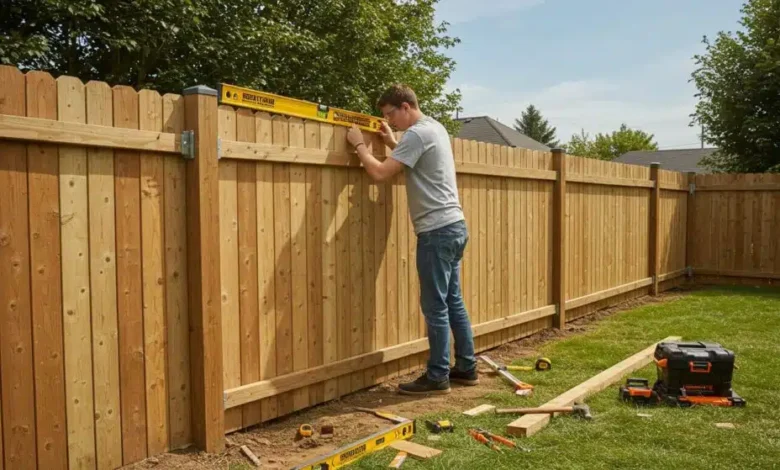
Fence installation is one of the most effective ways to enhance the security, privacy, and aesthetic appeal of any property. Whether you are a homeowner seeking to define boundaries, protect your family and pets, or increase your property’s value, installing a fence requires careful planning, material selection, and professional execution. A well-installed fence not only serves practical purposes but also complements the overall design of your outdoor space, making it an important investment that delivers long-term benefits.
Before beginning a fence installation project, it is essential to understand the primary purpose the fence will serve. Fences can provide security by preventing unauthorized access and creating a physical barrier around the property. They also enhance privacy, shielding your yard from neighbors and passersby while allowing you to enjoy outdoor activities without intrusion. In addition to these practical benefits, fences contribute to curb appeal and can complement landscaping and architectural styles, enhancing the overall aesthetic value of a property. Knowing the purpose of the fence helps determine the design, height, materials, and installation methods best suited for your needs.
Types of Fencing Materials
Fence installation involves selecting the right materials to meet both functional and aesthetic requirements. Common materials include wood, vinyl, chain-link, aluminum, and wrought iron, each offering unique advantages. Wood fences are popular for their natural appearance, versatility, and ability to be customized with stains or paints. Vinyl fencing is low-maintenance, weather-resistant, and available in a variety of styles and colors, making it ideal for homeowners seeking durability without frequent upkeep. Chain-link fences provide cost-effective security, while aluminum and wrought iron offer strength, elegance, and long-term durability. Choosing the right material depends on your priorities, budget, and the overall design of your property.
Planning and Design Considerations
Proper planning is critical to successful fence installation. This includes evaluating the layout of your property, identifying boundary lines, and determining the ideal placement of the fence. Local regulations and homeowner association rules must also be considered, as these may dictate fence height, style, and setback requirements. The design should balance functionality with aesthetic appeal, ensuring that the fence meets your needs while complementing the property’s overall appearance. Planning also involves estimating materials, preparing the ground, and setting a realistic budget to prevent delays and ensure a smooth installation process.
Site Preparation for Fence Installation
Site preparation is an important step that directly affects the durability and stability of the fence. The installation area should be cleared of debris, vegetation, and obstacles that may interfere with fence placement. In some cases, grading or leveling may be necessary to ensure the fence follows a straight and consistent line. Measuring and marking the fence layout accurately helps avoid mistakes during installation and ensures that gates, corners, and posts are positioned correctly. Proper site preparation sets the foundation for a successful fence installation that will last for years with minimal maintenance.
Installing Fence Posts
Fence posts form the structural backbone of any fence installation and require careful attention to ensure stability. Posts are typically set in the ground with concrete for added strength, although the depth and spacing may vary depending on the type of fence and soil conditions. Accurate placement of posts is essential for maintaining proper alignment and preventing sagging or leaning over time. The choice of post material—wood, metal, or vinyl—also influences the fence’s durability and appearance. Proper installation of fence posts ensures that the entire fence structure remains secure and withstands environmental factors such as wind, rain, and soil movement.
Attaching Fence Panels or Rails
Once the posts are securely in place, fence panels or rails are attached to complete the structure. The method of attachment varies depending on the type of fence. For example, wood fences often use horizontal rails to support vertical pickets, while vinyl and aluminum fences may utilize interlocking panels or brackets. Ensuring precise measurements and level placement of panels contributes to the overall appearance and structural integrity of the fence. This step requires attention to detail, as uneven or improperly aligned panels can compromise both the fence’s functionality and aesthetic appeal.
Installing Gates and Hardware
Gates are essential components of fence installation, providing access points while maintaining security and privacy. Proper installation of gates involves aligning them correctly with posts, ensuring smooth operation, and installing durable hardware such as hinges, latches, and locks. The design and placement of gates should complement the overall style of the fence and meet functional needs, whether for pedestrian access, vehicle entry, or decorative purposes. High-quality hardware and precise installation help prevent sagging, sticking, or premature wear, ensuring the gate functions reliably for years to come.
Finishing Touches and Maintenance
Finishing touches enhance the visual appeal and longevity of the fence. For wood fences, applying stain or sealant protects against moisture, rot, and UV damage, extending the life of the material. Vinyl and metal fences may require minimal finishing but should be inspected for scratches or damage during installation. Regular maintenance, including cleaning, repairing damaged sections, and treating wooden posts, helps maintain the fence’s appearance and functionality. A well-maintained fence continues to provide security, privacy, and curb appeal while reducing long-term repair costs.
Benefits of Professional Fence Installation
While some homeowners may attempt DIY fence installation, hiring a professional company offers significant advantages. Experienced professionals ensure precise measurements, proper post alignment, and secure attachment of panels and gates. They are familiar with local codes, zoning regulations, and best practices for different fence materials, reducing the risk of errors or legal issues. Professional installation also saves time, minimizes frustration, and guarantees a durable, high-quality fence that enhances the value and functionality of your property.
Cost Considerations
The cost of fence installation varies based on factors such as material choice, fence height, length, and complexity of the design. Additional costs may include gates, hardware, site preparation, and permits. While higher-quality materials and professional installation may require a larger initial investment, they often result in long-term savings by reducing maintenance and replacement expenses. Comparing estimates from multiple fencing companies and evaluating the value of materials and workmanship helps homeowners make informed decisions that balance cost with durability and aesthetics.
Enhancing Property Value and Curb Appeal
A well-installed fence adds value to your property by improving security, privacy, and visual appeal. It creates defined boundaries, enhances landscaping, and contributes to the overall attractiveness of the property. For potential buyers, a sturdy and aesthetically pleasing fence is an appealing feature that can differentiate your property in the real estate market. Investing in professional fence installation in Cary ensures that the fence not only meets practical needs but also positively impacts property value and overall presentation.
Final Thoughts
Fence installation is a strategic investment that combines security, privacy, and aesthetic improvement. From selecting the right materials and planning the layout to professional installation and ongoing maintenance, every step contributes to a durable and visually appealing fence. By understanding the process, evaluating your property’s needs, and working with experienced professionals, homeowners can achieve a fence that enhances safety, complements outdoor spaces, and increases long-term property value. Whether for functional or decorative purposes, a well-installed fence provides peace of mind, practical benefits, and lasting appeal.