What Makes a Roofing Company Trustworthy and Efficient for Residential and Commercial Roofing Projects

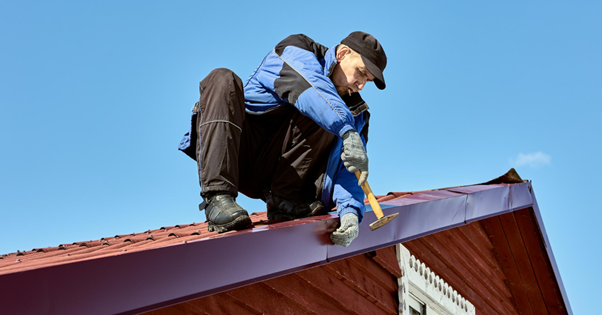
A strong and reliable roof is one of the most essential components of any property, providing protection from weather, enhancing structural integrity, and contributing to overall energy efficiency. Whether for residential or commercial buildings, the role of a professional roofing company is crucial in ensuring that roofing systems are installed, maintained, and repaired with precision and durability in mind. Choosing the right roofing company and understanding the services they provide can significantly impact the longevity of your roof, the safety of your property, and the value of your investment.
A roofing company specializes in the installation, repair, maintenance, and replacement of roofs using a variety of materials and techniques tailored to different structures and environmental conditions. These professionals are trained to assess roofing systems, identify potential issues, and implement effective solutions that meet both functional and aesthetic requirements. Beyond basic installation, a reputable roofing company also offers consultation services, helping property owners choose the right materials, designs, and maintenance strategies that align with their needs and budget.
The expertise of a roofing company extends to understanding building codes, safety regulations, and industry standards, ensuring that all work is compliant and durable. Their knowledge of different roofing systems, including flat roofs, pitched roofs, and specialized designs, allows them to handle projects of varying complexity with confidence and efficiency.
Types of Roofing Services Offered
Roofing companies provide a wide range of services that cater to different stages of a roof’s lifecycle. Installation services are typically required for new constructions or major renovations, where the roofing system is built from the ground up using selected materials such as asphalt shingles, metal panels, tiles, or membranes. Proper installation is critical because it determines the roof’s performance, durability, and resistance to environmental factors.
Repair services address issues such as leaks, damaged shingles, cracks, and structural weaknesses. Timely repairs prevent minor problems from escalating into costly replacements and help maintain the integrity of the building. Maintenance services involve regular inspections, cleaning, and minor adjustments that extend the lifespan of the roof and reduce the likelihood of unexpected failures.
Roof replacement is another key service provided by roofing companies, typically required when a roof reaches the end of its lifespan or sustains extensive damage. This process involves removing the existing roofing system and installing a new one, often incorporating improved materials and modern techniques for enhanced performance.
Importance of Hiring a Professional Roofing Company
Hiring a professional roofing company is essential for ensuring quality workmanship, safety, and long-term reliability. Roofing projects involve working at heights, handling heavy materials, and using specialized tools, all of which require proper training and safety measures. Attempting to handle roofing tasks without professional expertise can result in accidents, poor workmanship, and additional expenses.
Professional roofing companies bring experience and technical knowledge that allow them to identify underlying issues that may not be visible to an untrained eye. They use advanced tools and techniques to ensure accurate installation and repairs, minimizing the risk of future problems. Additionally, reputable companies often provide warranties on their work, offering peace of mind and protection against defects or failures.
Key Factors to Consider When Choosing a Roofing Company
Selecting the right roofing company requires careful evaluation of several factors to ensure that you receive reliable and high-quality service. Experience is one of the most important considerations, as companies with a proven track record are more likely to deliver consistent results. Checking customer reviews and testimonials can provide insights into the company’s reputation and service quality.
Licensing and insurance are critical aspects that should never be overlooked. A licensed roofing company demonstrates compliance with local regulations and industry standards, while insurance coverage protects both the workers and the property owner in case of accidents or damages during the project.
Transparency in pricing and communication is another key factor. A trustworthy roofing company provides detailed estimates, clearly outlining costs, materials, and timelines. This helps avoid misunderstandings and ensures that the project stays within budget.
Roofing Materials and Their Benefits
Roofing companies work with a variety of materials, each offering unique advantages in terms of durability, cost, and aesthetic appeal. Asphalt shingles are among the most popular choices due to their affordability, ease of installation, and versatility in design. Metal roofing is known for its longevity, energy efficiency, and resistance to extreme weather conditions.
Tile roofing provides a classic and elegant appearance, along with excellent durability and fire resistance. Flat roofing systems, often used in commercial buildings, utilize materials such as rubber membranes or modified bitumen for effective waterproofing and ease of maintenance.
Choosing the right material depends on factors such as climate, budget, building structure, and personal preferences. A professional roofing company can guide you in selecting the most suitable option for your specific needs.
The Roofing Process Explained
Understanding the roofing process helps property owners prepare for the project and ensure smooth execution. The process typically begins with an inspection and assessment, where the roofing company evaluates the condition of the existing roof and identifies any issues.
This is followed by planning and material selection, where design preferences, budget constraints, and functional requirements are considered. Once the plan is finalized, the installation or repair work begins, involving removal of old materials, preparation of the surface, and application of the new roofing system.
After completion, a final inspection is conducted to ensure that the work meets quality standards and addresses all identified issues. Cleanup and disposal of debris are also important steps, leaving the property in a safe and tidy condition.
Maintenance Strategies for Long-Term Performance
Regular maintenance is essential for preserving the performance and longevity of a roof. Roofing companies often offer maintenance plans that include periodic inspections, cleaning, and minor repairs. These services help identify potential issues early and prevent costly damage.
Keeping gutters clean, removing debris, and checking for signs of wear or damage are simple yet effective maintenance practices. Addressing minor issues promptly ensures that the roof remains in good condition and continues to provide reliable protection.
Seasonal maintenance is particularly important, as weather changes can impact the roof’s condition. Preparing the roof for extreme conditions such as heavy rain or high temperatures helps reduce the risk of damage.
Cost Considerations and Budget Planning
The cost of roofing services varies depending on factors such as the size of the roof, the type of materials used, and the complexity of the project. While it may be tempting to choose the lowest-cost option, it is important to consider the quality of materials and workmanship, as these factors directly affect the roof’s durability and performance.
Investing in high-quality materials and professional services may result in higher upfront costs but often leads to long-term savings by reducing the need for frequent repairs or replacements. Obtaining multiple estimates and comparing services can help you make an informed decision that balances cost and quality.
Environmental and Energy Efficiency Benefits
Modern roofing solutions often incorporate energy-efficient and environmentally friendly features that contribute to sustainability. Reflective roofing materials can reduce heat absorption, lowering cooling costs and improving indoor comfort.
Green roofing systems, which include vegetation and soil layers, provide insulation, improve air quality, and reduce stormwater runoff. Proper insulation and ventilation also play a significant role in enhancing energy efficiency and reducing environmental impact.
A professional roofing company can recommend eco-friendly options that align with your sustainability goals while maintaining performance and durability.
Enhancing Property Value with Quality Roofing
A well-maintained and professionally installed roof significantly enhances the value and appeal of a property. It creates a positive first impression, improves structural integrity, and provides assurance to potential buyers or tenants.
Roofing upgrades, such as modern materials or improved insulation, can increase energy efficiency and reduce maintenance costs, making the property more attractive in the long term. Investing in a reliable roofing company ensures that these benefits are fully realized.
Final Thoughts
Working with a professional roofing company is essential for ensuring the safety, durability, and efficiency of your roofing system. From installation and repairs to maintenance and upgrades, these experts provide the knowledge and skills needed to protect your property and enhance its value.
By understanding the services offered, evaluating potential companies carefully, and investing in quality materials and workmanship, property owners can achieve long-lasting results and peace of mind. A strong and well-maintained roof is not just a structural necessity; it is a vital component of a safe, comfortable, and valuable property.