Mold Remediation Process Explained: Step-by-Step Solutions for Removing Mold and Preventing Future Growth

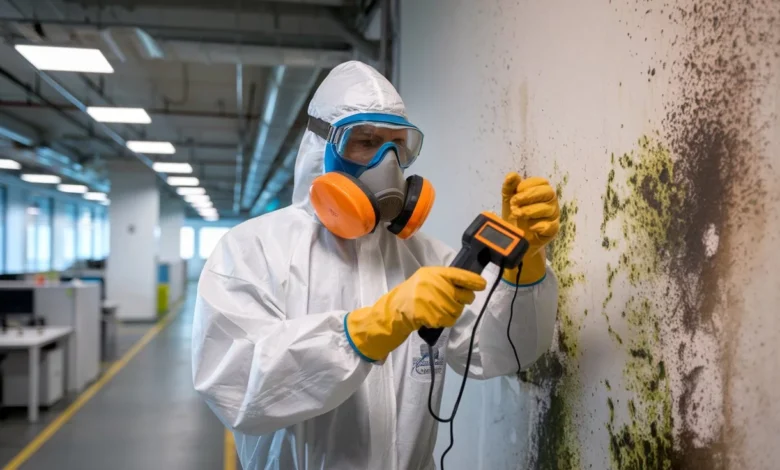
Mold growth is a common yet often underestimated problem that can affect homes, offices, and commercial spaces. While it may begin as a minor inconvenience, mold can quickly spread and lead to serious structural damage and health concerns if not addressed promptly. Understanding the causes, effects, and solutions for mold issues is essential for maintaining a safe and comfortable environment.
Mold thrives in damp, humid conditions and can develop in hidden areas such as behind walls, under flooring, or inside ventilation systems. Because it often grows out of sight, many people are unaware of its presence until it becomes a significant issue. This is why timely and effective mold remediation is crucial.
Understanding Mold and Its Causes
Mold is a type of fungus that reproduces through tiny airborne spores. These spores are present almost everywhere, both indoors and outdoors. When they land on a moist surface, they begin to grow and multiply rapidly.
Several factors contribute to mold growth. Excess moisture is the primary cause, often resulting from leaks, flooding, or high humidity levels. Poor ventilation can also create an environment where moisture accumulates, encouraging mold development.
Organic materials such as wood, drywall, and carpet provide an ideal food source for mold. Once mold begins to grow on these surfaces, it can spread quickly, especially in warm and damp conditions.
Understanding these causes is the first step in preventing mold problems. By controlling moisture and improving ventilation, you can significantly reduce the risk of mold growth.
Signs of Mold Infestation
Detecting mold early can prevent extensive damage and costly repairs. However, mold is not always visible, making it important to recognize other warning signs.
One of the most common indicators is a musty odor. This smell often suggests mold growth even if it is not immediately visible. Discoloration on walls, ceilings, or floors—such as black, green, or white spots—can also indicate mold presence.
Peeling paint or wallpaper may be another sign, as moisture buildup can weaken surfaces and create conditions for mold growth. Additionally, persistent dampness or condensation on windows and walls should not be ignored.
Health symptoms can also signal mold issues. These may include allergies, respiratory problems, headaches, and skin irritation. Individuals with asthma or weakened immune systems are particularly vulnerable.
The Importance of Mold Remediation
Mold is not just an aesthetic problem; it can pose serious risks to both property and health. Left untreated, mold can weaken structural materials, leading to costly repairs and potential safety hazards.
From a health perspective, mold exposure can trigger allergic reactions and respiratory issues. In some cases, prolonged exposure may lead to more severe health conditions.
Mold remediation is the process of identifying, removing, and preventing mold growth. It involves more than just cleaning visible mold—it addresses the underlying causes to ensure that mold does not return.
Proper remediation helps restore indoor air quality, protect property value, and create a safer living environment.
Steps Involved in Mold Remediation
Effective mold remediation requires a systematic approach to ensure complete removal and prevention of future growth.
Inspection and Assessment
The first step is a thorough inspection to identify the extent of mold growth and its source. Professionals use specialized tools such as moisture meters and infrared cameras to detect hidden mold.
Containment
To prevent mold spores from spreading, affected areas are sealed off using plastic barriers and negative air pressure systems. This step is essential for protecting unaffected areas.
Removal of Contaminated Materials
Materials that are heavily affected by mold, such as drywall, insulation, or carpeting, may need to be removed and disposed of. This ensures that mold does not continue to spread.
Cleaning and Disinfection
Surfaces are cleaned using specialized solutions designed to eliminate mold spores. Non-porous materials can often be salvaged through thorough cleaning.
Drying and Dehumidification
Eliminating moisture is critical to preventing mold from returning. Industrial-grade dehumidifiers and air movers are used to dry affected areas completely.
Restoration
The final step involves repairing or replacing damaged materials to restore the space to its original condition.
Preventing Future Mold Growth
Prevention is a key aspect of maintaining a mold-free environment. By addressing the root causes of mold, you can reduce the likelihood of recurrence.
Controlling humidity levels is one of the most effective strategies. Using dehumidifiers and ensuring proper ventilation can help maintain optimal indoor conditions.
Fixing leaks promptly is also essential. Whether it is a leaking roof, pipe, or appliance, addressing the issue quickly prevents moisture buildup.
Regular cleaning and maintenance can further reduce the risk of mold growth. Pay special attention to areas prone to moisture, such as bathrooms, kitchens, and basements.
Using mold-resistant materials during renovations can provide additional protection. These materials are designed to withstand moisture and inhibit mold growth.
DIY vs Professional Mold Remediation
While small mold problems can sometimes be handled independently, larger infestations require professional intervention.
DIY methods may be suitable for minor mold growth on non-porous surfaces. However, without proper equipment and knowledge, it can be difficult to completely eliminate mold and prevent its return.
Professional mold remediation services offer several advantages. They have the expertise, tools, and protective equipment needed to handle mold safely and effectively. They can also identify hidden mold and address underlying issues.
In many cases, hiring professionals is the most reliable way to ensure thorough remediation and long-term results.
Health and Safety Considerations
Safety is a top priority during mold remediation. Exposure to mold spores can be harmful, making it important to use protective gear such as gloves, masks, and goggles.
Proper ventilation is essential to reduce exposure during the remediation process. Sealing off affected areas helps prevent spores from spreading to other parts of the building.
It is also important to follow safety guidelines when using cleaning chemicals. Ensure that products are used according to instructions and stored safely.
For individuals with health conditions, it is advisable to avoid areas undergoing remediation until the process is complete.
Cost Factors in Mold Remediation
The cost of mold remediation can vary depending on several factors, including the size of the affected area, the severity of the infestation, and the materials involved.
Minor mold issues may require minimal expense, while extensive infestations involving structural damage can be more costly. Additional factors such as accessibility and the need for specialized equipment can also influence costs.
Investing in professional remediation may seem expensive initially, but it can save money in the long run by preventing further damage and health issues.
Obtaining multiple estimates and choosing reputable service providers can help ensure quality work at a fair price.
Long-Term Benefits of Proper Mold Management
Addressing mold issues promptly and effectively offers numerous long-term benefits. A mold-free environment improves indoor air quality, reducing health risks for occupants.
Proper mold remediation also protects the structural integrity of a building, preserving its value and longevity. Regular maintenance and preventive measures can further enhance these benefits.
In addition, a clean and healthy environment contributes to overall well-being and comfort. Whether at home or in the workplace, maintaining a mold-free space is essential for a better quality of life.
Conclusion
Mold remediation is a critical process for maintaining a safe, healthy, and structurally sound environment. By understanding the causes of mold, recognizing early signs, and taking appropriate action, you can prevent minor issues from becoming major problems.
Whether you choose to handle small mold issues yourself or rely on professional services for larger infestations, the key is to act promptly and effectively. Combining remediation with preventive measures ensures long-lasting results and peace of mind.
With the right approach, you can protect your property and health while creating a cleaner and more comfortable living space for years to come.