Crawlspace Encapsulations: Long-Term Solutions for Moisture and Structural Issues

Understanding Crawlspace Encapsulations
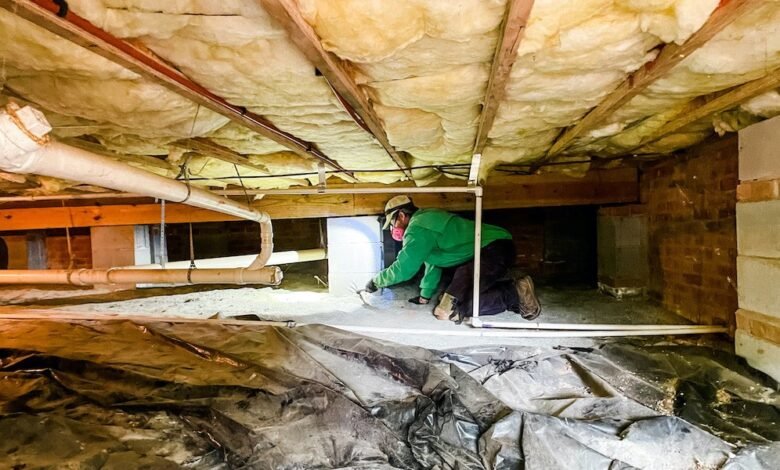
Crawlspace encapsulation is a critical process designed to protect a home’s foundation, improve indoor air quality, and prevent moisture-related problems that can compromise both structural integrity and occupant health. Many homeowners overlook the condition of their crawlspace, assuming it is a low-priority area because it is rarely visible. However, crawlspaces are highly susceptible to water intrusion, mold growth, pest infestations, and soil shifting, all of which can undermine a home’s foundation if not properly addressed. Encapsulation involves sealing the crawlspace with a heavy-duty vapor barrier, insulating walls and floors, and installing drainage systems when necessary to control moisture levels. By controlling humidity and preventing water infiltration, homeowners can protect their investment, extend the life of the foundation, and create a healthier living environment throughout the home. Professional guidance is often essential, and relying on expert foundation repair services ensures that the encapsulation process is executed correctly and provides long-term protection.
Causes of Crawlspace Problems
Several factors contribute to crawlspace deterioration, and understanding these causes is crucial for effective encapsulation. One of the most common issues is moisture intrusion from rain, snowmelt, or high groundwater levels. Water entering through foundation cracks, vents, or improperly graded soil can accumulate under the home, creating a damp environment that promotes mold, mildew, and wood rot. Poor ventilation is another contributing factor, as crawlspaces without adequate airflow allow humidity to build up, creating favorable conditions for mold growth and structural decay. Pest infestations, including termites, rodents, and insects, are also prevalent in unsealed crawlspaces, and they can further damage wooden supports, insulation, and wiring. Lastly, uneven settling of soil beneath the crawlspace can lead to foundation cracks and shifts, exacerbating moisture problems and compromising the structural stability of the home. Addressing these factors through a comprehensive crawlspace encapsulation plan is essential to preventing costly repairs in the future.
Signs That Crawlspace Encapsulation Is Needed
Homeowners should be vigilant in recognizing signs of crawlspace problems that indicate the need for encapsulation. Damp or musty odors in the home, high humidity levels, visible mold growth, and standing water under the home are clear indicators of excessive moisture. Sagging or uneven floors, doors that stick, and cracks in walls or ceilings may also signal structural stress originating from an inadequately protected crawlspace. In addition, homeowners might notice pest activity, such as droppings, gnaw marks, or insect damage, all of which point to vulnerabilities in the crawlspace environment. By identifying these warning signs early and consulting expert foundation repair services, homeowners can implement a targeted encapsulation strategy that addresses both moisture control and structural stabilization, reducing long-term risks and protecting the home’s value.
Steps Involved in Crawlspace Encapsulation
The crawlspace encapsulation process is multifaceted and requires careful planning to ensure effectiveness. The first step typically involves cleaning and preparing the crawlspace by removing debris, old insulation, and any mold-contaminated materials. Once the area is cleared, damaged wooden supports or beams are repaired, and any cracks or gaps in the foundation walls are sealed. Installing a vapor barrier is the next crucial step, as it prevents moisture from the soil from entering the crawlspace. This barrier is usually a thick, durable plastic sheeting that covers the floor, walls, and sometimes the piers of the foundation to create a continuous seal. Insulation is then applied to the crawlspace walls and, in some cases, under the floor of the home above. Proper insulation helps regulate temperature, reduce energy costs, and maintain consistent humidity levels. Finally, drainage systems and sump pumps may be installed to manage water accumulation, ensuring that the encapsulated space remains dry even during heavy rainfall. Professional installation by expert foundation repair services guarantees that each step is executed to code and that the encapsulation provides maximum long-term protection.
Benefits of Crawlspace Encapsulation
Crawlspace encapsulation offers a wide range of benefits, making it an essential investment for homeowners concerned with both structural integrity and indoor air quality. By controlling moisture, encapsulation prevents mold growth, wood rot, and rusting of metal components, which can otherwise lead to costly repairs and health hazards. A dry crawlspace also discourages pest infestations, reducing the risk of termite damage, rodents, and other intrusive wildlife. In addition to structural benefits, encapsulation significantly improves energy efficiency by reducing heat loss through the floor and walls above the crawlspace. This creates a more comfortable living environment and lowers energy bills by maintaining consistent indoor temperatures. Encapsulation can also prevent foul odors and reduce allergens in the home, contributing to better air quality and a healthier living space. Homes with properly encapsulated crawlspaces tend to have higher resale value, as buyers recognize the investment in both structural protection and indoor comfort.
Integrating Crawlspace Encapsulation with Foundation Repair
Crawlspace encapsulation is often most effective when integrated with foundation repair, especially in homes that show signs of settling, cracks, or bowing walls. Water intrusion and soil movement are primary contributors to foundation stress, and by addressing these factors through encapsulation, homeowners can reduce pressure on foundation walls and piers. Techniques such as underpinning, piering, or wall stabilization may be employed alongside encapsulation to ensure that both moisture and structural issues are addressed comprehensively. Installing drainage systems and a sump pump as part of the encapsulation process is often recommended to channel water away from vulnerable areas, further reinforcing foundation stability. Homeowners who consult expert foundation repair services can develop a customized plan that combines structural repairs with crawlspace encapsulation, ensuring the home remains safe, stable, and dry for years to come.
Maintenance and Long-Term Care
Once a crawlspace is encapsulated, ongoing maintenance is crucial to preserve its effectiveness and the structural integrity of the home. Homeowners should periodically inspect the vapor barrier for tears, punctures, or displaced sections, and verify that drainage systems are functioning properly. Sump pumps should be tested regularly to ensure they operate efficiently and prevent water accumulation. Monitoring humidity levels within the crawlspace is also important, as excessive moisture can compromise even the best-installed encapsulation system. Professional inspections from expert foundation repair services every few years can provide assurance that the crawlspace remains sealed, structurally sound, and free from potential moisture intrusion. Proper maintenance not only protects the home but also extends the life of the encapsulation system, maximizing the return on investment.
Common Misconceptions About Crawlspace Encapsulation
Several misconceptions exist regarding crawlspace encapsulation that may lead homeowners to underestimate its importance. One common myth is that ventilation alone is sufficient to control moisture; however, unvented, sealed crawlspaces with proper vapor barriers are often more effective at preventing humidity-related problems. Another misconception is that encapsulation is purely cosmetic or optional. In reality, it protects the foundation, improves indoor air quality, reduces energy costs, and prevents structural damage, making it an essential aspect of long-term home maintenance. Some homeowners also assume that encapsulation alone can address foundation issues, but the most effective approach combines moisture control with foundation stabilization, ensuring that the home is protected on multiple levels. Consulting expert foundation repair services ensures that encapsulation is performed correctly and integrated with any necessary structural improvements, providing comprehensive protection.
Conclusion
Crawlspace encapsulation is a vital investment for homeowners seeking to protect their home’s foundation, improve indoor air quality, and prevent costly moisture-related problems. By sealing the crawlspace, installing vapor barriers, insulating walls, and integrating drainage solutions, homeowners can create a dry, safe, and energy-efficient environment beneath the home. Encapsulation not only protects against mold, rot, and pests but also enhances structural stability, particularly when combined with foundation repair measures. Consulting expert foundation repair services ensures that both moisture control and structural issues are addressed effectively, providing long-term protection and peace of mind. Ongoing maintenance and professional inspections help preserve the integrity of the encapsulation system and the foundation it protects, making it a durable solution for years to come. By understanding the causes, benefits, and process of crawlspace encapsulation, homeowners can make informed decisions that safeguard their property, enhance comfort, and maximize the long-term value of their investment.