Choosing the right coworking software has become one of the most important decisions for space operators heading into 2026. The industry is no longer just about managing desks and memberships, it’s about creating a fully connected digital ecosystem that handles bookings, billing, access, communication, and community engagement in one place. The wrong tool can create friction, while the right one can completely transform operations.
Many coworking operators struggle because they compare tools based only on features, not on how well those features work together in real-world operations. A system might look powerful on paper but still require manual work behind the scenes. This is why understanding integration, automation, and scalability is essential before making a decision.
A modern platform should act as the operational backbone of your space, not just a booking system. It should reduce staff workload, improve member experience, and provide clear insights into performance. In this guide, we’ll break down how to evaluate coworking software and what separates leading platforms from the rest.
What Makes Great Coworking Software in 2026
Coworking software in 2026 is expected to do far more than simple desk reservations. It should automate daily operations, reduce administrative workload, and give operators a complete overview of their business. The focus has shifted from basic functionality to deep integration and intelligent automation.
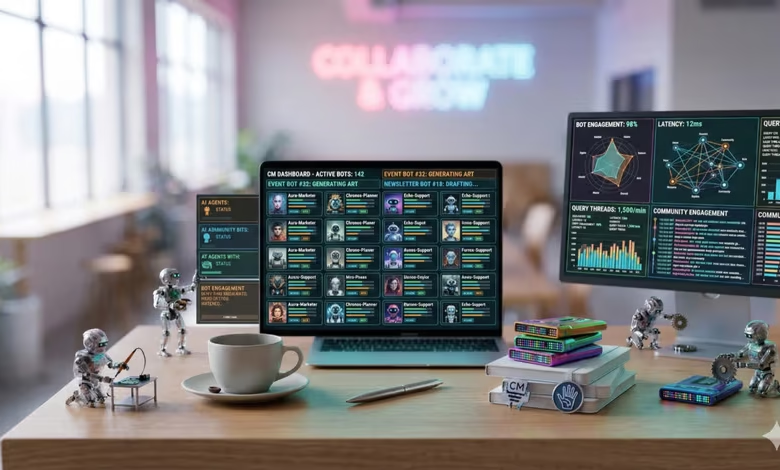
The most effective platforms unify multiple systems into one dashboard. Instead of juggling separate tools for billing, access control, and communication, operators can manage everything centrally. This reduces errors, saves time, and ensures consistency across all member interactions.
Great software also prioritizes scalability. Whether managing a single location or a multi-city network, the system should adapt without requiring complex reconfiguration or additional overhead.
Key Factors to Compare When Choosing Coworking Software
Before selecting a platform, operators should evaluate how well it handles core operational areas. These include member management, billing automation, space utilization, and reporting. Each feature should not only exist but also work seamlessly with the others.
Another critical factor is user experience. Members expect smooth mobile access, instant bookings, and easy communication. If the system feels outdated or complicated, it directly impacts retention and satisfaction.
Finally, integration capabilities are essential. The best systems connect with access control devices, payment gateways, and communication tools, creating a fully automated environment.
Automation and Operational Efficiency
Automation is one of the most important aspects of modern coworking software. It eliminates repetitive tasks such as invoicing, check-ins, and membership updates. This allows operators to focus more on community building and growth instead of administrative work.
Platforms like coworking space member support software also help reduce workload by managing member requests through centralized ticketing systems. This ensures that support issues are handled efficiently without requiring constant staff intervention.
Member Experience and Self-Service Tools
Member experience is now a key differentiator in coworking spaces. The best software allows members to manage everything themselves, from booking desks to accessing invoices and support.
A seamless self-service experience reduces dependency on staff and improves satisfaction. Members can interact with the space directly through mobile apps, making the entire process faster and more convenient.
Data, Insights, and Performance Tracking
Understanding performance is essential for growth. Modern coworking platforms provide detailed dashboards that show occupancy, revenue trends, and member activity. This is where coworking space analytics becomes a critical part of decision-making.
With strong analytics, operators can identify peak usage times, optimize pricing strategies, and make informed decisions about expansion or layout changes. Data transforms coworking management from reactive to proactive.
Comparing Top Coworking Software Approaches
Not all coworking software solutions are built the same. Some focus heavily on booking systems, while others emphasize billing or community features. The key is understanding which approach aligns best with your business model.
All-in-one platforms are becoming more popular because they reduce fragmentation. Instead of relying on multiple disconnected tools, operators can manage everything from one system. This improves efficiency and reduces the risk of data inconsistencies.
On the other hand, modular systems allow more customization but often require more maintenance and integration effort.
Integrated Platforms vs Standalone Tools
Integrated platforms combine multiple functions such as booking, billing, access control, and communication into one system. This reduces complexity and improves operational flow.
Standalone tools may offer deeper functionality in one area but often require manual syncing with other systems. This can lead to inefficiencies and increased workload for staff.
Scalability for Multi-Location Spaces
Scalability is a major factor when choosing coworking software. Multi-location operators need systems that can handle multiple spaces under one unified structure.
Platforms that support centralized management allow operators to expand without rebuilding their operational systems. This ensures consistency in member experience and simplifies administration across cities.
How to Evaluate the Right Software for Your Space
The best way to evaluate coworking software is to test how it performs in real operational scenarios. This includes onboarding new members, processing payments, managing bookings, and handling support requests.
Operators should also consider long-term flexibility. A system that works today should also support future growth without requiring migration to a new platform.
It is also helpful to review how companies position themselves in the market. For example, reviewing insights from Spacebring’s approach to coworking software shows how modern platforms focus on automation, integration, and member-first design principles.
Importance of Support and Reliability
Reliable customer support is essential when dealing with operational software. Even the best systems require occasional troubleshooting, and fast support ensures minimal disruption.
Platforms that offer strong documentation, onboarding assistance, and responsive support teams provide more value in the long run. This is especially important for non-technical operators.
Security and Access Control Integration
Security is another key consideration. The software should integrate with access control systems to ensure that only active members can enter the space.
Real-time updates to permissions and secure authentication methods help maintain safety while reducing manual oversight. This is critical for both single-location and multi-location coworking spaces.
Making the Final Decision
Choosing coworking software is not just a technical decision, it is a strategic business decision. The right platform will directly impact efficiency, member satisfaction, and long-term scalability.
Operators should prioritize systems that offer automation, integration, and strong analytics. These three pillars ensure that the space runs efficiently while remaining flexible for future growth.
By carefully comparing tools and focusing on operational impact rather than just features, coworking space owners can select a solution that truly supports their business goals.
FAQs
What is coworking software used for?
Coworking software is used to manage memberships, bookings, billing, access control, communication, and analytics within a coworking space.
Why is automation important in coworking software?
Automation reduces manual tasks like invoicing, check-ins, and support handling, allowing operators to focus on growth and community building.
What is the benefit of coworking space analytics?
coworking space analytics helps operators understand occupancy, revenue trends, and member behavior, enabling better business decisions.
Should I choose an all-in-one coworking platform?
All-in-one platforms are often preferred because they integrate multiple functions into one system, reducing complexity and improving efficiency.
How important is member support software?
Using coworking space member support software ensures that member issues are handled quickly and efficiently through centralized ticketing systems.
Conclusion
Selecting the right coworking software in 2026 requires a careful balance of automation, integration, scalability, and user experience. The best platforms go beyond basic management and become the operational backbone of the entire space. By focusing on tools that combine booking, billing, analytics, and support into one unified system, coworking operators can significantly improve efficiency and deliver a seamless experience for their members while preparing for long-term growth.