In the UK’s damp, variable climate, a neglected or poorly managed lawn doesn’t just look off. It drags down the whole garden’s health. It affects soil vitality, plant resilience, wildlife support, and even your own enjoyment.
The flip side? Consistent, smart lawn care acts like a foundation upgrade—boosting root strength, nutrient flow, biodiversity, disease resistance, and that lush, vibrant feel.
Ready to discover how simple habits can transform your entire outdoor space for the better?
Improve Soil Health Through Lawn Care
Healthy soil is the backbone of a vibrant garden. Aerating allows air, water, and nutrients to reach deeper, strengthening plants from the roots up.
Adding organic topdressing is also a good practice. It enriches the soil, which supports stronger growth and more colourful plants. Having done that, you should check your soil’s pH periodically, and ensure it’s perfectly balanced for the species you’re growing.
Taking these steps now saves time and effort later, making your garden more resilient and easier to maintain.
Regularly testing and amending your soil can prevent long-term problems, like compacted ground or nutrient deficiencies. For instance, sandy soils may need extra organic matter to retain moisture, while clay-heavy soils benefit from more aeration.
Finally, adding mulch or compost around flower beds and borders further protects soil structure, locks in moisture, and feeds plants slowly over time.
Choose the Right Compost
Using nutrient-rich compost is an easy way to give your lawn a boost while reducing reliance on chemical fertilisers. Spread it evenly to improve soil fertility, help plants develop deeper roots, and conserve water.
High-quality compost also encourages beneficial microbes, creating a healthier, more robust garden ecosystem. Investing a little time in soil care pays dividends in a tougher, greener lawn.
When selecting compost, look for blends that include well-rotted organic matter, seaweed extracts, or trace minerals.
These enrich the soil naturally and provide long-lasting nutrients for your plants. Avoid cheap or “ready-mix” options with little organic content, though, as they won’t deliver the same benefits.
Compost can also help your garden weather extreme UK seasons. During dry spells, it retains moisture, and in wet periods, it improves drainage and prevents waterlogging.
Regularly topping up your lawn with a thin layer of compost strengthens its resilience, encouraging healthier grass that resists weeds and disease.
Select Grass That Suits Your Garden
Choosing the right grass type can transform your garden’s health and appearance. Pick varieties suited to your local climate and soil conditions to reduce maintenance and keep your lawn looking lush.
Drought-resistant grasses are especially helpful in drier areas of the UK—they need less water, thrive naturally, and support eco-friendly gardening practices. Mixing grass types can also make your lawn more resilient, reduce watering needs, and protect against seasonal stress.
Consider the sun and shade patterns in your garden when selecting grass. Some varieties, like fescues, handle partial shade well, while ryegrass excels in full sun.
Experimenting with blends of grass species can make your lawn more robust. For example, combining deep-rooted and fast-growing types improves resistance to drought, wear, and foot traffic.
Water Your Lawn Efficiently
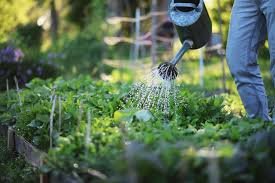
Watering correctly is crucial for a strong, healthy lawn. Deep, infrequent watering encourages roots to grow downwards, helping grass withstand dry spells.
Using drip irrigation or soaker hoses directs water straight to the soil, avoiding waste and saving on bills. Early morning is the optimal time to water, allowing plants to absorb moisture before the heat of the day.
Collecting rainwater is another simple way to reduce water use and help the environment. Adjust your watering routine with the seasons to keep your garden thriving all year.
Mulching around plants and garden beds helps retain soil moisture, reducing the need for frequent watering. Even a simple layer of compost or bark chips can slow evaporation and keep roots hydrated.
Keep an eye on your lawn for signs of water stress, such as curling blades or a bluish tint. By responding promptly, you can adjust watering and avoid long-term damage.
Mow Smartly for Healthier Grass
How you mow affects more than appearance—it affects the entire ecosystem of your lawn. Taller grass shades soil, suppresses weeds, and retains moisture.
Sharp mower blades give clean cuts, letting grass recover quickly and remain strong. Leaving clippings on the lawn returns nutrients naturally, reducing the need for chemical fertilisers.
It’s recommended to establish a mowing schedule that matches growth patterns. That’s how you can save time, protect the environment, and keep your lawn healthy for years to come.
Vary your mowing patterns to prevent soil compaction and create a more even lawn. Changing directions each session helps grass grow upright and reduces unsightly tracks from mower wheels.
This simple technique also encourages thicker turf, which naturally crowds out weeds and strengthens your lawn’s root system.
Control Weeds Without Chemicals
Weeds don’t have to be a chemical problem. Regularly pulling them out by hand and adding mulch helps prevent growth naturally.
Mulch keeps soil moist and blocks sunlight from reaching unwanted seeds. Meanwhile, landscape fabric or thicker mulch layers act as a simple weed barrier. For stubborn weeds, a splash of vinegar can do the trick without harming other plants.
Planting dense, healthy grass also discourages weeds from taking hold. A thick lawn leaves little room for invasive species to grow, reducing the need for intervention. Combined with spot treatments and manual removal, this approach keeps your garden chemical-free and safe.
Encourage companion planting in borders and beds. Herbs, ground covers, or flowering plants can shade soil and outcompete weeds naturally.
Manage Pests Through Lawn Health
A healthy lawn naturally keeps pests in check. Strong, well-maintained grass encourages beneficial insects like ladybirds and lacewings, which hunt aphids and other nuisances.
Organic repellents, such as neem oil, provide extra protection without harsh chemicals. By nurturing your lawn’s health, you reduce the need for pesticides and create a safer, more balanced garden for everyone.
Monitoring your garden regularly helps you catch pest issues early. Look for damaged leaves, discoloured patches, or unusual insect activity. Prompt attention prevents problems from spreading and reduces the need for chemical treatments.
Encourage biodiversity to create natural pest control. Flowers, shrubs, and hedgerows attract predator insects and birds, which balance pest populations.
Consider Professional Lawn Care
For gardeners who want expert help, working with lawn care professionals can take a lot of stress out of maintaining a healthy outdoor space.
These experts can assess soil health, recommend suitable grass and plants, and implement eco-friendly watering and fertilisation strategies. Professional services also bring specialist equipment and knowledge to tackle bigger lawns or complex gardens.
Whether it’s aerating compacted soil, creating compost systems, or advising on drought-resistant species, lawn care professionals help you achieve a lush, resilient lawn with minimal effort.
Their guidance can save time, reduce costs, and ensure your garden thrives sustainably all year round.
Conclusion
Thoughtful lawn care is the foundation of a beautiful garden. From soil improvement and grass selection to organic practices, each step strengthens your plants, conserves resources, and reduces costs.
Following these tips—and considering professional help when needed. You’ll create a vibrant garden that looks amazing throughout the year. With a little planning, your outdoor space can thrive naturally and effortlessly.