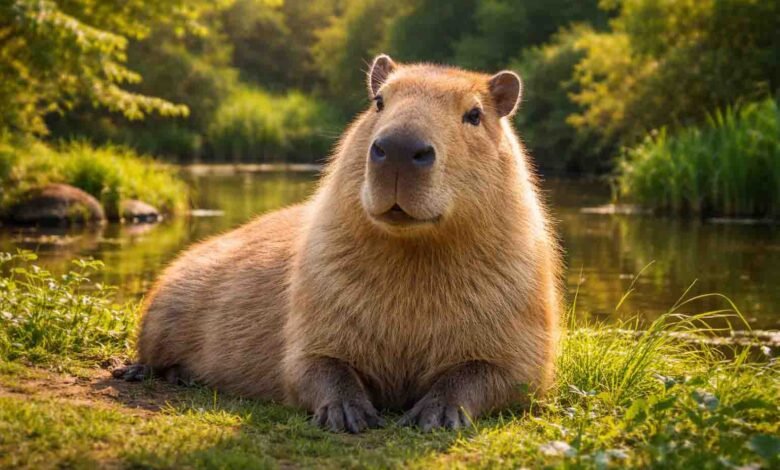
Cadibaras are known all over the world for being calm, gentle, and friendly. People love how peaceful they are, and how they get along with almost everyone. If you have ever seen a picture of a cadibara relaxing in water or sitting quietly with other animals, you already know why they are so special.
In this article, we will explore everything that makes the cadibara such a friendly and lovable animal. We will talk about where they live, what they eat, how they look, and why they enjoy being around others. We will also learn how they talk, how they live in groups, and why people everywhere admire them so much.
Cadibaras have a very soft way of living. They do not rush. They do not fight unless they must. They enjoy simple moments, like resting in warm sun or swimming with their group. That is why many people call them the most peaceful animals on Earth.
What Is a Cadibara?
A cadibara is the largest rodent in the world, but it is also one of the calmest ones. Even though it looks big and strong, it has a soft heart and a gentle nature. Its scientific name is Hydrochoerus hydrochaeris, but most people simply call it a capybara or a cadibara.
Cadibaras are semi-aquatic animals. This means they live on land and in water. They enjoy swimming, relaxing in ponds, and sitting near rivers. Their love for water is one of the reasons they stay so relaxed and peaceful.
These animals come from South America. People in many countries love them because they are friendly, social, and easy to be around. Even other animals enjoy their company. It is very common to see birds, ducks, and even monkeys sitting near them without fear.
The cadibara is also famous on the internet. Many videos and photos show how calm and cute they are. Because of this, more people are learning about them and falling in love with their gentle lifestyle.
How Cadibaras Look
Cadibaras have a large, round body that looks soft and warm. They are usually between 35 and 80 kilograms, but some can be a little bigger. Even though they are big, their movements are slow and gentle. They do not act wild or unsafe.
Their fur is brown or reddish, and it helps them blend in with the grass and muddy water where they live. Their eyes, ears, and nose sit high on their head. This special design helps them stay mostly underwater while still watching what is happening around them.
Cadibaras also have short legs that are strong enough to carry their heavy body. Their feet are webbed, which helps them swim very well. When they swim, they look calm and smooth, almost like they were made for water.
Another interesting thing is their front teeth. These teeth grow all the time, and cadibaras keep them short by chewing grass every day. This simple habit helps them stay healthy and comfortable.
Where Cadibaras Live
Cadibaras live in many warm parts of South America. You can find them in Brazil, Argentina, Venezuela, Colombia, Peru, and other nearby countries. They like places with a lot of water because water keeps them cool and helps them stay safe.
They mostly live near rivers, lakes, swamps, and wetlands. These areas are full of plants and soft ground, which are perfect for their daily life. They enjoy resting close to the water so they can jump in quickly if they feel danger.
Many cadibaras spend their afternoons half-under water during hot days. They keep their bodies cool while letting only their eyes and nose stay above the water. This is one of their favorite ways to relax.
During the dry season, cadibaras move to places where water is still available. During the rainy season, they spread out into new areas because there is more water everywhere. Their life is deeply connected to water, and they are happiest when they live close to it.
What Cadibaras Eat
Cadibaras are plant-eaters. They love to eat grass, leaves, reeds, and aquatic plants. They spend many hours each day slowly eating and chewing, which helps them stay calm and relaxed. Their diet is simple, but it keeps them strong and healthy.
They also eat small pieces of fruit when they find them. However, grass is their favorite food because it is easy to find and gentle on their body. Their stomach is made to digest high-fiber food, which means plants are perfect for them.
One special thing they do is called “coprophagy.” This may sound strange, but it helps them get more nutrients from the plants they eat. They re-eat part of their food to make their digestion stronger. This is common in many plant-eating animals and helps them stay healthy.
In homes or zoos, cadibaras eat hay, vegetables, and special pellets. They also need clean water all the time. A simple, natural diet is the best way to keep a cadibara feeling calm and comfortable.
Why Cadibaras Are So Friendly
Cadibaras are known everywhere for being calm and peaceful. They do not fight unless they truly need to protect their group. Most of the time, they spend their day relaxing, eating, or swimming. Their slow and gentle lifestyle makes them very easy to be around.
These animals also have a strong social nature. They feel safe when they are close to others, and this helps them stay kind and relaxed. They enjoy soft contact and enjoy sitting close to their friends. This natural need for company makes them friendly toward many animals.
Even when they meet other species, cadibaras stay calm. You might see cats, dogs, ducks, or birds sitting beside them. They do not push others away. Instead, they allow other animals to share their space. This open and peaceful behavior is one reason the cadibara is called “the friendliest animal on Earth.”
Their soft behavior also helps them form bonds with humans. People feel comfortable around them because they do not act wild or dangerous. They move slowly, show friendly body language, and enjoy gentle touches.
How Cadibaras Talk to Others
Cadibaras use many sounds to talk to each other. They may purr when they feel happy. They bark when they sense danger. They whistle to call their group. These simple sounds help them stay close and safe. They also show how they feel without using any strong actions.
They also use body language. A small ear flick can show they are a bit annoyed. A relaxed body shows they feel safe. Gentle nudges show affection or a need for attention. These simple signs make it easy for the group to understand each other.
Cadibaras also have scent glands near their eyes and on their bottom. They use these glands to mark their space or to let the group know who belongs where. This helps them keep peaceful order in the group.
Their communication style is very soft and warm. They speak in ways that build trust, not fear. This is another reason they are seen as friendly and gentle animals.
Family Life and Group Living
Cadibaras love living in groups. A group can have 10 to 20 members, and sometimes more than 100. Living together helps them stay safe and happy. They feel calmer when they are close to others, and they enjoy spending time together every day.
A group usually has one main male, several females, young babies, and younger males. Everyone has a place in the group. They rest together, eat together, and swim together. Their day is filled with shared moments.
They also help each other. When a baby cadibara is born, it can walk and swim very fast. But the whole group helps the mother take care of it. Other females often nurse or protect the little ones. This team-like feeling makes their bonds very strong.
Cadibaras also spend time grooming each other. This simple act keeps their fur clean, but it also shows love and trust. It reduces stress and keeps the group calm and united.
Cadibaras and Water Fun
Cadibaras love water more than almost any other land animal. Their webbed feet help them swim smoothly, and they can hold their breath for up to five minutes. They swim to cool down, escape danger, or simply enjoy time with their group.
During hot days, they often rest with half of their body underwater. Only their eyes, nose, and ears stay above the water. This helps them stay alert while enjoying a calm moment. It is one of their favorite ways to relax.
Water also keeps cadibaras safe from predators. If a jaguar or anaconda gets too close, they quickly slip into the water and swim away. Their strong swimming skills help them survive in the wild.
Because they love water so much, they must live near rivers, lakes, ponds, or streams. Water is not just part of their home. It is part of their daily life and their peaceful personality.
Cadibaras and Other Animals
Cadibaras are famous for getting along with almost every type of animal. Many people love watching videos of birds sitting on a Cadibara’s back or ducks walking right beside them. These moments show how calm and trusting the Cadibara really is. They do not scare other animals, and they do not try to chase them away. Instead, they welcome them by simply sitting still and sharing their space.
You can often see small animals relaxing near a Cadibara because they know it is safe. This gentle behavior helps build a peaceful environment around them. Even animals that are usually shy feel comfortable coming close. The Cadibara treats all of them with the same quiet and friendly energy.
Some animals even create short friendships with Cadibaras. Dogs, cats, goats, birds, and monkeys have all been seen hanging out with them. These fun and sweet moments show why the Cadibara is called the friendliest animal on Earth. They do not judge size or type — they simply share harmony with every creature.
This calm attitude is natural for Cadibaras. They enjoy peace, soft movements, and simple interactions. Because of this, many animals enjoy being around them without any fear or stress.
Cadibaras and Humans
Cadibaras also share a special connection with humans. Many people feel relaxed when they are near a Cadibara because the animal’s calm energy is soft and comforting. They rarely act wild or aggressive, which makes humans feel safe and close to them. This peaceful bond is one reason Cadibaras are loved in many countries.
In places like Japan, Cadibaras are very popular at zoos. People visit these zoos just to see Cadibaras enjoying warm hot springs. The animals sit quietly in the warm water, and visitors love watching them relax. These moments show how simple and sweet the Cadibara’s life can be.
Cadibaras are also famous online. Many photos and videos show them resting, swimming, or sitting with other animals. These posts make people smile and help them learn about the gentle nature of the Cadibara. Their peaceful lifestyle inspires people everywhere to slow down and enjoy simple moments.
Some people try to keep Cadibaras as pets, but they need proper care and space. Even though they are friendly, they still need a big outdoor area and water to swim in. When cared for correctly, they form strong, warm bonds with their human families.
How Cadibaras Help Nature
Cadibaras play a very important role in nature. They eat grass and plants, which helps control plant growth in wetlands. This keeps the environment balanced and healthy. When they graze, they open small paths in the tall grass, which other animals use to move around safely. This helps many creatures survive and explore their homes.
Their droppings also help the environment. They act like natural fertilizer and help plants grow stronger. This keeps the soil rich and healthy. These small acts may look simple, but they make a big difference in their habitat. Without Cadibaras, wetlands would look very different.
Cadibaras also spread seeds as they walk and eat. These seeds fall into new places and grow into new plants. This helps create more life in the area. It also supports birds, insects, and other animals that depend on plants to live.
Because of these actions, scientists call Cadibaras “ecosystem helpers.” They support many living things just by following their normal daily habits. Their calm life not only brings peace to others but also keeps nature alive and strong.
Threats Cadibaras Face
Even though Cadibaras are doing well in many areas, they still face several challenges. One big problem is the loss of their natural habitat. As forests are cut down and land is used for farming, many Cadibara homes disappear. Without safe places to live, their groups become smaller and weaker.
Another threat comes from hunting. In some places, people hunt Cadibaras for their meat or skin. This puts pressure on their population. It also affects the balance of wildlife in the area because Cadibaras help shape the ecosystem. When their numbers drop, nature feels the change.
Water pollution is also a danger. Since Cadibaras depend on clean water to survive, dirty or poisoned water can harm them. Oil spills, chemicals, and waste can turn their safe homes into unsafe areas. This makes it hard for Cadibaras to stay healthy.
Climate change is also creating new problems. As weather patterns shift, some wetlands dry up or flood too much. This makes life harder for Cadibaras. They need stable wetlands to live comfortably, and sudden changes force them to move or change their routine.
Should You Keep a Cadibara as a Pet?
Many people ask if they can keep a Cadibara as a pet. While the idea sounds fun, it takes a lot of work and responsibility. Cadibaras need a large outdoor space to walk, play, and relax. They cannot be kept in small homes or apartments. They need freedom to move.
They also need a pool or pond because water is a big part of their life. A Cadibara without water will feel stressed and unhappy. Swimming keeps them calm, cool, and healthy. It is something they must have to live a good life.
Cadibaras are social animals. They need company, either from another Cadibara or from humans who spend a lot of time with them. If they feel lonely, they become sad or stressed. They must live with a group or at least with another partner.
It is also important to check local laws. Some places require special permits to keep a Cadibara. Pets like Cadibaras must be cared for with love, time, space, and attention. They are wonderful companions, but only for families who can meet all of their needs.
Fun Facts About Cadibaras
Cadibaras can sleep while half their body is underwater. Only their nose stays above the surface so they can breathe. This helps them stay cool and safe at the same time. They enjoy this quiet floating nap during warm days.
They are also known as “nature’s ottoman.” Birds and small animals love sitting on their backs because the Cadibara stays very calm and still. This funny habit makes many people smile and adds charm to their gentle personality.
Baby Cadibaras can walk and swim almost right after birth. They learn very fast because they need to join the group quickly. Their strong start helps them stay safe and connected with their family.
Cadibaras also have fast legs. Even though they look slow, they can run quickly when they need to escape danger. Their soft and cute look hides their amazing strength and ability.
Final Thoughts
Cadibaras truly deserve their title as the most friendly animals on Earth. Their calm nature, gentle actions, and sweet personality make them easy to love. They enjoy living in groups, resting in water, and sharing space with other animals. Their life is simple, peaceful, and full of soft moments.
They also play an important role in nature. They help plants grow, shape wetland paths, and make the environment healthy for many other animals. Their presence brings balance and life to the places they call home.
Even though they are strong and adaptable, Cadibaras still need our protection. By caring for wetlands and respecting wildlife, we help them continue their peaceful lives. They remind us to stay calm, enjoy simple things, and live gently with others.
The Cadibara is more than just an animal. It is a symbol of peace, friendship, and quiet joy. And that is why so many people around the world admire this gentle giant.
FAQs
Why are Cadibaras so friendly?
Cadibaras are friendly because they enjoy living in groups and staying close to others. They do not like fighting and prefer calm, quiet moments. Their soft behavior makes them easy to be around.
Where do Cadibaras live?
Cadibaras live in South America. They stay near rivers, lakes, swamps, and wetlands because they love water and need it to stay cool and safe.
What do Cadibaras eat?
They eat grass, plants, reeds, and some fruits. They are herbivores, which means they only eat plants. Their simple diet keeps them calm and healthy.
Can Cadibaras live with other animals?
Yes, Cadibaras get along with many animals. Birds, ducks, cats, dogs, and even monkeys often relax near them. They share space easily and rarely show aggression.
Can humans keep a Cadibara as a pet?
A Cadibara can be a pet, but only for families with a lot of space, water, and time. They need large outdoor areas, a swimming place, and daily social contact. Some places also require permits.
People Also Read:
Alhambra Night Tour Attendance Revenue: The Hidden Business Behind the Beauty
Piçada: A Deep Look at Its Meaning, Origin, and Cultural Power