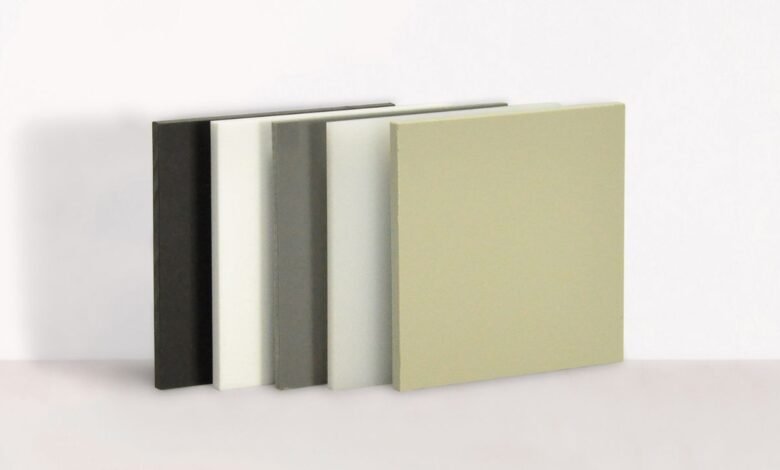
Polypropylene Copolymer, often shortened to PPC, is a robust thermoplastic known for its impressive impact resistance and flexibility. Unlike standard polypropylene, the copolymer variety is engineered to withstand lower temperatures without becoming brittle, making it an exceptionally reliable choice for demanding environments.
Whether you’re working on an industrial project or a bespoke retail display, understanding the unique properties of this material is the first step toward a successful build.
Because it’s lightweight but incredibly tough, this material has become a staple in modern manufacturing and construction. It resists chemical corrosion and moisture, ensuring that it remains functional even in harsh conditions. If you’re looking for a versatile solution that balances cost-effectiveness with high performance, explore the following common uses to see how this material might benefit your next project.
What Makes PPC Extruded Sheets Different?
The extrusion process ensures that the material has a consistent thickness and a smooth finish, which is vital for both aesthetic and structural applications. One of the main reasons professionals choose a PPC extruded sheet is its superior weldability and formability. It doesn’t crack easily under stress, which allows for the creation of complex shapes and long-lasting structures.
In the UK, where weather conditions and industrial standards vary significantly, having a material that performs consistently is a major advantage. It’s also often selected for its “living hinge” property, meaning it can be folded repeatedly without breaking. This makes it ideal for containers, folders, and various types of protective packaging.
Industrial and Engineering Uses
In heavy-duty environments, the durability of your materials is paramount. PPC is frequently used to create chemical tanks, liners, and ducting systems. Its resistance to acids and alkalis means it won’t degrade when exposed to harsh substances, providing a safe and reliable housing for industrial processes.
Beyond chemical storage, engineers often use this sheet for protective wall cladding in factories. Because it’s easy to clean and maintain, it helps businesses adhere to strict hygiene and safety standards without requiring constant replacements or expensive repairs.
Construction and Signage
The construction industry relies heavily on this material for temporary flooring and site protection. You’ll also find it used in:
- Wall cladding: Especially in areas requiring moisture resistance.
- Moisture barriers: Preventing damp in specific building structures.
- Signage: Creating durable outdoor displays that won’t fade or warp.
- Templates: Providing a sturdy base for masonry or carpentry layouts.
Retail and Commercial Displays
Retailers often require materials that look professional but can handle the wear and tear of a busy shop floor. PPC sheets are frequently fabricated into point-of-sale displays, shelving units, and promotional stands. They’re easy to cut to size and can be manufactured in various colours to match a brand’s identity.
Since the material is lightweight, it’s easy to transport and install, which reduces labour costs for shopfitters. It provides a clean, modern aesthetic that works well in showrooms and galleries, proving that industrial-grade plastics can also be visually appealing.
Final Considerations
The applications for PPC extruded sheet materials are incredibly broad, ranging from high-stakes chemical engineering to simple household DIY. Its unique blend of strength, flexibility, and chemical resistance ensures it remains a top choice for professionals across the UK.
When you’re planning your next build, choosing the right grade of plastic is essential for a long-lasting result. By opting for a high-quality copolymer, you’re investing in a material that won’t let you down, regardless of the complexity of the task at hand.