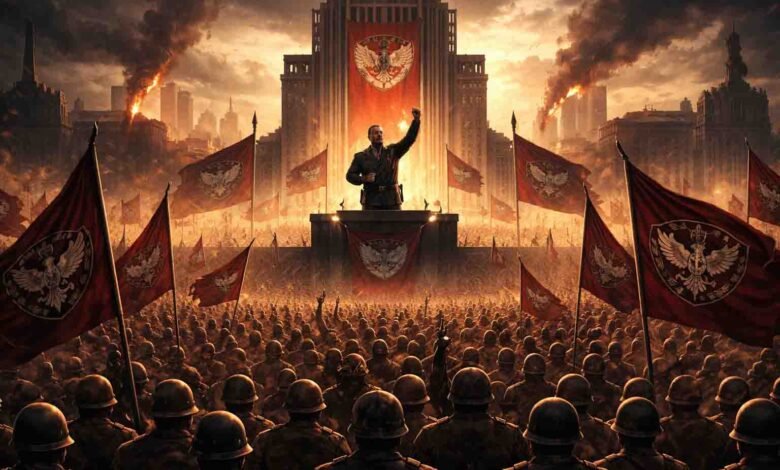
Fascisterne is a word that may sound strong or even scary, but it is important to understand it. This word speaks about a way of thinking and ruling that changed the world in many big ways. When we look at the past, we can see how this ideology shaped countries, leaders, and daily life for millions of people.
In today’s world, many people still talk about Fascisterne because some ideas from the past still appear in new forms. So, learning about Fascisterne helps us understand why some groups act the way they do and why some leaders use certain words or promises. It helps us stay aware, calm, and informed.
In this article, we will explore what Fascisterne means, how it started, what ideas it followed, who supported it, and how it grew.
What Is Fascisterne?
Fascisterne is a Danish word that simply means “the fascists.” It points to people who followed or supported a strict way of ruling called fascism. In fascism, one strong leader controls almost everything, and people lose many of their freedoms. This control was seen as a way to make the country strong, but it caused great harm.
Fascisterne groups believed that the nation must come before everything else, including personal rights. They wanted everyone to think the same way and obey the government. This made life very controlled and very limited for many people. The leaders used power, fear, and rules to stay in control.
When we talk about Fascisterne today, we are not only talking about old times. We are also talking about ideas that sometimes appear again in modern politics. That is why learning about Fascisterne is still important.
Features of Fascisterne
1. Extreme Nationalism
Fascisterne showed strong love for their nation, but in a very extreme way. They believed their country was better than all others. They also believed that only certain people truly “belonged” to the nation, and this created anger and hate toward outsiders.
This extreme nationalism pushed people to follow the leader without asking questions. Many people felt strong pride, but this pride was often used to control them. It became easy for leaders to say, “Follow me because I protect the nation.”
Because of this, groups who looked different, believed different things, or came from other places were treated badly. This was one of the most harmful parts of Fascisterne.
2. Authoritarian Leadership
Fascisterne believed one strong leader should make all decisions. This leader was seen as the “savior” who could fix all problems. People were told not to question him and to trust him always.
This kind of leadership removed freedom of speech, freedom to vote, and freedom to think differently. People who disagreed faced trouble, fear, or punishment. The voice of one man became more important than the voice of the entire nation.
Because of this, the government became very powerful and very strict. This made it hard for normal people to live freely or share their ideas safely.
3. Militarism and Violence
Fascisterne groups believed that a strong country must have a strong army. They believed that fighting showed power and bravery. Because of this, violence became a normal tool for them.
They used soldiers and special groups to scare or silence people who disagreed. Many citizens lived in fear because the government used force to keep control. Simple problems were not solved with talk but with threats or violence.
This belief in strength and war led to many harmful actions in Europe, especially during World War II. It caused great pain for millions of people.
How Fascisterne Started
Fascisterne began after World War I. Many countries were tired, broke, and scared. People had no jobs, no food, and no hope. When life feels broken, people often look for someone who seems strong and confident. Fascisterne leaders used this moment to rise.
In Italy, Benito Mussolini said he could fix the country fast. He promised order, pride, and power. People who felt lost began to follow him. Germany had the same situation, and Adolf Hitler used the anger and fear of the people to push his own ideas.
These leaders said simple things like “I will fix everything” or “I will protect you,” and people wanted to believe them. This is how Fascisterne started growing in Europe.
The Big Ideas Behind Fascisterne
Fascisterne ideas were built on a few simple but very strong beliefs. First, they believed the nation was everything. People were told that they must follow the leader and ignore personal needs. This made life strict and controlled.
Second, they believed that only certain groups deserved rights or respect. This led to racism, discrimination, and violence against minorities. Many families suffered because they did not fit the “perfect” image the leaders wanted.
Third, Fascisterne believed that force and control were the best ways to keep order. They pushed away democracy, free speech, and open discussion. Everything had to follow one plan and one voice— the voice of the leader.
Why People Supported Fascisterne
People supported Fascisterne because they were scared. They were tired of war, hunger, and unemployment. When life feels heavy, simple promises sound very comforting. Fascisterne leaders used this fear to gain support.
They also used strong speeches, big parades, and emotional messages to make people feel proud again. Many people felt that the leaders understood them and would protect them. This emotional connection made people trust Fascisterne more easily.
Some people also feared communism at the time, and Fascisterne leaders promised to stop it. So, many citizens supported them not because they liked the ideology, but because they feared something else even more.
Important Leaders Who Spread Fascisterne
The first well-known leader of Fascisterne was Benito Mussolini in Italy. He created the image of a tough and fearless leader. Many people followed him because they believed he could save the country.
Adolf Hitler in Germany took these ideas and made them even more extreme. His version of Fascisterne added racism and hate in very dangerous ways. His rule led to terrible crimes, including the Holocaust, which caused the death of millions of innocent people.
Giovanni Gentile, a philosopher, supported these ideas by saying that the state was more important than individuals. His words gave the ideology a “smart” look, which helped the leaders gain even more support.
How Fascisterne Took Power
Fascisterne leaders used propaganda to spread their message. They controlled newspapers, radio, and speeches so that only their voice could be heard. When people hear one message again and again, they start believing it.
They also removed political opponents. Anyone who spoke against them was punished, scared, or even taken away. This kept people silent and afraid. It became impossible to disagree safely.
To stay in control, they used armies and secret police. These groups walked the streets, watched people, and used fear to protect the leaders. Over time, Fascisterne completely took over the government.
Daily Life Under Fascisterne
Daily life under Fascisterne was very controlled. People could not speak freely or share opinions openly. They had to follow strict rules and show loyalty to the leader at all times. Even simple conversations were risky because someone might report them.
Schools taught children to love the leader and hate outsiders. Kids grew up learning that the leader was perfect and must always be obeyed. Books, movies, and newspapers were all changed to support Fascisterne ideas.
Family life also changed. The government wanted families to raise children who followed the ideology. Everyone was expected to serve the nation first, even before their personal dreams or happiness.
The Role of Nationalism and Racism
Nationalism played a big role in Fascisterne. Leaders used strong messages about pride and unity to make people feel special, but in a very extreme way. They said the nation must stay “pure,” and this idea pushed people to fear or dislike anyone who seemed different. This made society hard and unfriendly for many groups.
Racism became a normal tool for Fascisterne leaders. They claimed that some races were better than others. This false idea led to harmful actions against many innocent people. Whole groups were blamed for problems they did not cause. This created deep pain and unfair treatment.
Because of these beliefs, life became unsafe for minorities. People were judged by things they could not change, like their background or culture. This part of Fascisterne caused great suffering, and it is one of the main reasons why the ideology is remembered as dangerous and cruel.
How Fascisterne Changed Europe
Fascisterne changed Europe in very big ways. Countries became strict and closed, and people lost many rights. Fear, control, and violence became part of daily life. This heavy change also made many nations weak and divided.
The spread of Fascisterne ideas helped start World War II. Leaders wanted more power and more land, so they invaded other countries. These actions caused huge destruction. Families were separated, cities were ruined, and millions of people lost their lives.
Even after the war ended, the effects stayed for many years. Europe had to rebuild homes, roads, and trust. People learned how dangerous an idea can be when it takes over a whole nation. The world promised to never let something like Fascisterne rise again.
The Fall of Fascisterne
The fall of Fascisterne began when these strict leaders started losing battles in World War II. Their plans failed, their armies became weak, and people saw the truth of their actions. Countries began fighting back, and slowly the leaders lost their power.
Germany and Italy both faced major defeats. Adolf Hitler and Benito Mussolini lost control, and their governments collapsed. Many people celebrated because the fear that ruled their lives finally ended. Nations could start healing and building new systems.
After the fall, there were trials for leaders who caused harm. The world created strong rules to protect human rights. These steps were taken to make sure Fascisterne ideas would not grow again and hurt new generations.
Modern Signs of Fascisterne Today
Even though Fascisterne fell many years ago, some of its ideas still appear today. In some places, groups repeat the same messages about fear, hate, or extreme nationalism. They try to divide people by saying “we are better than them.”
The internet makes it easier for these ideas to spread. Some people share false stories, angry messages, or hate speech online. These posts can reach millions of people very fast. This can create confusion and increase fear in society.
It is important to watch for these signs. When groups attack minorities, weaken democracy, or try to silence others, we must understand the risk. These are the same patterns that helped Fascisterne grow in the past.
What We Can Learn From Fascisterne
Fascisterne teaches us many lessons. One big lesson is the need for freedom and fair rules. When only one leader has all the power, people lose their voice, and society becomes unsafe. We must protect our rights and speak up for others.
Another lesson is that hate grows fast when people feel scared. We must be careful during hard times. It is easy for harmful ideas to seem simple or helpful, but they often lead to pain and loss. Learning about history helps us avoid these mistakes.
The best way to stop harmful ideologies is through kindness, education, and awareness. When we understand how Fascisterne worked, we can see warning signs early and work together to keep our world safe, fair, and open for everyone.
Benefits of Fascisterne
1. Promise of Order and Stability
Many people believed Fascisterne would bring order during a time of chaos. Life after World War I was confusing, and people felt lost. A strong leader who promised control and simple solutions looked very appealing. This made many citizens trust the movement.
The idea of strict rules made some people feel safe. They believed that if everyone followed one plan, the country would become strong again. Even though this control took away many freedoms, it was seen, at the time, as a positive step by those who were afraid.
This “order” feeling was one reason Fascisterne grew so fast. People chose safety over freedom, not knowing how much harm would come later.
2. National Pride and Unity
Some people liked the feeling of national pride that Fascisterne created. They felt the country was becoming strong again. After years of struggle, this pride gave people hope. They believed their nation was rising again.
This unity brought people together, but only those who fit the “ideal group.” Others were pushed aside. Still, for those inside the group, the feeling of belonging was strong. This helped leaders gain more support.
This idea of unity made people forget their personal worries for a while. They felt part of something big, and this emotional pull made Fascisterne feel powerful.
3. Fast Decisions by the Government
Fascisterne leaders made quick decisions. They did not wait for long meetings or debates. Some people believed this fast action could fix problems quickly. It looked strong and confident.
During crises, fast decisions can look appealing. People liked the idea that leaders were not wasting time. They believed speed meant progress. This made the government seem effective.
But while this looked helpful at first, it took away many rights. Quick decisions without checks also led to many harmful actions. Still, people at that time saw speed as a positive sign.
4. Economic Projects and Jobs
Fascisterne governments started many public projects. They built roads, factories, and military centers. These activities created jobs for many people who had none. At first, this felt very helpful.
People believed the economy was becoming stronger. Money started moving again, and families felt a little safer. This made citizens think the ideology was working.
But most projects were created to support war or control. While jobs seemed helpful, the long-term results were harmful. Still, in the moment, these actions helped Fascisterne gain support.
Final Thoughts
Fascisterne is an important part of history because it shows how fast fear and strong leaders can change a country. When people feel scared, they sometimes choose simple answers. These answers may look helpful, but they can take away freedom and create harm.
By learning about Fascisterne, we understand how dangerous ideas can grow, and how important it is to protect kindness, rights, and democracy. These lessons help us stay alert in today’s world, where similar patterns can appear in new ways.
When we remember the past, we protect the future. Understanding Fascisterne helps us create a world where people feel safe, free, and respected — without fear or division.
FAQs
What is the main idea behind Fascisterne?
The main idea is that one strong leader should control everything. Personal freedom does not matter as much as the power of the nation and the leader.
Why did people follow Fascisterne?
Many people were scared after World War I. They wanted fast solutions to their problems. Fascisterne leaders promised jobs, order, and national pride, so people believed them.
How did Fascisterne leaders gain power?
They used strong speeches, fear, propaganda, and promises. They also removed opponents, controlled the media, and used violence to stay in control.
What was daily life like under Fascisterne?
Life was very controlled. People had little freedom. They could not speak freely or disagree with leaders. Schools, newspapers, and culture were all shaped by fascist ideas.
Did Fascisterne support racism?
Yes. Fascisterne used racism to divide people. They believed some groups were “better” than others, and they treated minorities unfairly or violently.
People Also Read:
Valplekar: The Surprising Concept That Blends Play, Culture, and Creativity
The Power of Cartetach: How One Digital Idea Can Shape the Future
Discover LeoMorg: The New Idea Changing Tech and Creativity Today