
Roman Walker Zelman is a name many people hear, but not many people know well. He is the only son of actress Debra Messing, and he has slowly become someone people feel curious about. Even with famous parents, he lives a calm and simple life.
In this article, we will take a friendly and easy look at who Roman Walker Zelman really is. We will explore his early life, his family, his school years, and the things that make him special in 2026. So let’s get started.
Who Is Roman Walker Zelman
Roman Walker Zelman was born on April 7, 2004, in New York City. He grew up during a time when his mother was already a well-known actress. Still, his parents tried very hard to give him a quiet and peaceful childhood. They did not push him into the spotlight.
Even today, Roman Walker Zelman likes to stay private. He does not use public social media and rarely appears at big events. Many people find this interesting because he comes from a family that works in Hollywood. But Roman prefers a simple life, and that is what makes him stand out.
He is known for being polite, kind, and thoughtful. People who meet him say he is calm and friendly. His quiet nature makes him very different from what many expect from a celebrity child.
Roman Walker Zelman’s Early Life
Roman Walker Zelman grew up in a warm and loving home. His parents made sure he had a childhood full of comfort, learning, and safe moments. They wanted him to enjoy normal days, just like any other child, even though their work was very public.
Debra Messing often shared sweet photos of Roman when he was little. These photos showed him crawling on the floor, laughing, or playing. They were simple family moments that showed how much love surrounded him as he grew up.
His early life was shaped by strong values. He was taught to be kind, respectful, and humble. These lessons helped him become the grounded and thoughtful young man he is today.
Meet Roman’s Family
Roman Walker Zelman comes from a creative family. His mom, Debra Messing, is an award-winning actress loved for her roles in TV and movies. His dad, Daniel Zelman, is a talented writer, actor, and producer.
His parents met while studying at New York University. They later got married in 2000 and welcomed Roman four years later. Even with busy careers, they always made time to support their son and give him a strong foundation.
Growing up with parents from the entertainment world could be overwhelming, but they kept things balanced. They wanted Roman to feel safe, normal, and free from pressure, and that helped him enjoy a very steady childhood.
Roman Walker Zelman’s Parents’ Separation
Roman’s parents separated in 2011, but they stayed very kind and respectful toward each other. Their divorce became official in 2016, yet they continued to work together as a strong parenting team. This helped Roman feel secure and supported through every stage of life.
They planned things together, attended his important school moments, and made sure one parent was always present for him. This teamwork made his home life calm and stable, even after the separation.
Because of this healthy co-parenting, Roman Walker Zelman grew up with love from both sides. He always knew he could count on his mom and dad, no matter what changes happened in their lives.
Roman Walker Zelman’s Education
Roman Walker Zelman studied at The Packer Collegiate Institute, a well-known private school in Brooklyn. The school focuses on creativity, strong academics, and personal growth. Roman enjoyed his time there and became involved in different school activities.
In June 2022, Roman graduated from high school, and it was a huge emotional day for his mom. She shared photos of him proudly wearing his graduation gown. Her happy tears showed how much this moment meant to her.
Roman’s dad was also present, standing beside them with a big smile. Their support showed how much they value Roman’s growth. Soon after graduation, Roman also went to his school prom, marking another big step in his life.
Roman’s Love for Comedy
When Roman Walker Zelman was just 13 years old, he joined a stand-up comedy class. For a young teen, this was a brave and exciting step. He had to write his own jokes and then perform a full six-minute comedy set on stage at a real comedy club.
This experience showed that Roman is creative and confident. Comedy is not easy, but he took the challenge and enjoyed it. His mom proudly shared this story, and many people were surprised by his talent at such a young age.
Even now, people wonder if Roman might choose a creative path in the future. He has the personality for it — funny, calm, and thoughtful. But he has not made any public decisions yet, and he is taking his time to find his own way.
Roman Walker Zelman’s Sports and Hobbies
Roman Walker Zelman enjoyed playing flag football and hockey as a child. These sports helped him stay active and learn teamwork. He loved trying new things and staying involved in fun activities.
Aside from sports, he enjoys traveling and exploring new places. These hobbies make him curious about the world and open to new experiences. He learns a lot during these trips, not just about places but also about people.
His calm and gentle personality makes every hobby feel enjoyable and relaxed. Roman likes simple joys in life, and this helps him stay grounded and focused on what truly matters.
Roman’s Sweet Bond With His Mother
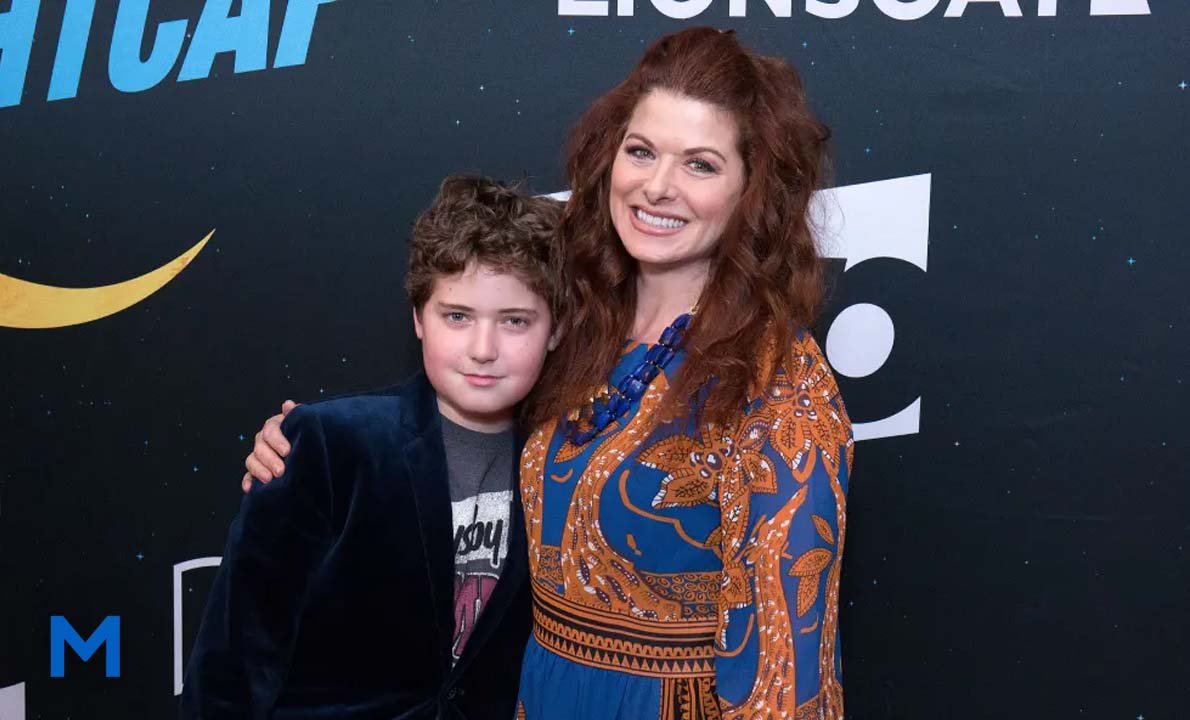
Roman shares a deep and loving bond with his mother, Debra Messing. She often says that becoming a mom changed her life in the best way. On his birthdays, she posts sweet messages and childhood photos that show how much she loves him.
One message she wrote for his 18th birthday touched many hearts. She said that watching him grow has been “the privilege of her life.” These words show how special Roman is to her.
They spend a lot of time together, talking, laughing, and enjoying simple moments. Their bond is filled with warmth, respect, and joy, and it continues to grow even as Roman becomes an adult.
Roman’s Rare Public Moments
Roman Walker Zelman does not appear at many public events, but the few times he does, people notice his calm and kind presence. He joined his mom at her Hollywood Walk of Fame ceremony in 2017. He sat beside her star and leaned on her lap, showing their sweet bond in a simple and natural way.
He also walked the red carpet with her at the Angel Awards in 2018. Roman looked relaxed, friendly, and respectful. He did not try to take attention. Instead, he stood quietly beside his mom. These small moments show that he supports her, but still prefers a quiet life away from the spotlight.
Sometimes, Roman attends movie premieres or sports games with Debra Messing. These events are fun for them, but he always stays calm and private. Even when cameras are around, he does not act like a celebrity. He simply enjoys the moment and then returns to his peaceful life.
Roman Walker Zelman’s Private Life
Even though many people know his parents, Roman Walker Zelman chooses a very private path. He does not use public social media, and he does not share details about his life. This choice helps him stay relaxed and focused on school and family.
He likes quiet days and simple routines. Instead of chasing fame, he spends his time learning, exploring new ideas, and enjoying normal student life. Many fans respect him for this because staying private in a world full of noise takes strength and calm thinking.
His private nature also comes from how he was raised. His parents always protected his space and allowed him to grow at his own pace. Today, he continues those habits by keeping his world small, peaceful, and filled with people he trusts.
What Roman Is Doing in 2026
As of 2026, Roman Walker Zelman is likely still in college, learning, growing, and discovering his interests. He enjoys simple days filled with classes, reading, and time with close friends. He does not rush into the spotlight or big decisions.
He is building his future step by step. Maybe he is working on creative projects. Maybe he is studying something new and exciting. We do not know yet, and Roman seems comfortable with that. He prefers to move at his own pace and enjoy the journey.
His quiet life shows that success does not always need noise. Sometimes, the strongest people are the calmest ones. Roman’s story reminds us that it is okay to grow slowly and choose peace over pressure.
Final Thoughts
Roman Walker Zelman may be the son of two famous parents, but he is building his own life with care and calm. He is kind, thoughtful, and private. He enjoys sports, comedy, travel, and simple time with family. These things shape him more than fame ever could.
His journey is sweet and inspiring. He shows that you can come from a famous world and still choose a quiet path. He teaches us that a peaceful, steady life can be a beautiful life. And as he continues to grow, many people are quietly cheering for him.
The story of Roman Walker Zelman is still unfolding, and his future is wide open. Wherever he goes next, he carries strong values, warm memories, and the love of two parents who are incredibly proud of him.
(FAQs)
How old is Roman Walker Zelman?
Roman Walker Zelman was born on April 7, 2004. He is 22 years old in 2026.
What is Roman Walker Zelman’s net worth?
Roman does not have a public net worth. He is still studying and has not started a public career. Any money people talk about online is usually linked to his parents, not to him.
Is Roman Walker Zelman active on social media?
No. Roman does not use public social media. He likes to keep his life private, so he stays away from public accounts.
Who are Roman Walker Zelman’s parents?
His mother is actress Debra Messing, and his father is actor and writer Daniel Zelman. Both parents work in the entertainment world.
Are Roman Walker Zelman’s parents still married?
No. His parents separated in 2011 and divorced in 2016. They stayed friendly and continued to co-parent him with love and respect.
People Also Read:
Kori Madison Federline: What to Know About Kevin Federline and Shar Jackson’s Daughter
The Untold Story of Juanita Katt: Daughter of Barbara Hale and Bill Williams
Who Is Casey Beane? All About Billy Beane’s Real-Life Daughter