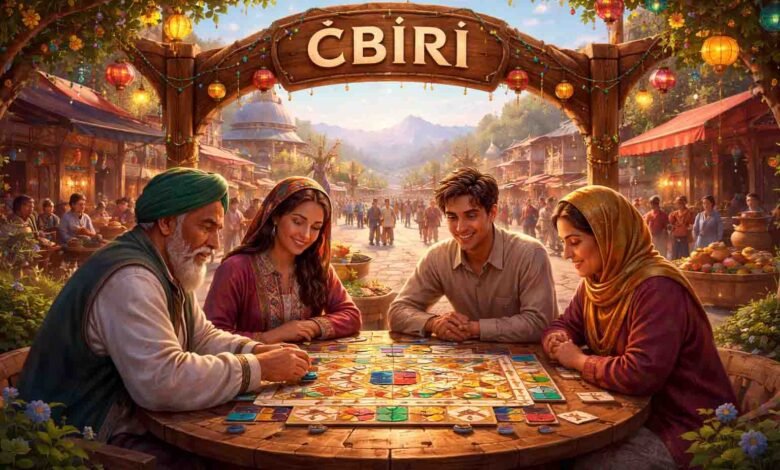
Çbiri is a small word with a big world inside it. In 2026, more and more people are hearing this name online, in games, and in talks about culture and personal growth. But many still ask, “What is Çbiri, really?”
You can think of Çbiri as three things at the same time. It is a smart board game. It is also a deep cultural idea. And for some people, Çbiri is a quiet life guide that shapes how they think, feel, and connect with others every day.
In this article, we will walk through Çbiri step by step. We will look at its meaning, its history, its roots in old cultures, and how it works as a game.
By the end, you will see that Çbiri is not just one fixed thing. It is a flexible concept that you can meet in many forms. You might meet it at a game table, in a family story, at a festival, or in your own thoughts and choices.
What Is Çbiri?
Çbiri is a word that can carry many layers at once. On the surface, people often know Çbiri as a modern strategy board game that uses a board, tokens, cards, and markers. It is fun, smart, and easy to learn for new players.
But Çbiri is also more than a game. In many stories and writings, Çbiri is used as a symbol for balance, smart thinking, and personal identity. It can stand for “the one who thinks ahead,” or “the one who lives with meaning and care.”
For some people, Çbiri is a living part of their culture. It shows up in family gatherings, talks about values, and small daily acts of kindness and respect. In this way, Çbiri becomes a bridge between old ways and modern life.
So, when we say “Çbiri,” we are really talking about three things at once. We are talking about a strategy game, a cultural idea, and a personal path. This mix is what makes Çbiri so rich and so interesting to explore.
Features of Çbiri
1. Simple Rules, Easy Start
One big feature of Çbiri is its simple rules. You only choose one action on your turn: move a token, draw a card, or use a marker. This makes Çbiri very easy for new players to learn, even if they do not play many board games.
2. Deep Strategy Underneath
Even with simple rules, Çbiri has a deep strategy layer. Every move affects the board, the cards, and the other players. You must think ahead, read the table, and time your actions well. This makes Çbiri rewarding for people who enjoy smart planning.
3. Mix of Logic and Surprise
Çbiri does not rely only on fixed moves. The cards add surprise and change. Some cards give extra turns, change small rules, or block others. This mix of logic and surprise keeps Çbiri fresh and fun, because no two games feel exactly the same.
4. Strong Cultural and Story Link
Another key feature of Çbiri is its cultural side. It is tied to stories, traditions, and shared values. In some places, Çbiri is linked to unity, hospitality, or respect for ancestors. This gives Çbiri a rich meaning beyond the board and pieces.
5. Builds Mind and Character
Çbiri trains both thinking and character. In the game, you learn focus, patience, and calm reactions to sudden change. As a life idea, Çbiri encourages self-discovery, honest choices, and inner balance. This makes Çbiri useful for mental and emotional growth.
6. Great for Family and Community
Çbiri is designed for people to enjoy together. Families can play it at home. Friends can bring it to game nights. Communities can use it in events and cultural days. This social feature of Çbiri helps people talk, laugh, and feel closer to each other.
7. Flexible Meaning for Each Person
Çbiri is not a rigid concept. One person may see Çbiri mainly as a game. Another may feel it as a cultural symbol. Someone else may use Çbiri as a quiet life guide. This flexible feature lets each person build their own relationship with Çbiri.
8. Works in Both Physical and Digital Worlds
Çbiri also fits well in today’s world. You can play the physical board game at a table. You can also find Çbiri-inspired apps and online versions. People share Çbiri content on social media. This makes Çbiri easy to access, learn, and share globally.
History and Roots of Çbiri
The history of Çbiri reaches back many years, even if not every detail is written in books. Many stories link Çbiri to old nomadic tribes in Central Asia, who moved from place to place and carried their ideas and customs with them.
For these early groups, something like Çbiri was not just a pastime. It was part of who they were. It helped teach lessons about planning, patience, and the way people should live together. In this sense, Çbiri was woven into their identity.
Over time, societies changed. People settled in towns and cities. Borders shifted. But the spirit behind Çbiri stayed alive. It blended with local customs, new beliefs, and different lifestyles. It adapted, yet kept its core idea of thoughtful action and shared life.
In a way, Çbiri sits in the same family as old strategy games like chess, Go, and mancala. All of these games help train the mind and reflect deeper ideas about life, power, and balance. Çbiri continues this old tradition in a fresh, modern form.
The Word “Çbiri” and What It Stands For
The word “Çbiri” looks special from the very first letter. The letter “ç” is used in languages like Turkish and Albanian, and it gives the word a soft, sharp sound. This small detail already hints at links to certain regions and cultures.
In Turkish, the word “biri” can mean “someone” or “one.” When people see “Çbiri,” they sometimes read it as “the special one” or “a person who stands apart.” This is not an official rule, but it is a simple and helpful way to feel the word.
Over time, people started using Çbiri in many modern spaces. You can see it in art, branding, digital projects, and creative communities. The word is short, clean, and unique, which makes it perfect for logos, game titles, and online names.
Because of this, Çbiri now stands for more than one thing. It can stand for uniqueness, smart thinking, and balance. It can stand for a person who is quiet but strong, or a group that is creative and close. The word becomes a symbol people can grow into.
Çbiri and Culture
Çbiri is strongly linked to culture, not just to rules on a board. In some stories, Çbiri appears in family gatherings where elders tell old tales, and children listen and learn. The name can show up in songs, simple rituals, or shared jokes that only the group fully understands.
In Central Asian settings, Çbiri is often tied to unity and group spirit. People come together to share food, stories, and time, and Çbiri sits there as a quiet sign of “we belong together.” It is less about one person and more about the whole circle.
In some Middle Eastern places, ideas like Çbiri connect to hospitality. When guests arrive, they are welcomed warmly, served food and drink, and treated with honor. Here, Çbiri can stand for generosity, open doors, and a full table where everyone has a place.
In certain African traditions, Çbiri-like ideas appear in events that mark big life moments, like births, weddings, or times to honor ancestors. People dance, sing, and share stories of those who came before. The spirit of Çbiri helps link the living with their roots.
What all these cultures share is simple. Çbiri is used to bring people closer, to keep memories alive, and to pass values from one generation to the next. It turns culture from something distant into something people can touch, feel, and live every day.
Çbiri and the Mind
Çbiri is also deeply connected to the mind. When we look at the Çbiri board game, we see this very clearly. You must think before you move. You choose to move a token, draw a card, or use a marker. Each choice has a cost and a gain.
This kind of play trains the brain in a gentle way. You learn to look a few steps ahead. You learn to watch other players instead of staring only at your own pieces. You learn that a fast move is not always a smart move. This is the “mind” side of Çbiri.
But the mind work of Çbiri does not stop at the table. Many people use Çbiri as a picture for their inner life. It reminds them to be true to themselves, to ask, “What do I really want?” and, “Is this choice good for my future self?”
Through Çbiri, some people learn to trust their own inner voice. They stop living only to fit in or to please others. They learn to listen to their quiet feelings and thoughts before they act. This simple shift can feel small, but it changes many parts of life.
Çbiri and Community
One of the strongest sides of Çbiri is its power to connect people. Whether it appears as a game or as a cultural idea, Çbiri works best when people come together around it. It is rarely a lonely concept. It lives in shared moments.
Imagine a group of friends playing the Çbiri game at a table. They laugh, think, compete, and talk. In that small space, they forget their phones for a while. They watch each other’s faces. This is Çbiri building community in a simple, real way.
Now imagine a family gathering where an elder tells a story that includes Çbiri as a theme or symbol. Children ask questions. Adults nod in silence. In that story, Çbiri becomes a tool to teach respect, courage, and kindness. The whole group grows closer.
In wider communities, Çbiri can be part of festivals or cultural days. People wear bright clothes, share food, play games, and perform dances. The word Çbiri might be on banners, posters, or songs. It acts as a flag for shared identity and pride.
The Çbiri Game
The Çbiri board game is often the first way new people meet this concept. At first glance, it seems simple and clean. There is a board with zones or paths, tokens for each player, a deck of cards, and small markers to track points or special actions.
The basic rules are easy to learn. On your turn, you can do one thing: move a token, draw a card, or spend a marker to trigger a special effect. You cannot do all three. This makes every choice feel important, even when the board still looks quiet.
Cards in Çbiri add surprise and fun. Some cards give extra moves. Some change the way a rule works for a short time. Some help you block another player who is about to win. Because of these cards, no two games of Çbiri feel exactly the same.
The game usually works well with two to four players, but house rules can allow more. A normal game lasts around thirty to sixty minutes, which is perfect for a calm evening or a short break. It is long enough to feel deep, but not so long that people get tired.
On the surface, the Çbiri game is just play. But inside the play, you learn real skills. You learn to plan, to wait, to read others, and to stay calm when a card changes everything. This is how the game side of Çbiri quietly trains both mind and heart.
Personal Journey With Çbiri
For many people, Çbiri starts at home. It may be a word they hear from grandparents, or a game they see on a small table during family visits. At first, they only notice the fun. Later, they feel the deeper meaning inside it.
As they grow older, Çbiri turns into more than a game or a story. It becomes part of how they see life. They remember family moments, shared meals, and late-night talks. Çbiri then feels like a quiet thread that links past and present together.
Some people meet Çbiri outside their home for the first time. Maybe at a community event, a cultural festival, or an online group. They find others who know this concept too. This shared bond makes them feel seen, safe, and understood.
In time, Çbiri can shape beliefs and values. A person may start asking, “What kind of life do I want?” and “How do I treat others with care?” Çbiri becomes a soft guide, helping them make choices with more heart and more thought.
How to Add Çbiri to Your Own Life
You do not need to be born into a special group to add Çbiri to your life. You can start in small, simple ways. Begin by asking what parts of Çbiri speak to you most: the game, the culture, or the inner journey.
If you like games, try the Çbiri board game first. Learn the easy rules. Play with friends or family. Notice how each move asks you to think ahead, but also to relax and enjoy the moment. This is Çbiri in action at the table.
If you enjoy ideas and reflection, use Çbiri as a daily reminder. Ask yourself once a day, “What is my smart move today?” or “What action keeps balance in my life?” These tiny checks help you live with more care and less rush.
You can also bring Çbiri into your community. Plan a game night, a small gathering, or even an online meet-up around the theme of Çbiri. Invite people to share stories, talk about values, or simply play and laugh together. Connection is the core.
A very simple tool is journaling. Take a notebook and write one short note each day: “Where did I see Çbiri today?” It might be in a kind act, a wise choice, or a calm pause. Over time, you will see your own pattern of growth.
Real Facts About Çbiri
Because Çbiri is rich and flexible, people sometimes get confused about what it really is. One common myth is that Çbiri is only a strict spiritual path with heavy rules. This idea scares some people away before they even explore it.
In truth, Çbiri can be very light and open. For some, it is just a clever game they play on weekends. For others, it is a cultural tradition or a personal guide. There is no single “correct” way to walk with Çbiri.
Another myth says Çbiri belongs to only one culture, region, or group. But stories of Çbiri-like ideas appear across different lands, from Central Asia to the Middle East and parts of Africa. Its themes of unity, wisdom, and balance are universal.
Some people worry that if they embrace Çbiri, they must give up their current faith or beliefs. This is not true. Many people simply add Çbiri to their life as a new lens, not as a replacement. It can support, not erase, what they already hold dear.
There is also a reverse myth: that Çbiri is “just a game” and nothing more. While it can be just a game for some, it clearly carries more for others. Its story, symbols, and habits can open doors to deeper thought and connection.
Benefits of Çbiri
1. Mental
Çbiri is very kind to the mind. When you play the Çbiri game, you learn to plan, observe, and think before you move. You weigh options, watch how others act, and adjust your choices. This builds clear, flexible thinking over time.
Even outside the game, using Çbiri as a life idea can improve mental focus. It reminds you to slow down, look at the bigger picture, and choose with care. This can help you make better decisions at work, at home, and in personal goals.
2. Emotional
Çbiri also supports your inner feelings. In the game, not every move goes your way. Sometimes a card changes the whole board. You learn to handle surprise, loss, and delay without giving up. This builds patience and emotional strength.
In daily life, Çbiri can teach you to accept that progress is not always straight or fast. Some days are hard, some steps are small. When you see life like a long Çbiri match, you become kinder to yourself and calmer during change.
3. Social
Çbiri naturally brings people together. The game invites friends, family, and even strangers to sit at one table. They talk, joke, think, and learn from each other. These simple moments of shared play can deepen trust and friendship.
As a cultural idea, Çbiri helps build respect between generations. Elders share stories. Young people ask questions. Everyone learns that they are part of a larger story. This shared feeling can make families and communities feel stronger and more united.
4. Cultural
Çbiri helps keep culture alive in a soft but steady way. It shows up in songs, festivals, meals, and small rituals. These things might seem simple, but together they protect language, memory, and identity from fading away.
For people who moved far from their homeland, Çbiri can feel like a gentle link back. A familiar story, dish, or game can bring comfort. It reminds them they have roots, even while they live and grow in new places.
5. Educational
Teachers and parents can use Çbiri in learning spaces. The game can help kids and adults practice math-like thinking, turn-taking, and fair play. It also teaches how to read others kindly and how to handle wins and losses with grace.
As a larger idea, Çbiri can support lessons about culture, history, and empathy. Students can explore where it comes from, how different groups use it, and what it says about human life. This builds both knowledge and respect.
6. Personal Growth
Many people find that Çbiri gently pushes them toward self-discovery. It asks them to be honest, to see what truly matters, and to act in line with their values. Over time, this can lead to a more real and grounded life.
Çbiri also encourages gratitude and reflection. By noticing small, wise choices, quiet wins, and moments of connection, you start to feel richer inside. You see that growth is not just big goals, but also tiny, steady steps each day.
Çbiri in the Modern World and Online Spaces
In 2026, Çbiri is not stuck in the past. It lives strongly in the modern world. You can find the Çbiri board game in shops and online stores. You can also see digital versions on phones, tablets, and computers.
On social media, people share their Çbiri stories and tips. Some post videos teaching the rules. Others share cultural clips from festivals or family events. Hashtags about Çbiri connect people from many countries who might never meet in person.
Artists and designers also play with the word Çbiri. They use it in logos, fashion items, posters, and digital art. The clean, unique name makes it perfect for modern brands that still want a hint of depth and tradition.
Global interest has both bright and dark sides. On the bright side, more people learn about Çbiri, respect its roots, and share ideas. On the dark side, there is a risk of shallow use, where people copy the name but ignore its meaning.
Because of this, many communities try to guide how Çbiri is shared. They tell its story, explain its values, and invite respectful use. In this way, they hope Çbiri can grow and change with the world, without losing its heart.
Final Thoughts
Çbiri is a small word with many doors inside it. It is a smart game, a cultural symbol, and a gentle guide for the mind and heart. It connects old stories with new tools, and private reflection with shared community.
You do not have to use every side of Çbiri at once. You can start with the game, or with a story, or with one simple daily question. The important part is that you meet Çbiri in a way that feels real and kind to you.
As our world moves faster, Çbiri invites us to slow down just a little. To think before we act. To remember where we come from. To sit at the same table with others and share more than just a screen.
If you choose to explore Çbiri, see it as a long, friendly journey, not a test. Let it help you think, feel, and connect in deeper ways. Step by step, move by move, Çbiri can become a quiet, steady part of your life.
FAQs
Is Çbiri hard to learn?
No, Çbiri is easy to learn. The main rule is simple: on your turn you choose one action – move a token, draw a card, or use a marker. Most people understand how to play after one or two practice games.
How many people can play the Çbiri game?
The Çbiri game usually works best with 2 to 4 players. Some house rules allow more people, especially in family or group events. You can also play solo versions to practice strategy and try new ideas.
Is Çbiri only a game, or is it more than that?
Çbiri is more than a game for many people. The Çbiri concept is also linked to culture, stories, and values like unity, wisdom, and patience. Some people use Çbiri as a guide to think ahead and make thoughtful life choices.
Where did Çbiri come from?
The roots of Çbiri are often linked to old nomadic tribes in Central Asia and to long traditions of strategy and community life. Over time, the idea of Çbiri mixed with different cultures and grew into both a game and a wider concept.
Is Çbiri tied to one religion or one culture only?
No, Çbiri is not locked into one faith or one culture. While it has strong links to certain regions and traditions, its themes of connection, balance, and smart thinking can speak to people from many backgrounds around the world.
People Also Read:
Your Guide to Pantagonar: How It Helps Your Hair, Nails, and Daily Health
Meet Hormita: The Natural Blend That Helps You Feel Strong and Fresh