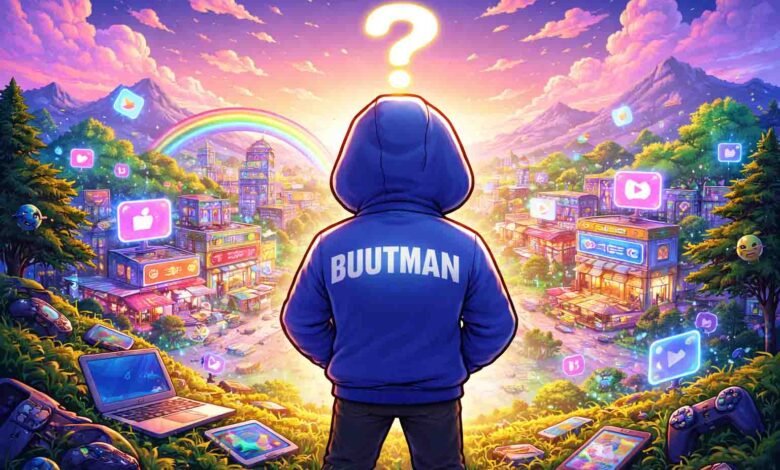
Have you ever seen a strange name online and wondered, “Wait… what is that?” That is how many people feel when they first see Buutman. The name looks simple, but it creates big curiosity. In 2026, Buutman is showing up across social media, memes, usernames, and art pages.
You might see Buutman in a funny meme. Or maybe in a gaming username. Some people even ask if Buutman is a real person. Others think it is a brand. The truth is not that simple. That is why so many people are searching for the meaning of Buutman right now.
In this article, we will clearly explain everything about Buutman. We will talk about where the word came from. We will explain how it became a digital persona. We will also explore why internet users love it so much. By the end, you will fully understand what Buutman really is.
What Is Buutman?
Buutman is not officially a real person. It is not a company. It is not a product. Instead, Buutman is something created by internet users. It is a digital persona. That means it is an identity that lives online and grows through people’s creativity.
The interesting thing about Buutman is that it does not have one fixed meaning. It changes depending on where you see it. In one place, Buutman might be a meme character. In another place, it might be a funny username. That flexibility is what makes Buutman special.
Because Buutman has no strict rules, people feel free to shape it. They can draw it, joke about it, or use it in gaming. There is no official design. There is no official story. The internet community slowly built Buutman together.
Where Did the Word Buutman Come From?
Many people believe Buutman is connected to the Dutch word “Buurman.” In Dutch, “Buurman” means “neighbor.” It is a normal word used in daily life. For example, someone in the Netherlands might say, “Mijn buurman is vriendelijk,” which means, “My neighbor is friendly.”
So how did Buurman become Buutman? The answer is simple. It may have started as a spelling change. Sometimes people type words the way they hear them. Sometimes keyboards cause small mistakes. Search engines also group similar spellings together. Over time, Buutman began to appear more often online.
But here is the important part. Even if Buutman started as a spelling variation, it slowly became something different. It stopped being just a word. It started becoming a digital idea. That is when things became interesting.
Features of Buutman
1. Flexible Identity
One main feature of Buutman is flexibility. It does not have one fixed meaning or role. People can use Buutman in different ways. It can be a meme, a username, or a digital character. This freedom makes it easy to adapt across platforms.
Because Buutman has no strict rules, it can change over time. It can look different in art. It can sound different in jokes. This flexible nature helps it survive in a fast-moving internet culture.
2. Community-Created Persona
Buutman is built by the community. No single person owns it. No company controls it. Instead, online users shape it together. Each meme, post, or drawing adds something new to the idea.
This shared creation makes Buutman feel open and welcoming. Anyone can join and contribute. That is why it feels more like a collective idea than a private project.
3. Strong Meme Potential
Another feature of Buutman is that it works very well in memes. It fits into many joke formats. It can appear in funny captions or strange edits. It can be serious or silly.
Because Buutman has no strict design, meme creators can remix it easily. This makes it easy to spread. The more people share it, the stronger its online presence becomes.
4. Mystery and Curiosity
Buutman feels mysterious. There is no official story behind it. That mystery makes people curious. When something is unclear, people want to learn more about it.
Curiosity keeps online trends alive. As long as people keep asking questions about Buutman, interest continues. That sense of mystery is one of its strongest features.
5. Cross-Platform Presence
Buutman is not limited to one website. It appears on social media, gaming forums, art platforms, and video channels. This cross-platform presence helps it grow faster.
When something appears in many places, it feels more important. Seeing Buutman across different spaces increases recognition and search interest.
6. Supports Digital Identity Play
Buutman works well as a digital identity. People enjoy using creative usernames online. Buutman sounds unique and playful. It fits naturally into gaming and online communities.
In today’s internet culture, people experiment with identity. Buutman offers a simple and flexible way to do that without pressure or strict meaning.
7. Easy to Remix and Share
Another key feature of Buutman is how easy it is to remix. There are no official rules to follow. Users can create art, jokes, or edits without worrying about being correct.
This makes Buutman perfect for remix culture. The easier something is to reuse and share, the faster it spreads online.
Buutman vs Buurman
Buurman is a real Dutch word. It clearly means neighbor. It is used in language books and daily speech. It has a simple meaning and a clear history. There is even a well-known animated show called “Buurman en Buurman,” which features two neighbors solving problems in funny ways.
Buutman, however, is different. It is not found in traditional dictionaries. It does not have a clear language rule. Instead, Buutman became popular in online spaces. It moved away from its possible language roots and became something shaped by internet culture.
This difference shows how the internet can change words. A small spelling shift can turn into a completely new idea. Buutman is a perfect example of how online communities create new meaning from simple words.
How Did Buutman Become an Internet Persona?
The answer is simple. It happened naturally. No company launched Buutman. No influencer promoted it. Instead, people started using the name in creative ways. Someone used it as a username. Another person made a meme. Someone else created artwork. Slowly, the name spread.
When something feels mysterious, people get curious. That curiosity helps things grow. Buutman had no clear identity. That made it more interesting. People wanted to give it personality. They added humor, strange jokes, and creative edits.
Over time, Buutman became a shared digital persona. It did not belong to one person. It belonged to everyone. Anyone could add something new. That open style helped Buutman grow across platforms like Reddit, YouTube, and Twitter.
Buutman and Meme Culture
Memes are powerful because they spread fast. A funny image or joke can travel across the internet in hours. Buutman worked perfectly in meme culture because it had no strict rules. People could use the name in funny captions, strange edits, or random jokes.
Sometimes Buutman appears in surreal memes. Sometimes it shows up in chaotic humor. Because it is flexible, meme creators can shape it however they want. That freedom makes it easy to remix and share.
As more memes used Buutman, more people saw it. When people see something again and again, they start asking questions. That is how Buutman became more than just a random name. It became part of online culture.
Buutman in Art and Creative Spaces
As Buutman grew online, artists began to notice it. Creative people love open ideas. They enjoy drawing characters that have no strict rules. Because Buutman has no official face or style, artists felt free to imagine it in many different ways.
On platforms like DeviantArt and small art forums, people started sharing their own versions of Buutman. Some made funny cartoon versions. Some created strange and surreal designs. Others gave Buutman a simple, clean look. There was no “right” version. That freedom made it exciting.
When many artists create different versions of the same idea, the character slowly becomes stronger. Even without an official design, Buutman became recognizable. It showed how online art communities can shape a digital persona without any company or studio behind it.
Buutman in Gaming Communities
Gaming spaces also helped Buutman grow. In online games, people choose creative usernames. They like names that sound unique and fun. Buutman fits perfectly in that world. It sounds different. It feels playful. It works well as an avatar name.
In gaming chats and forums, names spread quickly. One player sees a funny username and remembers it. Another player uses it in a joke. Slowly, Buutman starts appearing in different games and communities. That is how digital names travel online.
Gaming culture supports identity play. People enjoy trying new digital roles. Buutman became one of those flexible identities. It was not serious. It was not official. It was just something fun that people could use freely.
Why Do People Love Mystery Characters Like Buutman?
Humans are naturally curious. When we see something unclear, we want answers. Buutman feels mysterious because there is no clear backstory. That mystery makes people ask questions. And questions keep interest alive.
Also, mystery allows creativity. If there are no rules, anyone can join. People can add jokes, stories, or art without worrying about being wrong. That open style feels welcoming. It feels fun and light.
In 2026, internet users enjoy remix culture. They like ideas they can reshape. Buutman fits perfectly in this world. It is not owned. It is shared. That shared feeling makes people more connected to it.
What Does Buutman Represent in Online Culture?
Buutman represents collaboration. It shows how online users build ideas together. There was no big launch. No marketing plan. Just people creating and sharing.
It also represents modern digital identity. Today, people explore who they are online. They use usernames, avatars, and memes to express themselves. Buutman works like a digital mask. Anyone can wear it for fun.
Most importantly, Buutman reflects how the internet creates meaning. A simple word can turn into a cultural idea. That shows the power of community creativity in online spaces.
Is Buutman a Real Person or Brand?
Many people ask this question. Is Buutman a real person? The simple answer is no. There is no confirmed individual behind it. There is no official company either.
Some social media accounts use the name Buutman. Some YouTube channels and parody pages include it. But these are fan-made or creative uses. They are not official brands.
This is important to understand. Buutman grew naturally. It was not launched like a product. It belongs to the internet community. That is part of its charm.
Why Is Buutman Trending Right Now?
In 2026, search interest around Buutman continues to grow. One reason is simple curiosity. People see the name and want to know what it means. Search engines show related results, which increases traffic.
Another reason is spelling confusion. Some users search for “Buurman” and find “Buutman.” Others see memes and type the name directly. That overlap pushes the keyword higher in search results.
Social media also plays a big role. When one meme spreads, others follow. When something appears on multiple platforms, it feels bigger. That is how Buutman stays visible and trending.
The Future of Buutman in Online Culture
What happens next with Buutman? That depends on the community. If people continue creating content, the idea will grow. If creativity slows down, interest may fade.
There is potential for expansion. Buutman could appear in short animations. It could grow on Twitch or Discord communities. It could even become part of interactive meme stories. The flexibility allows many paths.
However, there are risks. Oversaturation could reduce interest. Forced branding could damage authenticity. The future of Buutman depends on keeping it natural and community-driven.
Pros and Cons of Buutman
Pros
-
Open and creative identity
-
No strict rules
-
Easy to remix and share
-
Community-driven growth
-
Works across many platforms
-
Encourages art and humor
-
Supports digital identity play
-
Reflects modern internet culture
Cons
-
No clear definition
-
Confusion with Buurman
-
Risk of oversaturation
-
Hard for new users to understand
-
Could fade if trends change
-
Risk of forced commercialization
-
Not officially documented
-
Depends fully on community interest
Final Thoughts
Buutman may have started as a small spelling change. At first, it looked like just another internet mistake or a simple variation of the Dutch word “Buurman.” But the internet has a special way of turning small things into big ideas. What began as a simple word slowly grew into something much more interesting and meaningful.
Over time, Buutman stopped being just a variation of a word. People began using it in memes, usernames, art, and online jokes. It started appearing in different places across the web. With each new post, drawing, or comment, the idea of Buutman became stronger. It was no longer just a name. It became a shared digital persona.
The most powerful thing about Buutman is that no single person controls it. There is no company managing it. There is no official story guiding it. Instead, Buutman is shaped by online users. Every meme, every piece of fan art, and every creative joke adds a new layer. That is how internet culture works in 2026. Communities build meaning together.
FAQs
Is Buutman a real person?
No, Buutman is not a confirmed real person. There is no official individual behind it. It is mainly a digital identity created and shared by internet users.
Is Buutman a company or brand?
No, Buutman is not an official company or registered brand. It was not launched as a product. It grew naturally through online communities and meme culture.
Is Buutman related to the Dutch word “Buurman”?
Yes, many people believe Buutman may come from the Dutch word “Buurman,” which means “neighbor.” However, Buutman has developed its own meaning in online culture.
Why is Buutman trending online?
Buutman is trending because of curiosity, meme sharing, and spelling confusion with “Buurman.” Social media posts and online discussions also help spread the name quickly.
Where can I see Buutman content?
You may see Buutman in memes, gaming usernames, art platforms like DeviantArt, YouTube videos, and social media posts on platforms like Reddit or Twitter/X.
People Also Read:
Rodwajlery Explained: What This Powerful Word Really Means
Beliktal: The Quiet Travel Gem and Smart Digital Idea You Must See
How FSI Blogs US Help You Win in the New Digital Finance World