Dr Larry Davidson Says Persistent Neck and Back Pain Should Never Be Considered a Normal Part of Aging

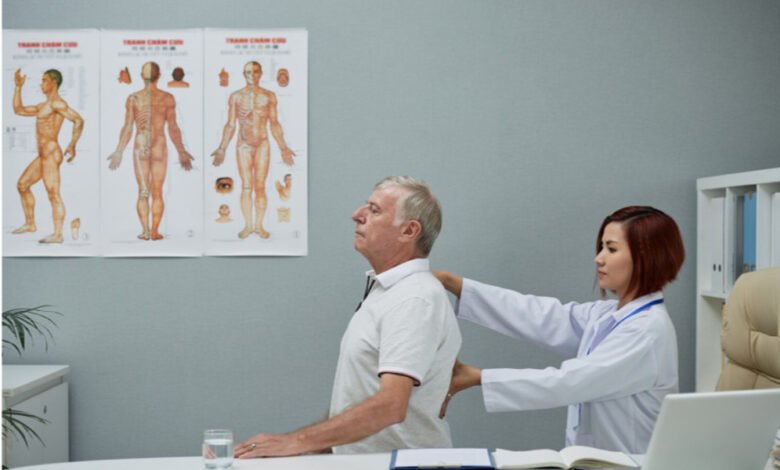
Many people assume that neck and back pain is simply part of getting older, something they just have to live with as the years go by. Because of that belief, they often ignore discomfort until it starts affecting daily activities like walking, working, or even sleeping. Dr Larry Davidson points out that this mindset can be misleading and that persistent pain should not automatically be accepted as a normal part of aging. In many cases, ongoing pain is a sign that something specific is going on in the spine or surrounding structures that may need attention. The good news is that with proper evaluation, many causes of neck and back pain can be treated effectively, helping people stay active and comfortable as they age.
Why People Commonly Normalize Neck and Back Pain
Many people grow up hearing that aches and stiffness are just part of getting older, so they start to expect neck and back pain as a normal experience. Busy lifestyles also make it easy to ignore early warning signs, especially when the pain comes and goes or does not seem severe at first. Over time, this mindset leads many to delay getting checked, even when the discomfort begins to interfere with daily life.
What Persistent Pain May Actually Be Telling You
Persistent neck and back pain often points to something more specific going on beneath the surface, rather than simple aging. It can be linked to issues like disc problems, nerve compression, inflammation, or spinal degeneration that may gradually worsen if left unaddressed. Paying attention to these signals early can help identify the real cause and open the door to more effective treatment options.
When Neck and Back Pain Becomes a Warning Sign
Neck and back pain becomes more concerning when it does not improve over time or starts getting worse instead of better. It is also a warning sign if the pain is accompanied by symptoms such as numbness, tingling, weakness, or difficulty moving normally. When these changes appear, it is important to be evaluated because they may indicate nerve involvement or a more serious underlying condition.
How Early Evaluation Can Change Outcomes
Early evaluation can make a major difference in how neck and back conditions are managed and how well a person recovers. Getting checked sooner rather than later often helps prevent small issues from turning into more serious and limiting problems.
Faster and More Accurate Diagnosis
By assessing signs and symptoms early, doctors can pinpoint the underlying cause before it gets worse. That way, picking the right treatment method becomes less of a challenge than based on guesswork or short-lived relief.
More Treatment Options Available
Early consultation often means patients have access to a wider range of non-surgical treatments. Options like physical therapy, medication, and lifestyle changes tend to work better when the condition is still in its early stages.
Reduced Risk of Long-Term Damage
Delaying evaluation can allow spinal or nerve issues to worsen over time. Early attention helps protect mobility and reduces the chances of permanent damage or chronic pain.
Better Recovery and Quality of Life
Patients who consult a doctor at an early stage usually recover quickly and return to their normal way of life sooner. They, in fact, lead to having fewer interruptions in their daily life, which is good for their overall health and independence.
Treatment Options That Go Beyond Pain Management
Treatment for neck and back pain is not just about masking discomfort; there are many approaches that address the root cause. With the right care plan, patients can often improve mobility, reduce inflammation, and regain strength over time.
Physical Therapy and Rehabilitation
Physical therapy helps strengthen the muscles that support the spine and improve flexibility. It also teaches patients better movement habits that can reduce strain and prevent future flare-ups.
Medication for Symptom Relief
It’s common for doctors to suggest pain-relieving and anti-inflammatory drugs while the body gets better physically. Typically, such drugs form only a component of a comprehensive therapy plan and are not considered as a standalone long-lasting remedy.
Minimally Invasive Procedures
In some cases, less invasive treatments can be more effective at treating the source of the pain. Such methods usually require less time for the patient to be up and about than conventional surgery, so this may be a very useful alternative for many patients.
Surgical Intervention When Necessary
Usually, surgery is considered only if other treatments fail or the nerve compression is severe. When performed correctly, it may relieve symptoms, restore limb function, and greatly improve one’s standard of living.
The Importance of Staying Active and Informed
Staying active and informed plays a big role in maintaining a healthy spine and reducing the risk of long-term discomfort. Even small daily habits can make a meaningful difference in how the back and neck feel over time.
Regular Movement and Exercise
Keeping the body moving helps maintain flexibility and keeps the spinal muscles engaged. Simple activities like walking or light stretching can reduce stiffness and support overall spine health.
Good Posture Awareness
Being mindful of posture during work, rest, and daily tasks can prevent unnecessary strain on the neck and back. Over time, better posture habits can reduce the frequency and intensity of pain episodes.
Learning About Spine Health
Understanding how the spine works helps people recognize early warning signs of potential problems. This awareness encourages quicker action when symptoms appear, rather than waiting for them to worsen.
Lifestyle Choices that Support Recovery
Healthy habits like maintaining a balanced weight and avoiding prolonged inactivity can support long-term recovery. These choices help reduce pressure on the spine and improve overall physical resilience.
Expert Perspective on Aging and Spine Health
Many people assume that aging automatically means living with constant neck or back pain, but that is not always the case. The spine undergoes natural changes over time, yet many issues that cause persistent pain can still be treated or managed effectively. Larry Davidson emphasizes that age alone should not be used as a reason to accept ongoing discomfort, especially when solutions are available to improve mobility and quality of life.
Conclusion
Persistent neck and back pain should not be dismissed as a normal part of aging, especially when it continues to affect daily life and comfort. With proper evaluation and timely care, many underlying issues can be treated to restore movement and reduce pain. Dr Larry Davidson encourages people to pay attention to their symptoms and seek help early so they can maintain a more active and comfortable life as they age.