Why Metal Roofing Installation Is a Premium Choice for Strong and Sustainable Roof Systems

The roof of a home is one of the most important structural components because it protects the entire property from weather damage, moisture infiltration, heat exposure, and environmental wear. A well-designed roofing system does far more than simply cover a building. It contributes to energy efficiency, enhances curb appeal, increases property value, and ensures long-term structural stability. In recent years, homeowners and commercial property owners alike have started paying closer attention to roofing materials that provide both durability and modern aesthetics. Among the many options available today, metal roofing has emerged as one of the most trusted and practical choices for long-term performance and visual appeal.
Traditional roofing systems often require frequent maintenance, repairs, and replacement after years of exposure to harsh environmental conditions. Materials such as asphalt shingles may deteriorate over time due to intense sunlight, heavy rain, snow accumulation, or high winds. This has encouraged many property owners to explore more reliable alternatives capable of withstanding challenging weather conditions while maintaining their appearance and functionality for decades. As a result, demand for professional metal roofing installation has increased significantly among homeowners seeking a long-lasting and energy-efficient roofing solution.
The Growing Popularity of Metal Roofing
Modern construction trends increasingly emphasize sustainability, durability, and energy efficiency. Metal roofing perfectly aligns with these priorities because it offers exceptional longevity and performance compared to many conventional roofing materials. Homeowners are no longer focusing solely on short-term affordability. Instead, they are looking for investments that provide value over several decades with minimal maintenance requirements.
Metal roofs are widely recognized for their ability to withstand severe weather conditions. Heavy rainfall, strong winds, hailstorms, and prolonged sunlight exposure can cause significant damage to traditional roofing materials over time. Metal roofing systems, however, are engineered to resist these environmental challenges while maintaining their structural integrity and appearance.
Another reason for the growing popularity of metal roofing is its versatility in design. Manufacturers now produce roofing panels in a variety of styles, colors, and finishes that complement both contemporary and traditional architecture. Homeowners can achieve sleek modern aesthetics or classic visual appeal depending on their design preferences without sacrificing durability or performance.
Energy efficiency also plays a major role in the increasing demand for metal roofs. Reflective coatings on modern metal roofing systems help reduce heat absorption, which can significantly lower indoor cooling costs during hot weather. This feature is especially valuable for homeowners seeking environmentally responsible and cost-effective solutions for their properties.
Understanding the Advantages of Metal Roofing
One of the strongest advantages of metal roofing is its impressive lifespan. While many conventional roofing materials may require replacement within twenty to thirty years, a properly maintained metal roof can last several decades longer. This longevity makes it a cost-effective investment despite the potentially higher initial installation expense.
Durability is another key benefit. Metal roofing systems are designed to resist cracking, shrinking, erosion, and moisture damage. Unlike wood materials that may rot or attract insects, metal remains structurally stable under a wide range of environmental conditions. This reliability helps homeowners avoid expensive repairs and ongoing maintenance concerns.
Fire resistance is an additional advantage that makes metal roofing particularly attractive. Many metal roofing products carry high fire-resistance ratings, offering enhanced safety and peace of mind for homeowners. This can be especially important in regions prone to dry conditions or wildfires.
Lightweight construction is another factor contributing to the popularity of metal roofing. Compared to heavy tile or concrete roofing systems, metal panels place less stress on a building’s structural framework. This can simplify installation and reduce strain on the overall structure of the property.
Environmental sustainability further enhances the appeal of metal roofing systems. Many metal roofs are manufactured from recycled materials and remain fully recyclable at the end of their lifespan. Their long-term durability also reduces waste associated with frequent roof replacements, making them a more environmentally responsible option.
Preparing for a Roofing Upgrade
Before beginning any roofing project, homeowners should conduct a detailed evaluation of their current roof condition. This assessment helps identify structural damage, water infiltration issues, insulation problems, or ventilation concerns that must be addressed before installation begins.
Budget planning is another essential step in the renovation process. Although metal roofing may involve higher upfront costs compared to some traditional materials, its long lifespan and minimal maintenance often result in lower overall ownership expenses over time. Homeowners should carefully consider long-term savings when evaluating roofing options.
Choosing the right roofing material style is equally important. Metal roofing systems are available in standing seam panels, corrugated sheets, metal shingles, and various textured finishes that replicate traditional materials such as slate or wood. Selecting a design that complements the architectural style of the property ensures a cohesive and visually appealing result.
Homeowners should also research contractors thoroughly before making a decision. Professional experience is critical because proper installation directly influences the performance, durability, and weather resistance of the roof. Skilled contractors understand how to install flashing, underlayment, fasteners, and ventilation systems correctly to maximize protection and efficiency.
A carefully planned metal roofing installation can significantly improve both the functionality and appearance of a property while providing decades of dependable protection.
The Installation Process Explained
Understanding the roofing installation process helps homeowners appreciate the technical expertise required for a successful project. The first step generally involves removing old roofing materials if necessary and inspecting the roof deck for damage or structural weaknesses. Any compromised sections must be repaired to create a solid foundation for the new roofing system.
Once the underlying structure is prepared, contractors install moisture barriers and underlayment materials designed to enhance waterproofing and insulation. These protective layers play a crucial role in preventing leaks and improving overall energy efficiency.
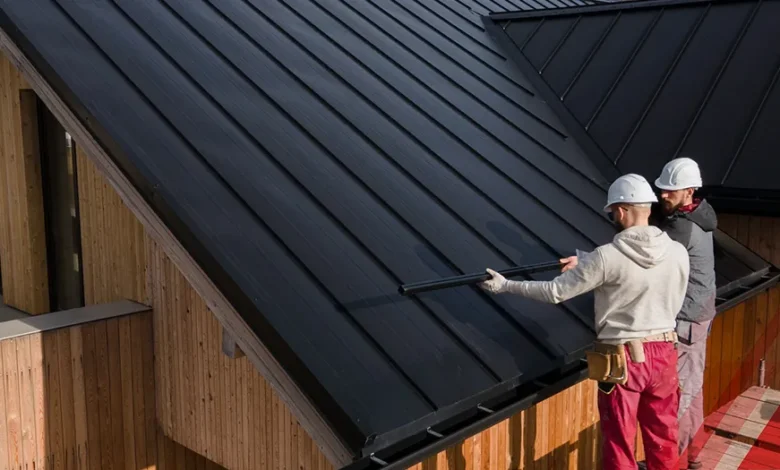
Next, metal panels or shingles are carefully measured, aligned, and secured according to manufacturer specifications. Precision is extremely important because incorrect panel placement can affect drainage, wind resistance, and visual consistency. Fasteners and seams must be installed properly to prevent moisture infiltration and maintain structural integrity.
Flashing components are then added around chimneys, vents, skylights, valleys, and roof edges to ensure comprehensive weather protection. Ventilation systems may also be incorporated to improve airflow within the attic and reduce heat buildup.
After installation is complete, contractors conduct a thorough inspection to verify that all components are securely installed and functioning correctly. A professionally executed metal roofing installation provides homeowners with long-term durability, improved energy efficiency, and enhanced curb appeal.
Energy Efficiency and Cost Savings
Energy efficiency has become a major consideration for modern homeowners as utility costs continue to rise. Metal roofing contributes to lower energy consumption by reflecting solar radiation rather than absorbing excessive heat. Reflective coatings and specialized finishes help maintain cooler indoor temperatures during warm seasons, reducing dependence on air conditioning systems.
Proper insulation combined with metal roofing can further enhance thermal performance. During colder months, effective insulation helps retain indoor heat while minimizing energy loss through the roof. This balanced thermal efficiency supports year-round comfort and reduced utility expenses.
Long-term maintenance savings also contribute to the financial advantages of metal roofing. Traditional roofing materials often require frequent repairs due to cracking, curling, or weather damage. Metal roofs generally demand far less maintenance, reducing the need for costly repairs and replacement materials over time.
Insurance companies may also offer discounts for homes equipped with durable, weather-resistant roofing systems. Because metal roofs often provide superior protection against fire and severe weather, they may reduce risk for insurers and potentially lower homeowner insurance premiums.
Maintenance and Long-Term Performance
One of the most appealing characteristics of metal roofing is its low maintenance requirements. Unlike traditional shingles that may deteriorate or lose granules over time, metal roofs retain their structural integrity and appearance with relatively minimal upkeep.
Routine inspections remain important, however, to ensure optimal performance. Homeowners should periodically check for loose fasteners, debris accumulation, clogged gutters, or damaged flashing components. Addressing minor issues promptly helps prevent larger problems from developing.
Cleaning the roof occasionally can also improve longevity and aesthetics. Removing leaves, branches, and dirt buildup prevents moisture retention and supports proper drainage. In most cases, simple cleaning methods using water and mild detergents are sufficient to maintain the roof’s appearance.
Proper ventilation is another essential aspect of long-term roof health. Adequate airflow reduces moisture buildup within attic spaces and helps regulate indoor temperatures more effectively. Professional installers understand how to design roofing systems that balance insulation and ventilation for maximum performance.
With appropriate maintenance and professional craftsmanship, a high-quality metal roofing installation can continue protecting a property for many decades without significant deterioration.
Enhancing Property Value and Curb Appeal
Exterior appearance significantly influences property value and buyer perception. A well-maintained and visually appealing roof instantly improves curb appeal while communicating quality and reliability to potential buyers.
Metal roofing systems are available in numerous styles and finishes that can dramatically enhance the architectural appearance of a home. Sleek standing seam designs create a modern aesthetic, while textured metal shingles can replicate the appearance of traditional roofing materials with added durability.
Potential buyers often appreciate the long lifespan and low maintenance requirements associated with metal roofing. Knowing that the roof may not require replacement for decades can increase buyer confidence and make a property more attractive in competitive real estate markets.
Energy-efficient features also contribute to resale value because modern buyers increasingly prioritize sustainability and lower utility costs. Homes equipped with durable and energy-efficient roofing systems often stand out as smart long-term investments.
Because of these combined benefits, many homeowners view metal roofing not only as a practical upgrade but also as a valuable investment that improves both daily living and future resale opportunities.
Common Mistakes Homeowners Should Avoid
Although metal roofing offers exceptional benefits, certain mistakes can compromise performance and longevity. One common error is hiring inexperienced contractors who lack proper training in metal roof installation techniques. Improper fastening, poor flashing installation, or inadequate ventilation can lead to leaks, structural issues, and reduced lifespan.
Choosing low-quality materials solely to reduce upfront expenses is another frequent mistake. Inferior metal products may corrode, fade, or deteriorate more quickly, leading to additional repair costs in the future. Investing in high-quality materials often delivers better long-term value and reliability.
Neglecting insulation and ventilation considerations can also reduce energy efficiency and contribute to moisture-related problems within the attic. A complete roofing system should include balanced insulation, underlayment, and airflow management to achieve optimal performance.
Some homeowners also fail to consider architectural compatibility when selecting roofing styles or colors. Choosing a design that complements the overall appearance of the property creates a more cohesive and attractive exterior.
By avoiding these common mistakes and working with qualified professionals, homeowners can maximize the performance and longevity of their roofing investment.
Future Trends in Roofing Technology
The roofing industry continues evolving as manufacturers develop advanced materials and technologies designed to improve sustainability, durability, and energy efficiency. Modern metal roofing products now feature improved protective coatings that enhance corrosion resistance and color retention for extended periods.
Solar integration is becoming increasingly popular as homeowners seek renewable energy solutions. Some metal roofing systems are specifically designed to accommodate solar panel installations more efficiently, making them attractive for environmentally conscious property owners.
Innovative insulation technologies and cool-roof coatings are also gaining attention for their ability to further reduce energy consumption and improve indoor comfort. These advancements align with growing demand for eco-friendly construction practices and sustainable home improvements.
Architectural trends continue influencing roofing aesthetics as well. Homeowners increasingly favor clean lines, bold colors, and contemporary finishes that create modern visual appeal while maintaining long-term functionality.
As technology continues advancing, metal roofing remains one of the most adaptable and forward-thinking solutions available for residential and commercial properties alike.
Final Thoughts
A strong and reliable roof is essential for protecting a property, improving energy efficiency, and enhancing overall appearance. Modern homeowners are increasingly recognizing the long-term value offered by durable roofing materials that combine performance, sustainability, and visual appeal. Metal roofing has become a preferred choice because of its exceptional lifespan, weather resistance, low maintenance requirements, and architectural versatility.
From reducing energy costs to increasing property value, the advantages of professional metal roofing installation extend far beyond basic protection. Homeowners who invest in high-quality materials and experienced contractors can enjoy decades of dependable performance while benefiting from improved comfort and curb appeal.
As construction trends continue evolving toward sustainability and efficiency, metal roofing remains a practical and future-ready solution capable of meeting the demands of modern property ownership. With proper planning, professional craftsmanship, and regular maintenance, a metal roof can provide lasting security and aesthetic value for generations to come.