Comprehensive Insights into 18-Wheeler Parking: Challenges, Strategies, and Industry Best Practices

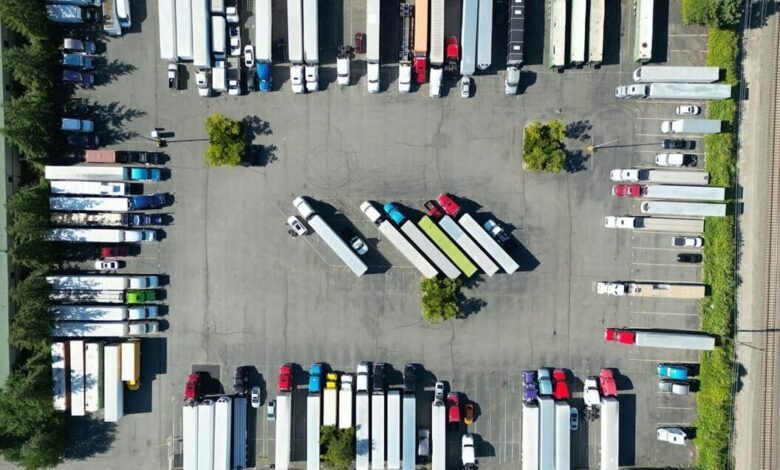
The logistics industry serves as the backbone of modern commerce, and at the center of this vast network are 18-wheelers, also known as semi-trucks or tractor-trailers, which transport goods across the nation, connecting cities and communities while ensuring the timely delivery of essential products. Operating these massive vehicles is a demanding task that requires skill, planning, and endurance, but one of the most persistent challenges drivers face is finding adequate parking, particularly when the law mandates breaks or overnight rest. Unlike standard vehicles, 18-wheelers require expansive spaces, and the scarcity of suitable parking areas makes this a significant logistical concern, with implications for driver safety, operational efficiency, and compliance with regulatory requirements. Understanding the intricacies of 18-wheeler parking involves examining the types of facilities available, legal considerations, safety measures, technological innovations, and long-term solutions for the industry.
The Importance of Adequate Parking for Truck Drivers
The need for safe and reliable 18-wheeler parking is deeply connected to the hours-of-service regulations enforced by the Federal Motor Carrier Safety Administration (FMCSA), which dictate the maximum driving periods and mandatory rest times for drivers. These regulations exist to prevent fatigue-related accidents, which remain one of the leading causes of truck-related incidents on highways. When drivers cannot find secure parking, they often resort to stopping on the side of the road, in rest areas that lack capacity, or in unauthorized zones, all of which present heightened risks. These conditions not only endanger the drivers themselves but also create hazards for other motorists and can lead to significant operational disruptions, including delivery delays and potential financial penalties. Therefore, parking solutions are a critical component of effective logistics management, influencing both safety and efficiency in transportation networks.
Types of 18-Wheeler Parking Facilities
18-wheeler parking facilities vary widely in type and scope, reflecting the diverse needs of drivers and the constraints of urban, suburban, and rural areas. Truck stops and travel centers remain among the most commonly used options, offering ample space for large vehicles, fuel stations, maintenance services, and amenities such as restrooms, showers, and dining options. These facilities are typically open around the clock, accommodating long-haul drivers who require predictable and secure parking during extended rest periods. In addition to truck stops, dedicated commercial parking lots at warehouses, distribution centers, and logistics hubs provide spaces for trucks, often restricted to authorized carriers or company vehicles. These lots combine security with proximity to cargo handling areas, making them particularly convenient for operational efficiency. Public rest areas along highways also offer designated truck parking, though the capacity of these spaces is limited, and drivers often need to arrive early to secure a spot. In some cases, drivers may consider on-street parking or private property; however, these options carry legal risks, and unauthorized parking may result in fines, towing, or other complications, emphasizing the importance of verified and approved facilities.
Challenges Unique to 18-Wheeler Parking
Parking an 18-wheeler introduces specific challenges that are not encountered with smaller vehicles. The size of these trucks, often exceeding seventy feet in length, makes maneuvering and fitting into available spaces difficult, particularly in crowded or urban environments. Their weight, especially when fully loaded, can exceed the structural capacity of certain lots, creating risks for both the vehicle and the property. Drivers must also contend with obstacles such as low-hanging branches, overhead structures, or uneven surfaces, which can cause damage or make parking impossible. Security is another critical factor, as trucks frequently carry valuable cargo, and unattended vehicles are vulnerable to theft or vandalism if parked in unmonitored or inadequately lit areas. These challenges make proper planning, awareness, and selection of suitable facilities crucial for every driver operating an 18-wheeler.
Legal considerations play an essential role in 18-wheeler parking and vary widely depending on federal, state, and local regulations. Drivers must observe posted signs, adhere to time restrictions, and respect vehicle weight limits, as violating these rules can lead to citations, impoundment, or more serious legal consequences. Some states have implemented sensor-based programs to monitor parking availability in real-time, helping drivers locate safe and legal spots while preventing unauthorized or unsafe stops. Familiarity with local rules, regulations, and enforcement practices is essential, particularly for drivers who operate across multiple jurisdictions, as laws can differ significantly between states or even counties. Compliance ensures safety and avoids disruptions in operations, making it an integral part of strategic planning for trucking professionals.
Safety Measures for 18-Wheeler Parking
Safety measures in 18-wheeler parking extend beyond legal compliance to include precautions that protect both the driver and the vehicle. Well-lit and visible areas are critical for reducing the likelihood of accidents, theft, or vandalism. Drivers should engage parking brakes, use wheel chocks, and secure the cab to prevent accidental movement, while also ensuring that cargo is properly stowed and balanced to prevent shifting or damage. Avoiding hazards such as unstable ground, steep slopes, or flood-prone areas is equally important, as these conditions can compromise safety and result in costly repairs. The combination of environmental awareness, proper equipment use, and vigilance contributes to a secure parking experience that protects both human and commercial assets.
Strategic Planning for Drivers
Strategic planning is another vital component of successful 18-wheeler parking. Drivers benefit from pre-determined routes that include known truck stops, rest areas, and commercial lots, particularly when anticipating required rest periods or overnight stays. Technological tools, including navigation systems, trucking-specific applications, and fleet management software, offer real-time information on parking availability, location restrictions, and operational considerations. Advanced systems allow drivers to reserve parking spaces in advance, minimizing uncertainty and reducing delays caused by arriving at full or unavailable facilities. Planning also involves timing arrivals strategically to secure spots in high-demand locations, preventing scenarios in which drivers are forced to make risky or unauthorized stops.
Technological Innovations in Truck Parking
Technological advancements continue to reshape the landscape of 18-wheeler parking. Real-time availability applications provide live updates on parking occupancy, reducing the time drivers spend searching for open spaces and improving overall efficiency. Automated and smart parking systems, which use sensors and guidance mechanisms, allow lots to accommodate more vehicles safely and optimize traffic flow within facilities. Fleet analytics enable companies to manage parking strategically, adjusting routes and schedules to align with available spaces while ensuring drivers comply with rest requirements. The integration of technology into parking operations enhances convenience, safety, and operational efficiency, benefitting both drivers and fleet operators alike.
Economic and Operational Implications
The economic and operational implications of parking availability cannot be overstated. Congestion or scarcity in parking facilities can lead to delayed deliveries, increased fuel consumption, and elevated stress levels for drivers, ultimately affecting the reliability of supply chains. Investments in well-designed parking lots, truck stops, and logistics hubs enhance efficiency and reduce operational risk by providing drivers with predictable and secure locations to rest. For fleet managers, access to safe parking is an essential component of workforce planning, ensuring that drivers remain compliant with hours-of-service regulations while minimizing delays and operational disruptions.
Environmental and community considerations are also increasingly relevant in the development of 18-wheeler parking infrastructure. Large, impervious parking surfaces contribute to water runoff and localized heat buildup, while excessive truck presence in residential or urban areas can create noise and congestion issues. Modern parking lot designs are increasingly incorporating green initiatives, such as permeable surfaces, landscaped islands, shaded areas, and electric vehicle charging stations for trucks, reducing the environmental footprint while improving usability and comfort. Thoughtful planning ensures that parking solutions support both operational needs and community well-being.
Best Practices for Drivers
Best practices for drivers in navigating 18-wheeler parking include proactive planning, consistent use of technological tools, strict adherence to regulations, prioritization of safety, and situational awareness. Drivers should identify suitable parking locations before beginning their journey, monitor availability via applications or fleet systems, and select well-lit, secure areas to rest. Proper engagement of vehicle parking systems, attention to cargo safety, and awareness of surrounding hazards are equally essential to minimize risk. By following these strategies, drivers can manage the logistical challenges of parking without compromising safety or compliance, contributing to smoother operations and reduced stress.
Future Trends in 18-Wheeler Parking
Looking toward the future, 18-wheeler parking is poised to evolve alongside technological, transportation, and environmental trends. Automated parking systems capable of stacking vehicles efficiently, smart fleet integration to optimize routes and parking availability, and sustainability-driven designs incorporating solar energy, green spaces, and electric vehicle charging will all influence how parking is managed in the coming decades. Additionally, trends such as shared mobility and adaptive urban planning may reduce reliance on traditional parking facilities, prompting innovative solutions to accommodate evolving industry needs. These developments reflect the dynamic nature of truck parking and the necessity of forward-looking strategies to meet growing demand safely and efficiently.
Conclusion
18-wheeler parking represents a complex intersection of logistical planning, legal compliance, safety management, operational efficiency, and environmental consideration. The challenges drivers face, including size constraints, limited availability, and security concerns, require careful planning and strategic use of technology, alongside adherence to legal and regulatory frameworks. By investing in secure and accessible parking infrastructure, leveraging technological innovations, and following best practices, drivers and fleet managers can mitigate risks, optimize operations, and ensure safety on the road. Ultimately, effective 18-wheeler parking is a fundamental component of a thriving transportation industry, supporting commerce, safety, and community well-being.