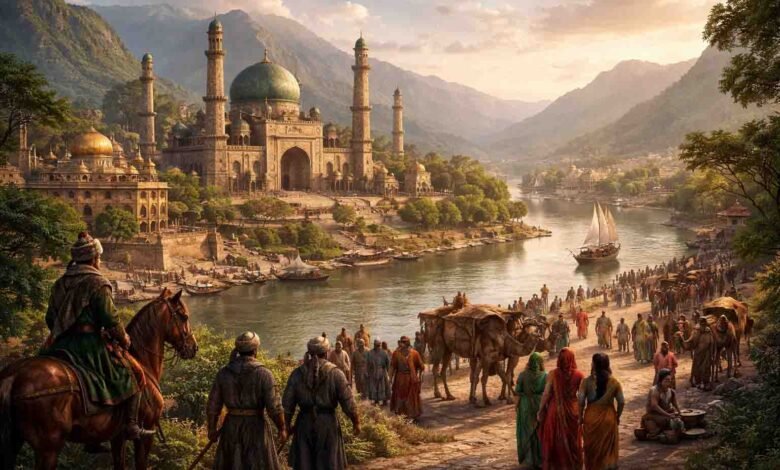
Have you ever heard the word Turaska and wondered what it means? It may sound simple, but this old word carries a very big story. It connects India and Central Asia through many centuries of history. It speaks about war, travel, culture, and change.
The word Turaska comes from ancient Sanskrit texts. At first, it was used to describe foreign tribes who came from the northwest of India. Over time, it became linked with Turkic and Central Asian rulers who entered India during the medieval period.
But Turaska is not just about invasion or conflict. It is also about cultural exchange. It shows how people from different lands met each other, sometimes fought, and later shared ideas, language, art, and beliefs.
In this article, we will clearly explain the Turaska meaning, its origin, its role in old Indian books, and how it became part of Indian history. We will move step by step so everything feels easy and simple to understand.
What Does Turaska Mean?
Turaska is an old Sanskrit word. In early texts, it was used to describe foreign tribes who came from areas beyond India’s traditional borders. These groups were often from Central Asia.
In many cases, Turaska was used for Turkic peoples. These were groups known for strong horses and fast armies. Over time, the word Turaska became closely linked to these Turkic rulers who entered India during the medieval period.
It is very important to understand that Turaska was not the name of one single tribe. It was more like a label. Ancient writers used it to describe people who were seen as different in culture, language, or religion.
As history moved forward, the meaning of Turaska changed. It slowly shifted from meaning “outsider” to describing powerful rulers who became part of Indian political life. This change is very important in understanding its full story.
Where Did the Word Turaska Come From?
The word Turaska comes from Sanskrit. Its original form is written as “Turaṣka.” In ancient times, Sanskrit scholars used such words to describe groups of people based on their origin.
The root word “Tura” in Sanskrit means speed or quick movement. Many historians believe this may be linked to fast horse riders from Central Asia. These tribes were known for strong cavalry and quick attacks.
The ending part “-ṣka” was often used to show a group or tribe. So when you combine these parts, Turaska may have meant something like “a fast-moving tribe.” This fits well with how Central Asian warriors were known.
At first, the word had a broad meaning. It did not point to one exact group. But as Turkic tribes became more active in Indian history, Turaska started to be used more specifically for them.
feature of Turaska
1. Ancient Sanskrit Origin
One key feature of Turaska is that it comes from old Sanskrit language. The word was written as “Turaṣka” in ancient texts. This shows that Turaska is not a modern idea. It has very deep historical roots in early Indian writings.
2. Used for Foreign Tribes
Turaska was mainly used to describe foreign groups. These groups came from the northwest of India, especially Central Asia. The word was not about one single tribe. It was a broad label for people who were seen as culturally different.
3. Linked to Turkic Peoples
Over time, Turaska became strongly linked to Turkic tribes. These were Central Asian warriors known for fast horses and strong armies. As they entered India, the word Turaska was used more specifically for them.
4. Connection to War and Cavalry
Another feature of Turaska is its connection to speed and warfare. The root word “Tura” means fast or swift. Many historians believe this describes the fast cavalry of Central Asian tribes who were skilled horse riders.
5. Mentioned in Ancient Indian Texts
Turaska appears in important Indian books like the Mahabharata and some Puranas. In these texts, Turaska groups were often described as northern warrior tribes. This shows early contact between India and Central Asia.
6. Part of Medieval Political Rule
Turaska later became linked to real rulers. During the Delhi Sultanate and Bahmani Sultanate, Turkic rulers shaped Indian politics. At this stage, Turaska was no longer just a label. It became connected to power and government.
7. Strong Cultural Influence
Turaska influence can be seen in architecture, language, and art. Domes and arches became popular in buildings. Persian became an important court language. Urdu later developed from cultural blending during this time.
8. Role in Cultural Blending
Turaska history is not only about war. It also shows cultural mixing. Sufi saints, trade links, and shared traditions helped bring different communities together. This created a blended culture across regions.
9. Changing Meaning Over Time
The meaning of Turaska changed across centuries. At first, it meant outsider. Later, it meant ruler. Finally, it became more of a historical term studied by scholars. This shift is an important feature of the word.
10. Important for Modern History Study
Today, Turaska is studied by historians to understand identity and cultural contact. It helps explain how societies label outsiders and how those outsiders later become part of the culture.
Turaska in Ancient Indian Books
The word Turaska appears in very old Indian texts. One of the most famous texts where it is mentioned is the Mahabharata. In this epic, Turaska is listed among northern tribes known for their warrior skills.
These tribes were sometimes called “mleccha.” This word was used for people who followed different customs from Vedic society. It did not always mean bad. It mostly meant culturally different.
The Puranas also mention Turaska. In some stories, these tribes are described as appearing during the Kali Yuga, a period of social change and decline in Hindu belief. This shows how deeply the word was connected to ideas about outsiders.
Modern scholars believe these mentions reflect real historical contact. Even if the tone in these books is sometimes mythological, they show that ancient India knew about Central Asian tribes long before medieval invasions began.
Early Contact Between India and Central Asia
Long before wars happened, India and Central Asia were already connected. Trade routes linked the two regions through mountain passes in today’s Afghanistan and Pakistan. These routes were part of what we now call the Silk Road.
Merchants carried horses, spices, cloth, and precious stones between these lands. This trade created early cultural contact. People shared ideas, goods, and sometimes even family ties.
Central Asian tribes were known for horse breeding. Indian rulers valued strong horses for their armies. So trade between these regions was very important and practical.
This early contact helps us understand something important. The story of Turaska did not begin with invasion. It began with travel, trade, and gradual interaction between neighbors.
Turkic Tribes and Their Move Toward India
The Turkic tribes originally lived in the wide grasslands of Central Asia. Their lifestyle was often nomadic. They moved with their animals and depended heavily on horses.
These tribes became skilled fighters. Their fast cavalry made them powerful in battle. Over time, political struggles in Central Asia pushed some of these groups to move south and west.
Many Turkic groups entered Afghanistan first. From there, some continued into the Indian subcontinent. As their presence grew, Indian writers began using the word Turaska more clearly for these Turkic peoples.
This movement was not sudden. It happened over many years. Slowly, Turaska became a word closely linked with these new political and military powers entering India.
Mahmud of Ghazni and Early Wars
One of the earliest major Turkic leaders to enter India was Mahmud of Ghazni. In the 11th century, he led many raids into northern India. His campaigns focused on wealthy cities and temples.
These attacks caused political instability in several regions. Some kingdoms became weaker. At the same time, Mahmud’s rule brought Persian scholars and administrators into the region.
In many Indian records, such invading groups were described using the word Turaska. This shows how the term was now clearly connected to Turkic rulers and armies.
Even though these early encounters were violent, they also began long-term change. New ideas, new systems of rule, and new cultural influences started entering Indian society during this period.
FAQs
Where is the word Turaska found?
The word Turaska appears in old Indian books like the Mahabharata and some Puranas. These texts mention Turaska as northern tribes or foreign groups who lived beyond traditional Indian borders.
Was Turaska one single tribe?
No, Turaska was not one specific tribe. It was a broad label. Ancient writers used it to describe different foreign groups, mostly from Central Asia, who were seen as culturally different.
Who were the Turaska people in history?
In medieval history, Turaska mainly referred to Turkic rulers and warriors who came from Central Asia. Some of them later ruled parts of India, especially during the Delhi Sultanate and Bahmani Sultanate.
Did Turaska rulers change Indian politics?
Yes, they did. Turaska rulers introduced new systems of government, strong armies, and organized tax systems. They helped build centralized rule in many parts of medieval India.
How did Turaska influence Indian culture?
Turaska influence can be seen in architecture, language, and art. Domes and arches became common in buildings. Persian language became important in courts. Urdu later developed from cultural blending.
People Also Read:
Wa69utp Revealed: From Number Plate to Online Trend
What Is Wattip? A Easy Guide to Smart Power and Smarter Living
What Is Adswynk com? An Easy Guide to Smart Link Monetizing in 2026