The Essential Guide to Sustainable Property Clearing and Vegetation Management

Introduction to Modern Land Improvement Practices
Managing land effectively is an essential part of property development, agriculture, and infrastructure planning. Over time, unused or poorly maintained land becomes overgrown with dense vegetation, brush, and unwanted trees, making it difficult to use safely and efficiently. Sustainable land clearing methods have become increasingly important as people look for ways to balance development needs with environmental responsibility. One of the most efficient modern solutions in this field is forestry mulching services, which provide a fast, eco-friendly, and cost-effective method for clearing vegetation while improving soil health.
Unlike traditional clearing methods that rely on burning or hauling debris away, modern approaches focus on minimizing environmental damage and promoting long-term land productivity. This shift has made sustainable clearing practices a key part of responsible land management.
Importance of Sustainable Land Clearing
Sustainable land clearing is essential for maintaining ecological balance while preparing land for development or agricultural use. When vegetation is removed without proper planning, it can lead to soil erosion, habitat destruction, and long-term environmental damage. Responsible clearing methods ensure that land remains productive and stable after the process is complete.
Forestry mulching services play a major role in sustainable clearing because they eliminate the need for multiple destructive steps. Instead of removing vegetation and transporting it elsewhere, the material is processed directly on-site and returned to the soil as natural mulch. This helps preserve soil structure and supports natural regeneration.
Understanding Modern Vegetation Management Techniques
Vegetation management has evolved significantly over time. Traditional methods often involved bulldozing, burning, or mechanical removal followed by disposal. While effective in clearing land quickly, these methods often caused soil compaction, erosion, and unnecessary waste.
Modern techniques focus on efficiency and environmental protection. Forestry mulching services use specialized machinery to cut and grind trees, brush, and vegetation into fine mulch. This process clears land in a single step while improving soil quality and reducing waste.
This method is widely used in construction, agriculture, fire prevention, and land restoration projects where both speed and sustainability are important.
How Forestry Mulching Works in Practice
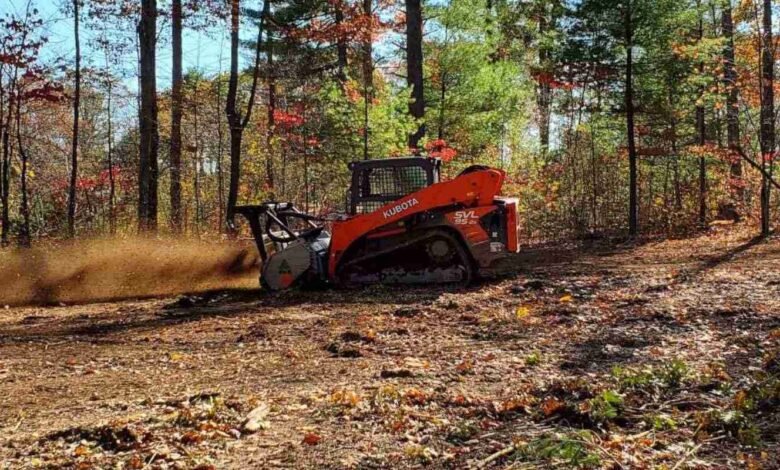
Forestry mulching equipment is designed to handle dense vegetation efficiently. Machines are fitted with powerful rotating drums or cutting heads that shred trees, brush, and undergrowth into small pieces.
As the machine moves across the land, it clears vegetation and immediately converts it into mulch. This mulch is evenly spread across the surface, creating a protective layer that helps retain moisture and prevent soil erosion.
Professional forestry mulching services rely on this advanced technology to complete projects quickly while maintaining minimal disturbance to the surrounding environment. The result is a clean, usable landscape that is naturally protected and improved at the same time.
Environmental Benefits of Modern Clearing Methods
One of the most important advantages of modern land clearing is its reduced environmental impact. Traditional clearing methods often generate large amounts of waste, require transportation, and disrupt ecosystems. In contrast, sustainable methods are designed to work with nature rather than against it.
Forestry mulching services help reduce carbon emissions by eliminating the need for hauling debris or burning vegetation. The mulch left behind improves soil fertility, reduces erosion, and supports the natural regrowth of vegetation.
This approach also helps preserve wildlife habitats by minimizing large-scale disruption, making it a more responsible choice for long-term land management.
Applications in Construction and Development Projects
Land preparation is a critical step in construction and development projects. Before any building or infrastructure work can begin, the land must be cleared and made accessible.
Forestry mulching services are widely used in this stage because they provide a fast and efficient way to prepare large areas without requiring multiple machines or cleanup steps. This reduces project timelines and overall costs.
The method is also useful for creating access roads, clearing utility corridors, and preparing residential or commercial development sites where traditional clearing methods would be too slow or disruptive.
Agricultural and Rural Land Benefits
In agricultural settings, land productivity depends heavily on proper vegetation control. Overgrown brush and unmanaged vegetation can reduce usable farmland and interfere with crop production.
Forestry mulching services help farmers reclaim unused land by clearing dense vegetation and improving soil conditions naturally. The mulch produced during the process acts as a natural soil enhancer, helping retain moisture and improve fertility.
This method is also useful for maintaining fence lines, pasture areas, and irrigation paths, making land easier to manage and more productive over time.
Fire Prevention and Safety Advantages
In areas prone to wildfires, vegetation management is a critical safety measure. Dense brush and dry vegetation can act as fuel, increasing the risk of fire spread.
Forestry mulching services are often used to reduce fire hazards by clearing excessive vegetation and creating defensible spaces. By breaking down brush into mulch, the risk of rapid fire spread is significantly reduced.
This makes the method an important part of fire prevention strategies in both rural and suburban environments.
Cost Efficiency and Operational Benefits
One of the biggest advantages of modern clearing methods is cost efficiency. Traditional land clearing requires multiple steps such as cutting, hauling, and disposal, all of which increase labor and equipment costs.
Forestry mulching services simplify this process by combining all steps into a single operation. This reduces fuel usage, labor requirements, and transportation costs, making it a more affordable solution for property owners and developers.
Faster project completion also means reduced downtime and quicker access to usable land, which is especially important in commercial and agricultural projects.
Challenges in Vegetation Management Projects
Despite its many advantages, land clearing can still present challenges. Dense vegetation, uneven terrain, and limited access areas can make projects more complex and time-consuming.
Weather conditions such as heavy rain or extreme dryness can also affect project efficiency and soil stability. Proper planning is essential to ensure safe and effective operations.
Professional forestry mulching services are equipped with the experience and machinery needed to handle these challenges efficiently, ensuring consistent results across different environments.
Equipment Used in Modern Clearing Operations
Modern vegetation management relies on advanced machinery designed to handle heavy workloads. Forestry mulchers are equipped with rotating cutting systems that can grind trees, brush, and thick vegetation into fine mulch in a single pass.
These machines are often mounted on skid steers, excavators, or specialized tracked vehicles that allow them to operate on uneven terrain.
Forestry mulching services depend on this equipment to deliver fast, reliable, and environmentally responsible results across a wide range of projects.
Land Restoration and Long-Term Benefits
One of the key advantages of mulching-based clearing is natural land restoration. Unlike traditional methods that leave bare soil exposed, mulching creates a protective layer that helps stabilize the ground.
This mulch layer improves moisture retention, reduces erosion, and encourages natural regrowth of beneficial vegetation. Over time, the land becomes healthier and more stable without requiring additional treatment.
Forestry mulching services contribute to long-term land improvement by supporting natural ecological processes while preparing land for future use.
Long-Term Value of Sustainable Land Management
Sustainable land management provides long-term benefits that go beyond immediate clearing needs. It helps maintain ecological balance, improves soil health, and ensures land remains usable for future generations.
Forestry mulching services offer a practical solution that aligns development goals with environmental responsibility. By reducing waste, improving soil conditions, and minimizing disturbance, this method supports both economic and ecological sustainability.
Conclusion
Sustainable land clearing is essential for modern development, agriculture, and property management. As environmental awareness increases, efficient and eco-friendly solutions are becoming more important than ever.
Forestry mulching services provide a powerful and sustainable method for clearing vegetation while improving soil health and reducing environmental impact. By combining efficiency, cost savings, and ecological benefits, this approach has become one of the most valuable tools in modern land management.
With proper planning and execution, sustainable clearing ensures that land remains productive, safe, and environmentally balanced for long-term use.